- Today
- Holidays
- Birthdays
- Reminders
- Cities
- Atlanta
- Austin
- Baltimore
- Berwyn
- Beverly Hills
- Birmingham
- Boston
- Brooklyn
- Buffalo
- Charlotte
- Chicago
- Cincinnati
- Cleveland
- Columbus
- Dallas
- Denver
- Detroit
- Fort Worth
- Houston
- Indianapolis
- Knoxville
- Las Vegas
- Los Angeles
- Louisville
- Madison
- Memphis
- Miami
- Milwaukee
- Minneapolis
- Nashville
- New Orleans
- New York
- Omaha
- Orlando
- Philadelphia
- Phoenix
- Pittsburgh
- Portland
- Raleigh
- Richmond
- Rutherford
- Sacramento
- Salt Lake City
- San Antonio
- San Diego
- San Francisco
- San Jose
- Seattle
- Tampa
- Tucson
- Washington
New York Proposes 3D Printer Surveillance and Censorship Mandate
The state's 2026-2027 budget seeks to require print-blocking algorithms and in-person sales for all 3D printers and CNC machines, raising concerns over innovation, privacy, and technical feasibility.
Apr. 17, 2026 at 12:05pm
Got story updates? Submit your updates here. ›
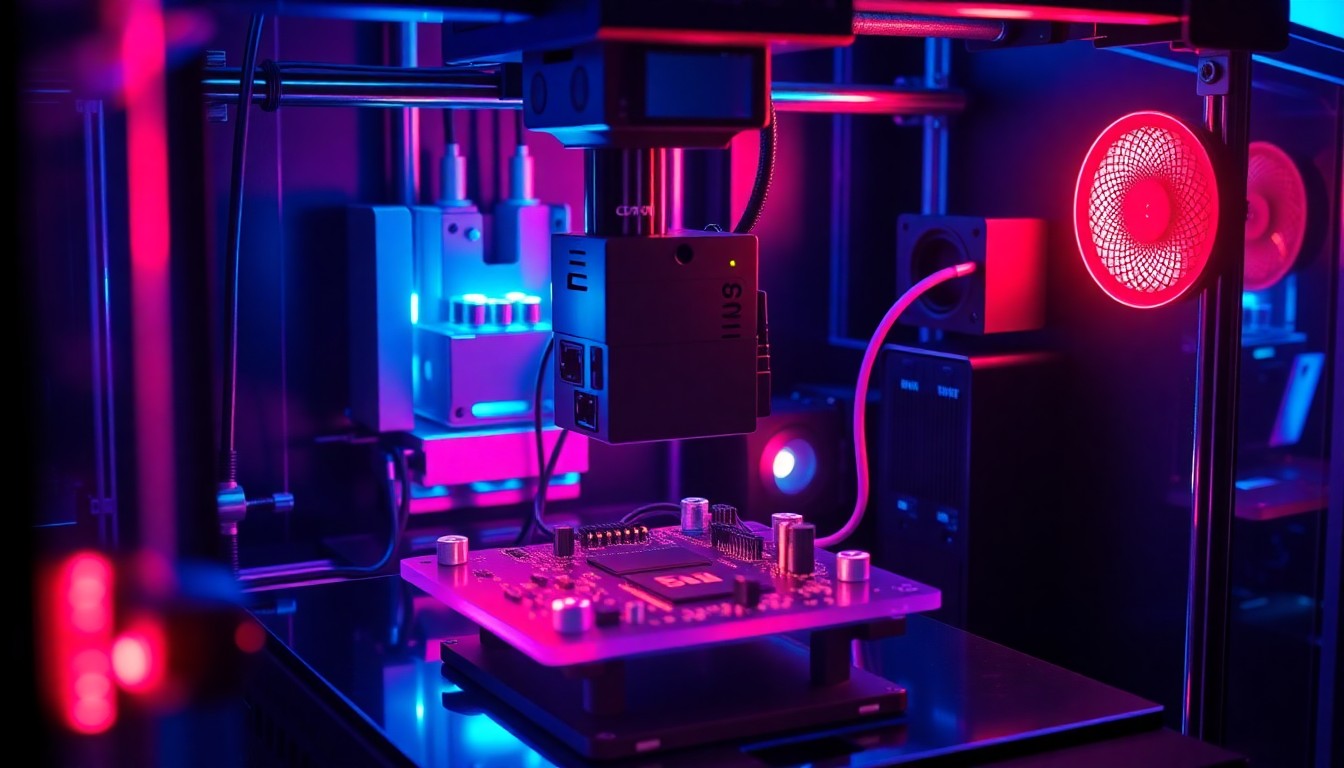 As New York seeks to impose sweeping restrictions on 3D printing technology, the complex inner workings of these digital fabrication tools are thrust into the spotlight.NYC Today
New York's proposed 2026-2027 budget seeks to mandate print-blocking algorithms on all 3D printers and CNC machines sold in the state, requiring face-to-face sales and enabling felony charges for possessing or sharing certain design files. This policy aims to curb 3D-printed firearms, but critics argue it fundamentally misunderstands both the nature of digital fabrication and the limits of algorithmic enforcement.
Why it matters
The proposed legislation raises concerns over privacy, innovation, and technical feasibility. Print-blocking relies on pattern matching against a state-maintained blacklist, which can be trivially defeated by file obfuscation. Meanwhile, legitimate users face surveillance, latency-inducing local analysis, and a chilling effect on innovation, while bad actors can simply build their own printers or route around restrictions.
The details
The core assumption—that a local algorithm can reliably detect 'firearm-like' geometry in a print job—collides with computational reality. Firearms are defined by mechanical interaction, not static shape, and current ML models cannot reliably infer intent from geometry alone without massive false positive rates. Real-time slicing and threat assessment also add significant delays to the print pipeline, breaking tight-tolerance workflows. The security model is further flawed, as trusting client-side scanning assumes the printer's firmware is immutable, creating risks of rootkit exploits and supply chain attacks.
- The proposed legislation is part of New York's 2026-2027 budget.
- The vote on the budget, including the 3D printer mandate, is looming.
The players
New York State Government
The state government of New York, which has proposed the 3D printer surveillance and censorship mandate as part of its 2026-2027 budget.
Electronic Frontier Foundation (EFF)
A digital rights organization that has conducted a technical analysis of the proposed print-blocking algorithms, finding they have high false positive rates and are technically infeasible.
Ultimaker
A 3D printer manufacturer whose open firmware team conducted pilot tests of the proposed print-blocking algorithms, finding they triggered on 17% of non-weapon prints due to superficial resemblance to firearm components.
What they’re saying
“You can't real-time scan G-code for 'bad intent' without breaking lookahead buffers. It's like trying to DRM-check every G1 command mid-arc—you'll either slow the machine to a crawl or drop segments.”
— Anonymous, Senior Firmware Architect, major CNC vendor
“We had to abandon a low-volume production run of custom hearing aid shells because our printer's beta blocker flagged the vent geometry as 'potentially dangerous.' We lost three weeks rewriting the design around false positives—time we could've spent on actual risk mitigation.”
— Verified via LinkedIn, Senior Director of Manufacturing, Class II Medical Device OEM
What’s next
The judge in the case will decide on Tuesday whether or not to allow the proposed 3D printer surveillance and censorship mandate to be included in New York's 2026-2027 budget.
The takeaway
This legislation is not about stopping ghost guns—it's about imposing DRM-like controls on general-purpose manufacturing tools under the guise of public safety. The technical flaws and workflow impacts demonstrate that this approach is fundamentally unworkable and will only serve to stifle innovation while doing nothing to address the actual threat of illicit firearm production.