- Today
- Holidays
- Birthdays
- Reminders
- Cities
- Atlanta
- Austin
- Baltimore
- Berwyn
- Beverly Hills
- Birmingham
- Boston
- Brooklyn
- Buffalo
- Charlotte
- Chicago
- Cincinnati
- Cleveland
- Columbus
- Dallas
- Denver
- Detroit
- Fort Worth
- Houston
- Indianapolis
- Knoxville
- Las Vegas
- Los Angeles
- Louisville
- Madison
- Memphis
- Miami
- Milwaukee
- Minneapolis
- Nashville
- New Orleans
- New York
- Omaha
- Orlando
- Philadelphia
- Phoenix
- Pittsburgh
- Portland
- Raleigh
- Richmond
- Rutherford
- Sacramento
- Salt Lake City
- San Antonio
- San Diego
- San Francisco
- San Jose
- Seattle
- Tampa
- Tucson
- Washington
New York City to Open $30M Government-Run Grocery Store
Mayor Mamdani's plan to launch city-owned supermarket sparks debate over role of government in food retail
Apr. 17, 2026 at 8:34pm
Got story updates? Submit your updates here. ›
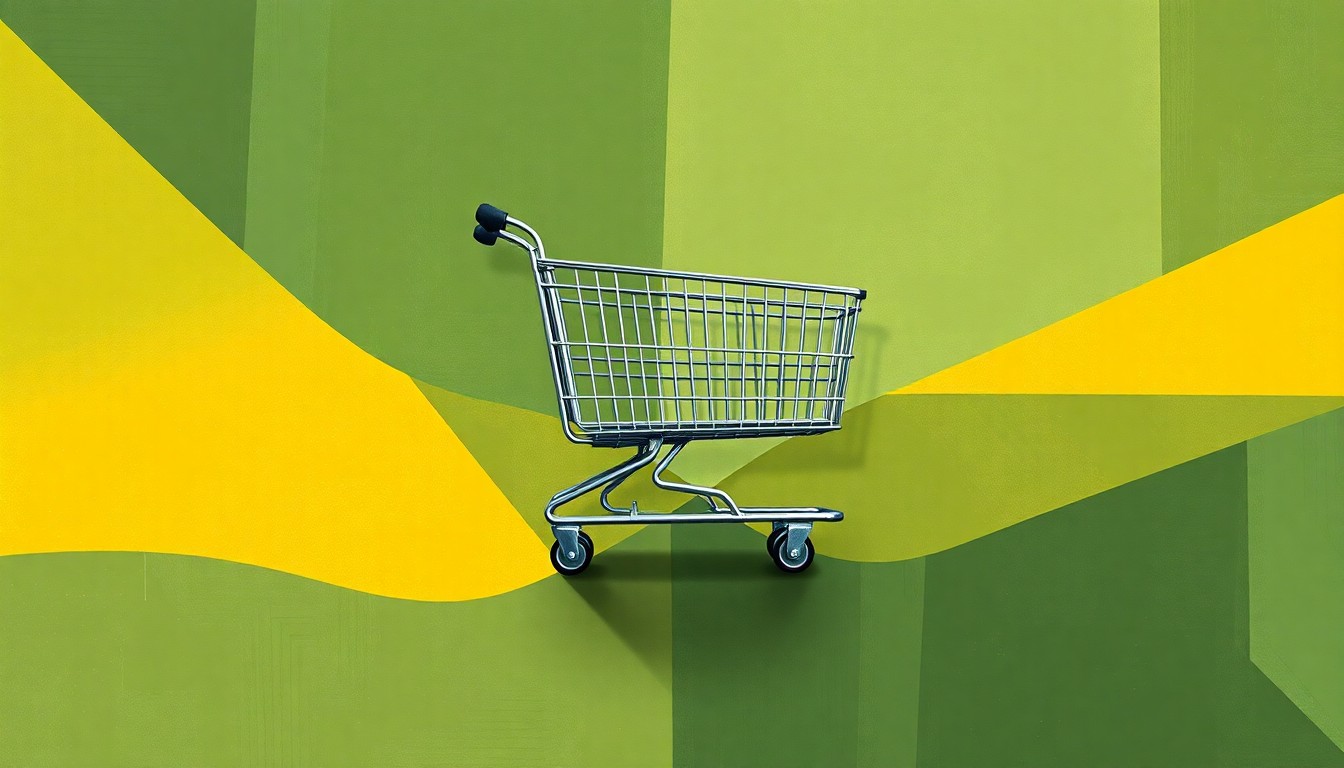 The mayor's plan to open government-run grocery stores has sparked a debate over the role of public and private enterprise in the food industry.NYC Today
New York City Mayor Zohran Mamdani has announced a $30 million plan to open the city's first government-run grocery store, sparking a debate over the role of the public sector in food retail. The mayor says the store will offer lower prices on staple goods, but critics argue it will undercut private businesses and amount to government overreach.
Why it matters
The plan highlights the ongoing tensions between affordability, government intervention, and the free market when it comes to food access in urban areas. Supporters see it as a way to provide low-income residents with more affordable options, while opponents fear it will hurt small, independent grocers already operating on thin margins.
The details
Mayor Mamdani is allocating $70 million in capital funds to finance the government-run supermarket, which is slated to open in 2029. The mayor claims the store will offer lower prices on basic food items like bread, flour, and milk. However, critics argue that the high upfront costs and government subsidies will give the city-owned store an unfair advantage over private businesses, potentially driving some smaller grocers out of the market.
- Mayor Mamdani announced the $30 million plan for the city-run grocery store in April 2026.
- The government-owned supermarket is scheduled to open in 2029.
The players
Mayor Zohran Mamdani
The mayor of New York City who is spearheading the plan to open a $30 million government-run grocery store.
Bill Isler
A resident of Floral Park who argues that the government-run grocery store will put smaller food stores out of business.
John Avelli
A Brooklyn resident who believes the city-owned grocery store is already doomed to fail.
Mark Seitelman
A Manhattan resident who sees the mayor's plan as an example of government waste and predicts it will hurt private supermarkets and bodegas.
Gerald DeAngelus
A resident of Latham who questions whether the mayor's true motive is to help the poor or benefit other interests.
What they’re saying
“All this will succeed in doing is putting smaller food stores, which don't have the advantage of free rent and taxes, out of business. I guess Mamdani can get advice from government food managers from Venezuela and Cuba.”
— Bill Isler, Resident
“A $30 million city-run grocery store opening up in 2029? Why bother, it's already a failure.”
— John Avelli, Resident
“Our private food-distribution system has served us well. Compare our existing system to the Soviet Union — where government store shelves were empty, and there were long lines once food arrived.”
— Mark Seitelman, Resident
“If low prices in Mamdani's New York City grocery store will only apply to staples like bread, flour or milk, why can't Congress pass a law restricting SNAP purchases to similar food classes?”
— Nick O'Dell, Resident
“Never in my lifetime would I have thought I would see my city being run by a Marxist mayor. Zohran Mamdani is doing just that and he's getting away with it. It really makes me sick to my stomach.”
— Dick Mills, Resident
What’s next
The city council is expected to vote on the $30 million funding proposal for the government-run grocery store in the coming months.
The takeaway
Mayor Mamdani's plan to open a city-owned supermarket has sparked a fierce debate over the role of government in the food retail industry. Supporters see it as a way to improve affordability and access, while critics argue it amounts to government overreach that will undermine private businesses.
New York top stories



New York events
Apr. 18, 2026
Hamilton
Apr. 18, 2026
Candy Crafting at Cricket's Candy Creations
Apr. 18, 2026
The Gazillion Bubble Show