- Today
- Holidays
- Birthdays
- Reminders
- Cities
- Atlanta
- Austin
- Baltimore
- Berwyn
- Beverly Hills
- Birmingham
- Boston
- Brooklyn
- Buffalo
- Charlotte
- Chicago
- Cincinnati
- Cleveland
- Columbus
- Dallas
- Denver
- Detroit
- Fort Worth
- Houston
- Indianapolis
- Knoxville
- Las Vegas
- Los Angeles
- Louisville
- Madison
- Memphis
- Miami
- Milwaukee
- Minneapolis
- Nashville
- New Orleans
- New York
- Omaha
- Orlando
- Philadelphia
- Phoenix
- Pittsburgh
- Portland
- Raleigh
- Richmond
- Rutherford
- Sacramento
- Salt Lake City
- San Antonio
- San Diego
- San Francisco
- San Jose
- Seattle
- Tampa
- Tucson
- Washington
Mount Sinai Unveils Key Hallmarks of Liver Cancer
New review provides roadmap for understanding and treating one of the deadliest cancers worldwide
Apr. 17, 2026 at 3:48am
Got story updates? Submit your updates here. ›
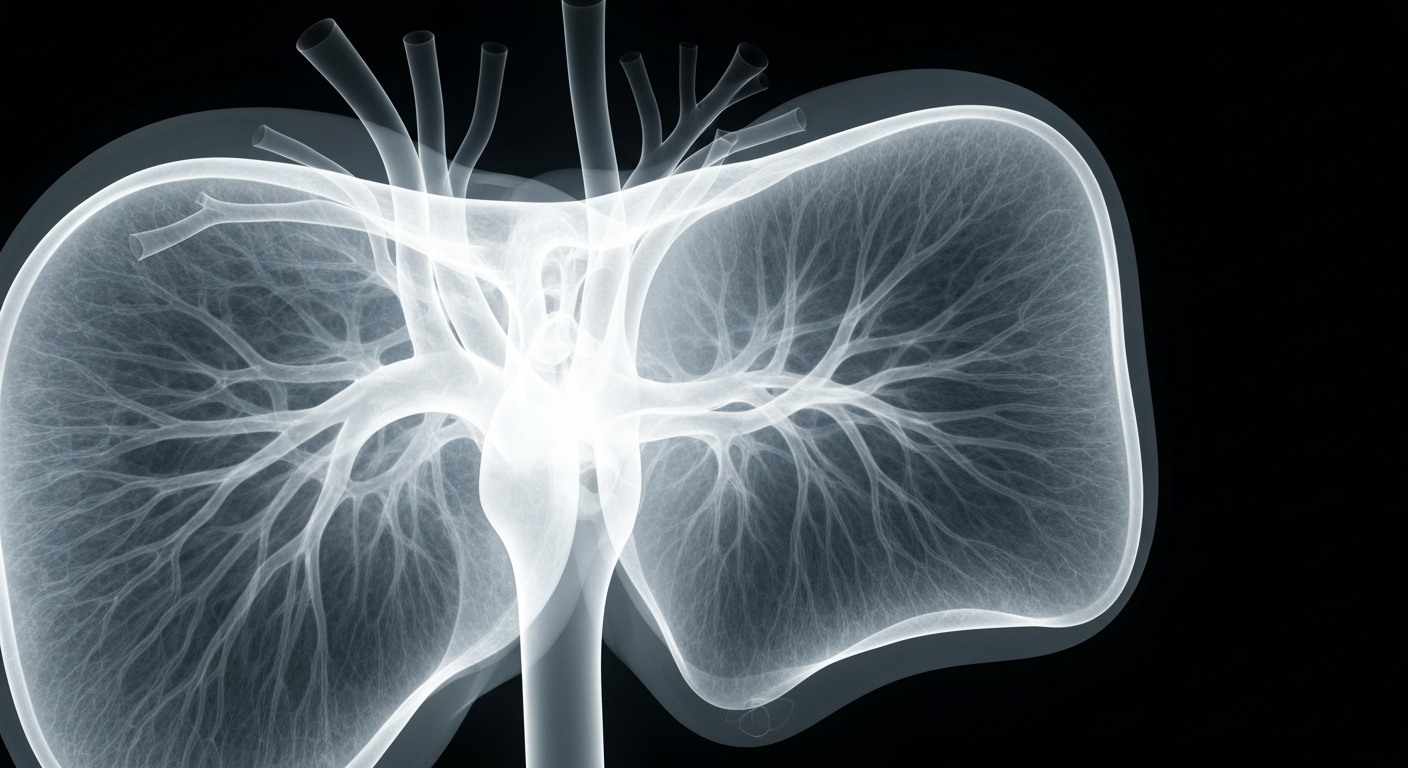 A detailed X-ray view of the complex internal anatomy of the human liver, offering a glimpse into the biological mechanisms that drive one of the deadliest forms of cancer.NYC Today
A new review from the Icahn School of Medicine at Mount Sinai and the Hospital Clínic de Barcelona provides one of the clearest roadmaps to date for understanding and treating liver cancer, one of the deadliest cancers worldwide. The study, published in Cell, applies the "Hallmarks of Cancer" framework to liver tumors, linking the biology of the disease to treatment strategies, including immunotherapy and precision medicine approaches.
Why it matters
Primary liver cancer, which includes hepatocellular carcinoma (HCC) and intrahepatic cholangiocarcinoma (iCCA), is the third-leading cause of cancer-related death globally, with approximately 830,000 deaths each year and nearly 1 million new cases annually. Despite recent advances, many patients are diagnosed at advanced stages and face limited treatment options. This review provides a critical framework to guide clinicians in matching patients with the most effective therapies and to accelerate the development of new, more personalized treatments.
The details
The review highlights key biological processes (known as "hallmarks") that enable liver tumors to grow and spread. In HCC, the most common form of liver cancer, tumors are driven by processes such as sustained growth signaling, new blood vessel formation, and immune evasion. In contrast, iCCA, a biologically distinct cancer, often shows altered metabolism and is far more likely to harbor targetable genetic alterations. Importantly, the researchers note that approximately 45 percent of iCCA tumors contain genetic alterations that can be targeted with existing or emerging therapies, highlighting the growing role of precision oncology in liver cancer care.
- The study was published on April 16, 2026.
The players
Josep M. Llovet
Professor of Medicine at the Icahn School of Medicine (Liver Diseases) at Mount Sinai and Director of the Liver Cancer Program at the Mount Sinai Tisch Cancer Center.
Daniela Sia
Associate Professor of Medicine (Liver Diseases) at the Icahn School of Medicine.
Douglas Hanahan
Swiss Institute for Experimental Cancer Research, co-creator of the "Hallmarks of Cancer" framework.
Robert A. Weinberg
Massachusetts Institute of Technology, co-creator of the "Hallmarks of Cancer" framework.
Mount Sinai Liver Cancer Program
One of the nation's leading centers for the care and study of liver cancer, established in 2005 as a Center of Excellence within the Mount Sinai Tisch Cancer Center.
What they’re saying
“This work brings together decades of research to better understand what drives liver cancer and how we can treat it more effectively.”
— Josep M. Llovet, Professor of Medicine at the Icahn School of Medicine (Liver Diseases) at Mount Sinai and Director of the Liver Cancer Program at the Mount Sinai Tisch Cancer Center
“This framework helps clinicians better match patients with the therapies most likely to benefit them. It also provides a roadmap for developing new treatments by identifying the key vulnerabilities of each tumor.”
— Daniela Sia, Associate Professor of Medicine (Liver Diseases) at the Icahn School of Medicine
“This review is designed to bridge the gap between laboratory discoveries and patient care. Our goal is to accelerate the development of more effective therapies and ultimately improve survival for patients with liver cancer.”
— Josep M. Llovet, Professor of Medicine at the Icahn School of Medicine (Liver Diseases) at Mount Sinai and Director of the Liver Cancer Program at the Mount Sinai Tisch Cancer Center
What’s next
The Mount Sinai Liver Cancer Program plans to continue its leading role in advancing care for liver cancer patients, including through landmark clinical trials and further research into precision medicine and immunotherapy approaches.
The takeaway
This comprehensive review provides a critical framework for understanding the biology of liver cancer and developing more effective, personalized treatments. By bridging the gap between research and clinical care, it represents a significant step forward in the fight against one of the deadliest forms of cancer.