- Today
- Holidays
- Birthdays
- Reminders
- Cities
- Atlanta
- Austin
- Baltimore
- Berwyn
- Beverly Hills
- Birmingham
- Boston
- Brooklyn
- Buffalo
- Charlotte
- Chicago
- Cincinnati
- Cleveland
- Columbus
- Dallas
- Denver
- Detroit
- Fort Worth
- Houston
- Indianapolis
- Knoxville
- Las Vegas
- Los Angeles
- Louisville
- Madison
- Memphis
- Miami
- Milwaukee
- Minneapolis
- Nashville
- New Orleans
- New York
- Omaha
- Orlando
- Philadelphia
- Phoenix
- Pittsburgh
- Portland
- Raleigh
- Richmond
- Rutherford
- Sacramento
- Salt Lake City
- San Antonio
- San Diego
- San Francisco
- San Jose
- Seattle
- Tampa
- Tucson
- Washington
How Technology Has Transformed Cinematography
Five ways that contemporary cinematography has changed.
Apr. 17, 2026 at 6:18pm
Got story updates? Submit your updates here. ›
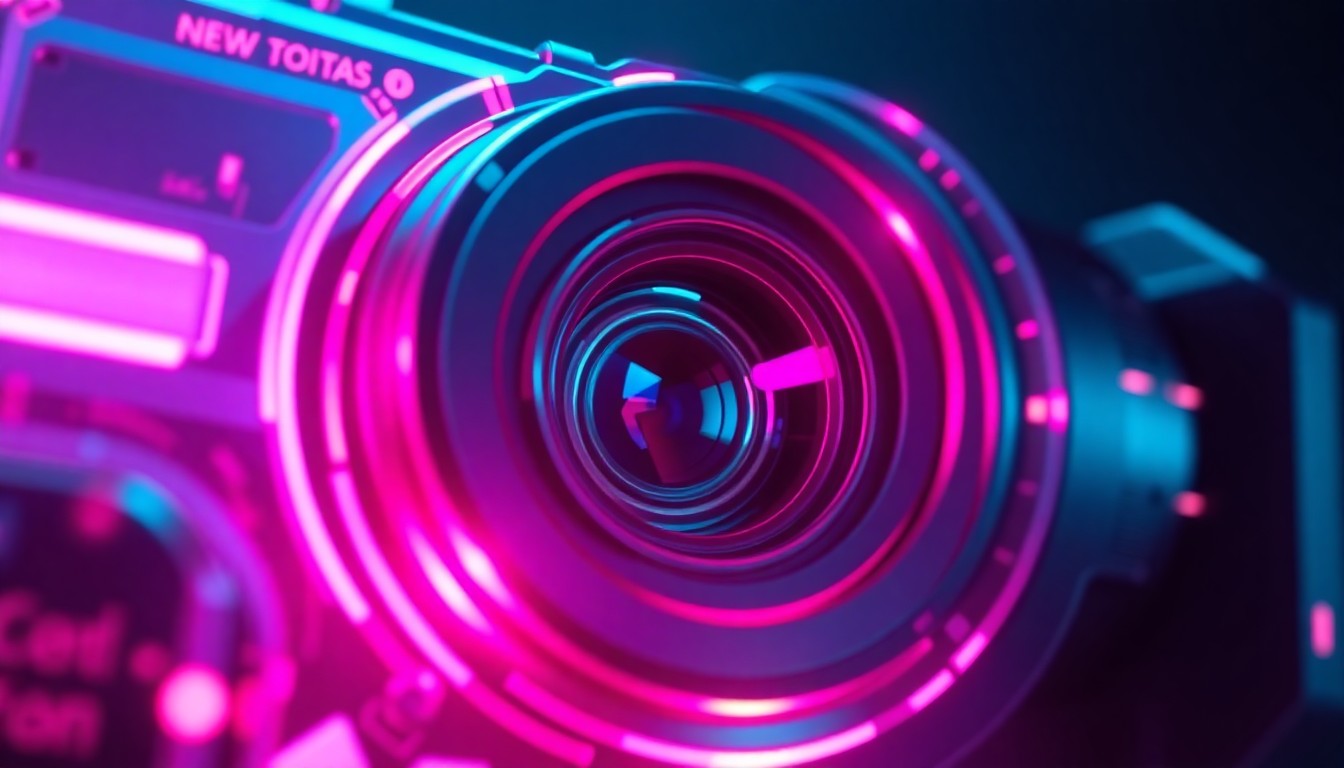 As filmmaking technology continues to advance, the tools of the trade are becoming increasingly sophisticated and visually striking.NYC Today
The article explores how advancements in camera technology, from the MiniDV camcorder to the iPhone, have revolutionized the art of cinematography over the past few decades. It highlights key innovations like the accessibility of digital filmmaking, the rise of DSLR cameras, the shift to 4K resolution, the use of vintage lenses, and the adoption of LED lighting - all of which have expanded the creative possibilities for modern filmmakers.
Why it matters
The evolution of cinematography technology has democratized filmmaking, allowing more diverse voices and perspectives to emerge. It has also enabled new visual styles and storytelling techniques that have reshaped the look and feel of contemporary cinema and television.
The details
The article traces several key milestones in the technological transformation of cinematography. The introduction of the lightweight, affordable MiniDV camera in 1995 marked a 'great liberator for filmmaking,' making it easier for directors to achieve a raw, immediate visual style. The integration of video recording into DSLR cameras in 2008 gave cinematographers more control over depth of field and other filmic qualities. The rise of 4K resolution and the ubiquity of smartphones with video capabilities have raised audience expectations for image quality and accessibility. Filmmakers are also experimenting with vintage lenses to achieve a more analog, film-like aesthetic on digital cameras. Finally, the shift to LED lighting has expanded the color palette available to cinematographers, though some worry this has led to overly saturated palettes in certain productions.
- The MiniDV camera became publicly available in 1995.
- Video recording was integrated into DSLR cameras in 2008.
- The Apple iPhone introduced a video feature in 2009.
- The industry shifted to LED lighting around the mid-2010s.
The players
Levy
A 53-year-old cinematographer who discusses the evolution of filmmaking technology.
Spike Jonze
A director who established a 'raw, immediate visual language' in his work, such as the film 'Video Days' (1991).
David Lynch
A director who shot the film 'Inland Empire' (2006) himself, helping to gain creative legitimacy for the MiniDV camera.
Sean Baker
The director who shot the film 'Tangerine' (2015) on an iPhone.
Radium Cheung
The cinematographer who shot the film 'Tangerine' (2015) on an iPhone alongside director Sean Baker.
What they’re saying
“Not only did it mark a significant leap in accessibility, it also made it easier for filmmakers to achieve the kind of 'raw, immediate visual language' that had been established by directors like Spike Jonze in 'Video Days' (1991).”
— Levy, Cinematographer
“It has the low-res quality of MiniDV' while being 'optically very resolved.”
— Levy, Cinematographer
“We see everything sharper now, so we've adjusted our techniques to exist in this very vivid world.”
— Levy, Cinematographer
“A modern digital sensor and old optics marry well with each other.”
— Levy, Cinematographer
“Just because all the colors are available doesn't mean you have to use every single one. You see certain films where the palette is a little all over the place.”
— Levy, Cinematographer
The takeaway
The rapid evolution of cinematography technology has democratized filmmaking, allowing more diverse voices and perspectives to emerge. While these innovations have expanded the creative possibilities for modern filmmakers, they have also presented new challenges in terms of maintaining a cohesive visual style and aesthetic. As the industry continues to adapt to these changes, the art of cinematography will likely continue to evolve in exciting and unexpected ways.
New York top stories
New York events

Apr. 19, 2026
The Gazillion Bubble Show
Apr. 19, 2026
Candy Crafting at Cricket's Candy Creations
Apr. 19, 2026
Stranger Things: The First Shadow