- Today
- Holidays
- Birthdays
- Reminders
- Cities
- Atlanta
- Austin
- Baltimore
- Berwyn
- Beverly Hills
- Birmingham
- Boston
- Brooklyn
- Buffalo
- Charlotte
- Chicago
- Cincinnati
- Cleveland
- Columbus
- Dallas
- Denver
- Detroit
- Fort Worth
- Houston
- Indianapolis
- Knoxville
- Las Vegas
- Los Angeles
- Louisville
- Madison
- Memphis
- Miami
- Milwaukee
- Minneapolis
- Nashville
- New Orleans
- New York
- Omaha
- Orlando
- Philadelphia
- Phoenix
- Pittsburgh
- Portland
- Raleigh
- Richmond
- Rutherford
- Sacramento
- Salt Lake City
- San Antonio
- San Diego
- San Francisco
- San Jose
- Seattle
- Tampa
- Tucson
- Washington
NYC Catholic Leaders Respond to Trump's Rebuke of Pope Leo XIV
Pontiff's criticism of Iran war sparks social media clash with former president.
Apr. 13, 2026 at 11:14pm
Got story updates? Submit your updates here. ›
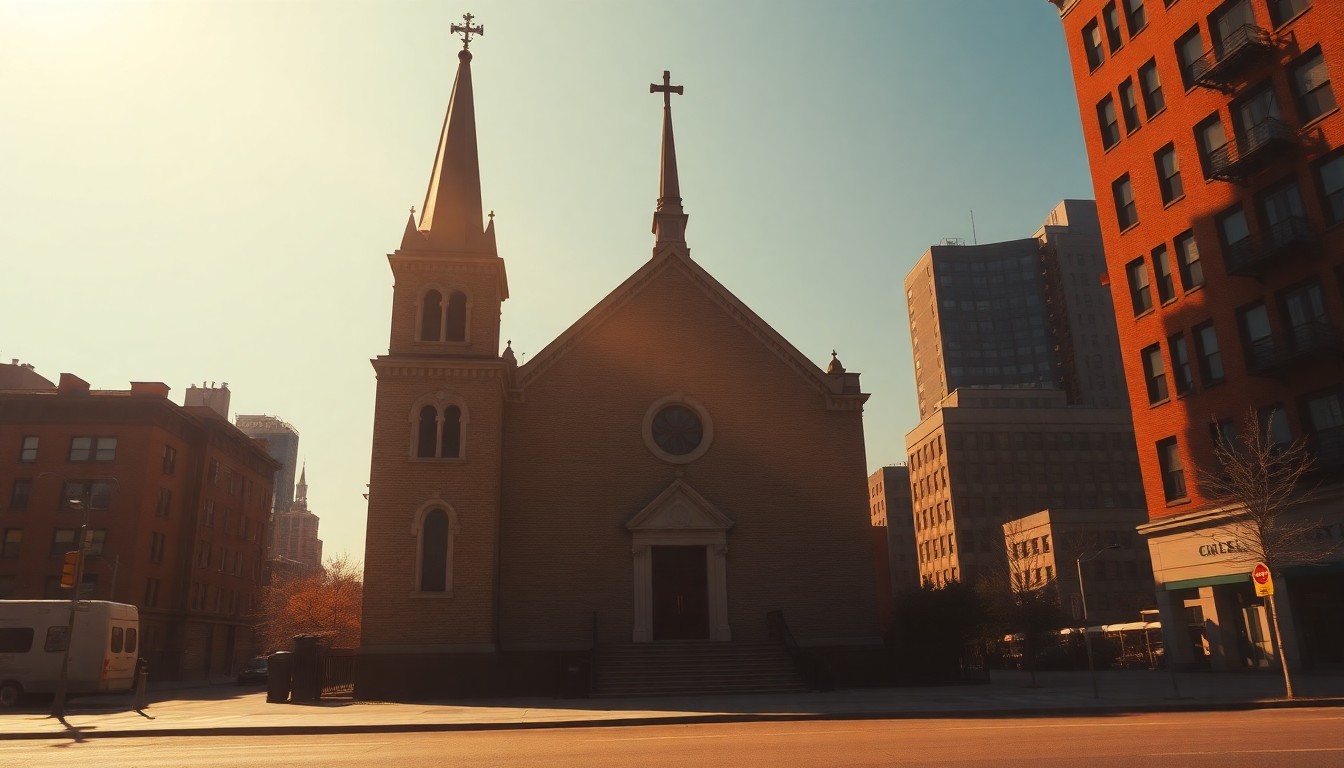 The clash between political and religious leaders in New York City reflects the broader tensions over the role of faith in public life.NYC Today
President Trump's recent social media post attacking Pope Leo XIV and his beliefs following the pontiff's criticism over the war in Iran has evoked a mixed response from Catholic leaders in New York. While some have condemned Trump's comments, others have called for finding common ground on issues like religious liberty.
Why it matters
The clash between the former president and the current pope highlights the ongoing tensions between political and religious leaders, particularly on issues of foreign policy and social values. How Catholic leaders in a major US city like New York respond could shape the broader national conversation.
The details
In the wake of Trump's social media post, Catholic leadership in New York was somewhat split in its response. Some condemned the former president's attack on the pope, while others argued there are areas where the two leaders share common interests that should be the focus.
- President Trump posted his criticism of Pope Leo XIV on social media on Sunday night.
The players
Pope Leo XIV
The current pope who has criticized the war in Iran.
President Trump
The former US president who posted a social media attack on Pope Leo XIV.
The takeaway
This clash between political and religious leaders underscores the ongoing tensions over issues of foreign policy, social values, and the role of faith in public life. How Catholic leaders in New York and beyond navigate this divide could have significant implications for the national discourse.