- Today
- Holidays
- Birthdays
- Reminders
- Cities
- Atlanta
- Austin
- Baltimore
- Berwyn
- Beverly Hills
- Birmingham
- Boston
- Brooklyn
- Buffalo
- Charlotte
- Chicago
- Cincinnati
- Cleveland
- Columbus
- Dallas
- Denver
- Detroit
- Fort Worth
- Houston
- Indianapolis
- Knoxville
- Las Vegas
- Los Angeles
- Louisville
- Madison
- Memphis
- Miami
- Milwaukee
- Minneapolis
- Nashville
- New Orleans
- New York
- Omaha
- Orlando
- Philadelphia
- Phoenix
- Pittsburgh
- Portland
- Raleigh
- Richmond
- Rutherford
- Sacramento
- Salt Lake City
- San Antonio
- San Diego
- San Francisco
- San Jose
- Seattle
- Tampa
- Tucson
- Washington
IBM Settles DOJ Lawsuit Over 'Woke' Diversity Practices
Tech giant agrees to pay $17 million to resolve allegations of unconstitutional hiring and promotion policies.
Apr. 11, 2026 at 5:24pm
Got story updates? Submit your updates here. ›
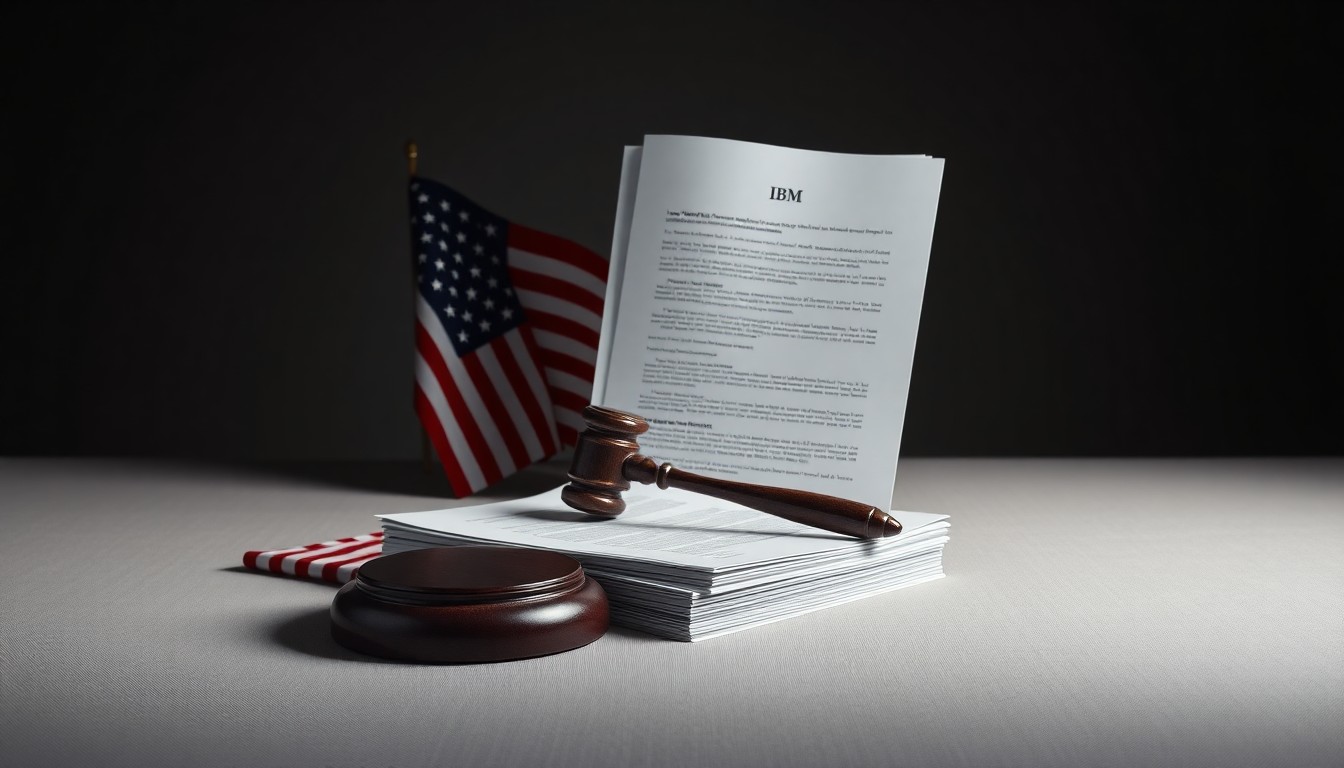 A legal settlement between the federal government and a major tech company underscores the ongoing debate over diversity, equity, and inclusion programs.NYC Today
IBM has reached a $17 million settlement with the U.S. Department of Justice over allegations that the company's diversity, equity and inclusion (DEI) practices in hiring and employment violated federal anti-discrimination laws. The DOJ claimed IBM made 'false claims' about its hiring and promotion practices by setting 'race and sex demographic goals' in its federal contracts.
Why it matters
This case highlights the ongoing debate over the legality of DEI initiatives, with the Trump administration cracking down on what it deems 'woke' and 'unconstitutional' practices. The settlement raises questions about the boundaries of affirmative action and whether companies can consider race or gender in hiring and promotion decisions, even if done with the intent of promoting diversity.
The details
According to the settlement, the DOJ alleged that IBM 'knowingly' made 'false claims' about its hiring and employment practices in federal contracts by identifying 'diverse' candidates for hiring or promotions, while developing 'race and sex demographic goals.' The government claimed these practices violated anti-discrimination laws that require hiring and advancement to be based on merit, not immutable characteristics like race or sex.
- On April 11, 2026, IBM reached a $17,077,043 settlement with the DOJ.
- The DOJ launched its 'Civil Rights Fraud Initiative' to investigate alleged discrimination by government contractors.
The players
IBM
A multinational technology and consulting corporation headquartered in New York.
Department of Justice (DOJ)
The U.S. federal executive department responsible for the enforcement of the law and administration of justice.
Todd Blanche
Acting Attorney General who announced the settlement.
Stanley Woodward
Associate Attorney General who commented on the settlement.
Brenna E. Jenny
Deputy Assistant Attorney General who spoke about the case.
What they’re saying
“Racial discrimination is illegal, and government contractors cannot evade the law by repackaging it as DEI.”
— Todd Blanche, Acting Attorney General
“Merit drives promotion and opportunity. Not someone's sex or race. Today's settlement proves this Department's commitment to ensure companies are not using taxpayer funded work to further woke unconstitutional practices in American workplaces.”
— Stanley Woodward, Associate Attorney General
“When a company accepts federal funding while engaging in practices that sort, prefer, or disadvantage employees on the basis of race or sex, the company is stepping outside the conditions under which the government agreed to contract with them, and we will hold them accountable.”
— Brenna E. Jenny, Deputy Assistant Attorney General
What’s next
The DOJ's 'Civil Rights Fraud Initiative' is expected to continue investigating other government contractors over alleged discriminatory DEI practices.
The takeaway
This settlement highlights the ongoing legal and political battles over the use of race and gender in hiring and promotion, with the Trump administration taking a hardline stance against what it deems 'woke' and unconstitutional DEI policies. The case will likely fuel further debate over the boundaries of affirmative action and diversity initiatives in the workplace.