- Today
- Holidays
- Birthdays
- Reminders
- Cities
- Atlanta
- Austin
- Baltimore
- Berwyn
- Beverly Hills
- Birmingham
- Boston
- Brooklyn
- Buffalo
- Charlotte
- Chicago
- Cincinnati
- Cleveland
- Columbus
- Dallas
- Denver
- Detroit
- Fort Worth
- Houston
- Indianapolis
- Knoxville
- Las Vegas
- Los Angeles
- Louisville
- Madison
- Memphis
- Miami
- Milwaukee
- Minneapolis
- Nashville
- New Orleans
- New York
- Omaha
- Orlando
- Philadelphia
- Phoenix
- Pittsburgh
- Portland
- Raleigh
- Richmond
- Rutherford
- Sacramento
- Salt Lake City
- San Antonio
- San Diego
- San Francisco
- San Jose
- Seattle
- Tampa
- Tucson
- Washington
Trump Pardons Five Former NFL Players
Klecko, Newton, Lewis, Henry, and Cannon receive clemency for crimes ranging from perjury to drug trafficking.
Published on Feb. 13, 2026
Got story updates? Submit your updates here. ›
President Donald Trump has pardoned five former NFL players - Joe Klecko, Nate Newton, Jamal Lewis, Travis Henry, and the late Billy Cannon - for a variety of crimes committed during and after their playing careers, including bankruptcy fraud, drug possession and trafficking, and counterfeiting.
Why it matters
The pardons highlight the challenges many professional athletes face transitioning to life after football, as well as the ongoing debate around criminal justice reform and the role of presidential pardons. The players' crimes ranged in severity, but the pardons suggest Trump's continued commitment to granting second chances, especially for high-profile figures.
The details
Klecko, a member of the Jets' 'New York Sack Exchange' defensive line, was convicted of bankruptcy fraud in 1993. Newton, a Cowboys offensive lineman, was arrested multiple times in the 1990s for drug offenses. Lewis, a Ravens running back, pleaded guilty to using a cell phone to facilitate a drug deal in 2005. Henry, another running back, was sentenced to prison in 2009 for cocaine trafficking. Cannon, a Heisman Trophy winner at LSU, pleaded guilty in 1983 to counterfeiting.
- Trump pardoned the five former players on February 13, 2026.
The players
Joe Klecko
A member of the New York Jets' famed 'New York Sack Exchange' defensive line, Klecko was convicted in 1993 and sentenced to three months in prison on charges related to bankruptcy fraud tied to a business venture following his Pro Football Hall of Fame playing career.
Nate Newton
An offensive lineman who helped anchor three Super Bowl championships with the Dallas Cowboys, Newton was arrested for drug-related offenses multiple times in the 1990s, including possession of marijuana with intent to distribute.
Jamal Lewis
One of the league's most powerful running backs during his prime, Lewis pleaded guilty in 2005 to using a cell phone to facilitate a drug transaction tied to a broader federal investigation.
Travis Henry
A running back who rushed for over 1,000 yards in three different seasons, Henry was sentenced in 2009 to three years in prison on federal cocaine trafficking charges.
Billy Cannon
A 1959 Heisman Trophy winner with LSU, Cannon pleaded guilty in 1983 to his role in a large-scale counterfeiting operation involving millions of dollars in fake currency.
What they’re saying
“As football reminds us, excellence is built on grit, grace, and the courage to rise again. So is our nation. Grateful to @POTUS for his continued commitment to second chances. Mercy changes lives.”
— Alice Marie Johnson, White House pardon czar (Twitter)
What’s next
The White House did not immediately respond to a request for comment on the pardons.
The takeaway
The pardons highlight the complex challenges many professional athletes face transitioning to life after football, as well as the ongoing debate around criminal justice reform and the role of presidential pardons in providing second chances, even for high-profile figures.
New York top stories

New York events
Feb. 16, 2026
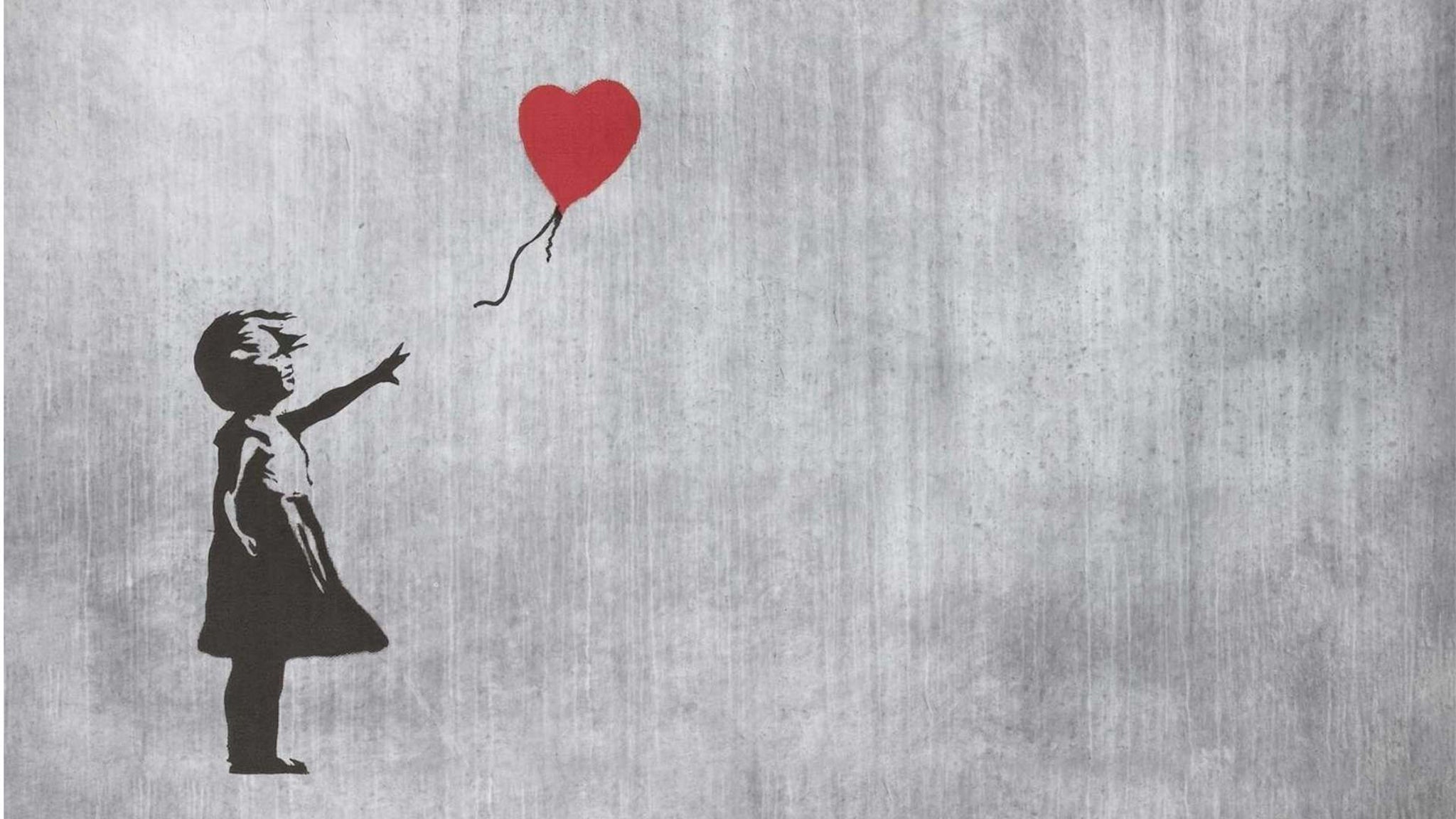
The Banksy Museum New York!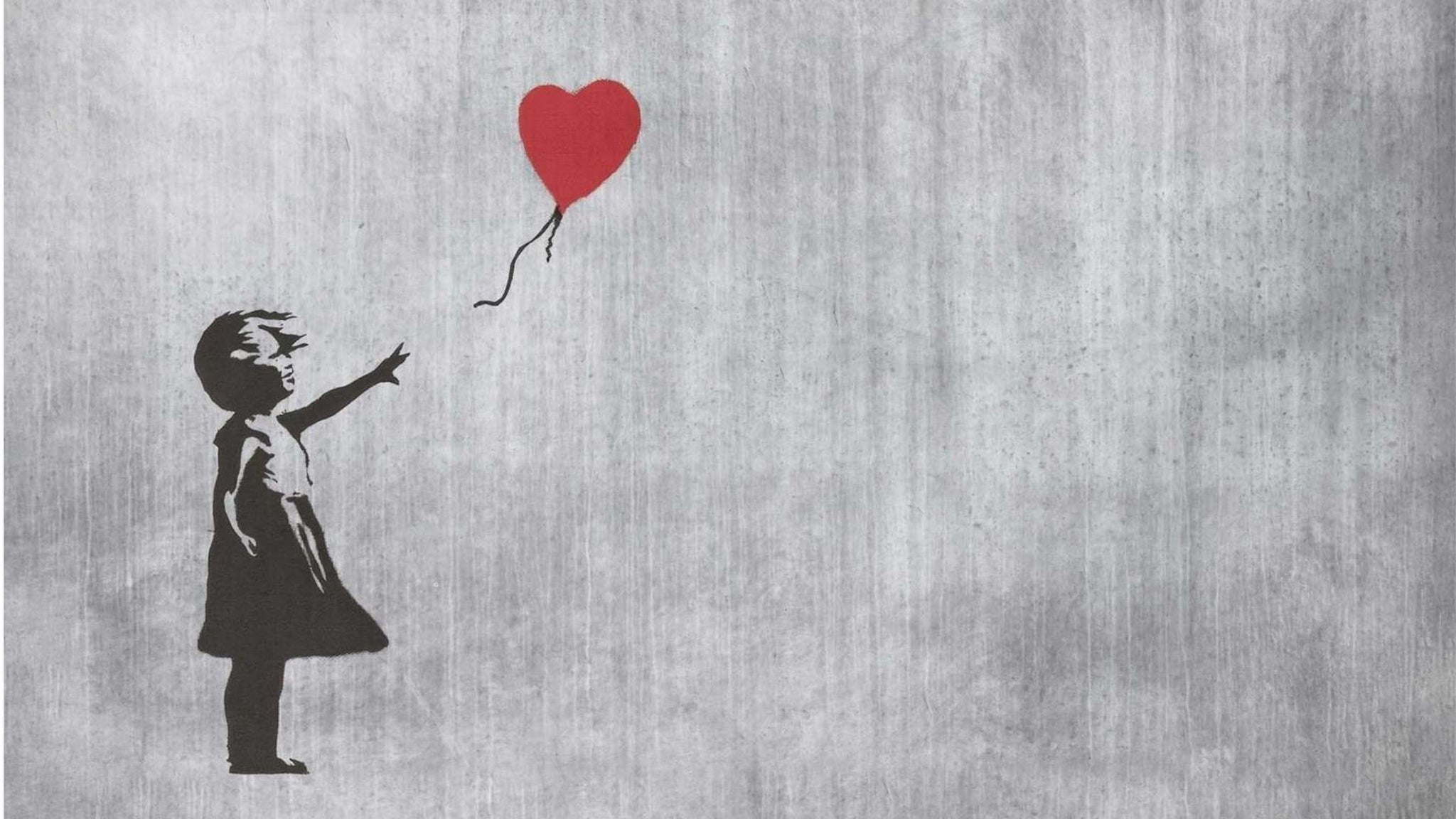
Feb. 16, 2026
The Banksy Museum New York!
Feb. 16, 2026
The Gazillion Bubble Show