- Today
- Holidays
- Birthdays
- Reminders
- Cities
- Atlanta
- Austin
- Baltimore
- Berwyn
- Beverly Hills
- Birmingham
- Boston
- Brooklyn
- Buffalo
- Charlotte
- Chicago
- Cincinnati
- Cleveland
- Columbus
- Dallas
- Denver
- Detroit
- Fort Worth
- Houston
- Indianapolis
- Knoxville
- Las Vegas
- Los Angeles
- Louisville
- Madison
- Memphis
- Miami
- Milwaukee
- Minneapolis
- Nashville
- New Orleans
- New York
- Omaha
- Orlando
- Philadelphia
- Phoenix
- Pittsburgh
- Portland
- Raleigh
- Richmond
- Rutherford
- Sacramento
- Salt Lake City
- San Antonio
- San Diego
- San Francisco
- San Jose
- Seattle
- Tampa
- Tucson
- Washington
Bad Bunny's Super Bowl Halftime Show Celebrates Puerto Rican Identity
The performance highlighted everyday Puerto Rican life and the artist's pride in his heritage.
Feb. 8, 2026 at 11:23pm
Got story updates? Submit your updates here. ›
Bad Bunny's Super Bowl halftime show was a celebration of Puerto Rican culture and identity, showcasing the everyday lives of Puerto Ricans and reminding the audience that they are Americans. The performance featured references to Puerto Rican music, culture, and social clubs, as well as appearances by other Latinx celebrities. Bad Bunny used the platform to spread messages of love, self-belief, and the importance of embracing one's roots, rather than assimilating.
Why it matters
Bad Bunny's halftime show was significant because it highlighted the diversity and contributions of the Puerto Rican community in the United States, at a time when Latino identity is often under threat or suspicion. By staying true to his Puerto Rican roots and musical style, Bad Bunny challenged the expectation that artists must assimilate to succeed in the mainstream American market.
The details
The performance opened with Bad Bunny walking through a set resembling a Puerto Rican sugarcane field, surrounded by everyday scenes of Puerto Rican life. He then performed hits like 'Tití Me Preguntó' and 'Yo Perreo Sola,' with appearances by other Latinx celebrities. Bad Bunny also paid homage to Puerto Rican artists who paved the way, like Daddy Yankee and Ricky Martin. Throughout the performance, Bad Bunny delivered messages of self-belief and the power of love over hate.
- Bad Bunny's Super Bowl halftime show took place on February 9, 2026.
The players
Bad Bunny
A Puerto Rican singer and rapper who has become a global superstar, known for his unique blend of reggaeton, Latin trap, and pop music.
Daddy Yankee
A Puerto Rican singer, songwriter, and record producer who is considered the 'King of Reggaeton' and helped popularize the genre.
Ricky Martin
A Puerto Rican singer and actor who successfully crossed over into the American mainstream in the late 1990s with hits like 'Livin' la Vida Loca'.
Clara Rodríguez
A Fordham sociology professor and expert on Latino representation in the media.
Joanna Love
A professor of music at the University of Richmond who studies the cultural significance of the Super Bowl halftime show.
What they’re saying
“He sings in Spanish, and he has made his political views known.”
— Clara Rodríguez, Fordham sociology professor
“Spanish-speaking artists don't have to cross over in the old way anymore. The audience already knows the music.”
— Joanna Love, University of Richmond professor of music
“Bad Bunny has actually gone in the opposite direction and gone to the archives of the rich culture that is Puerto Rican music. So, culturally, this is important because it shows people that you don't have to assimilate. You don't have to wash away what makes you you. You don't have to forget your history to be successful. You just be you.”
— Luis Fernando Macías, Associate professor, Department of Chicano and Latin American Studies, Fresno State
What’s next
Bad Bunny's performance at the Super Bowl halftime show is expected to further cement his status as a global superstar and a symbol of pride for the Puerto Rican community.
The takeaway
Bad Bunny's Super Bowl halftime show was a powerful celebration of Puerto Rican identity and a rejection of the notion that artists must assimilate to succeed in the mainstream American market. By staying true to his roots and using his platform to spread messages of love and self-belief, Bad Bunny has transformed the conversation around language, identity, and representation in American culture.
New York top stories

New York events
Mar. 23, 2026
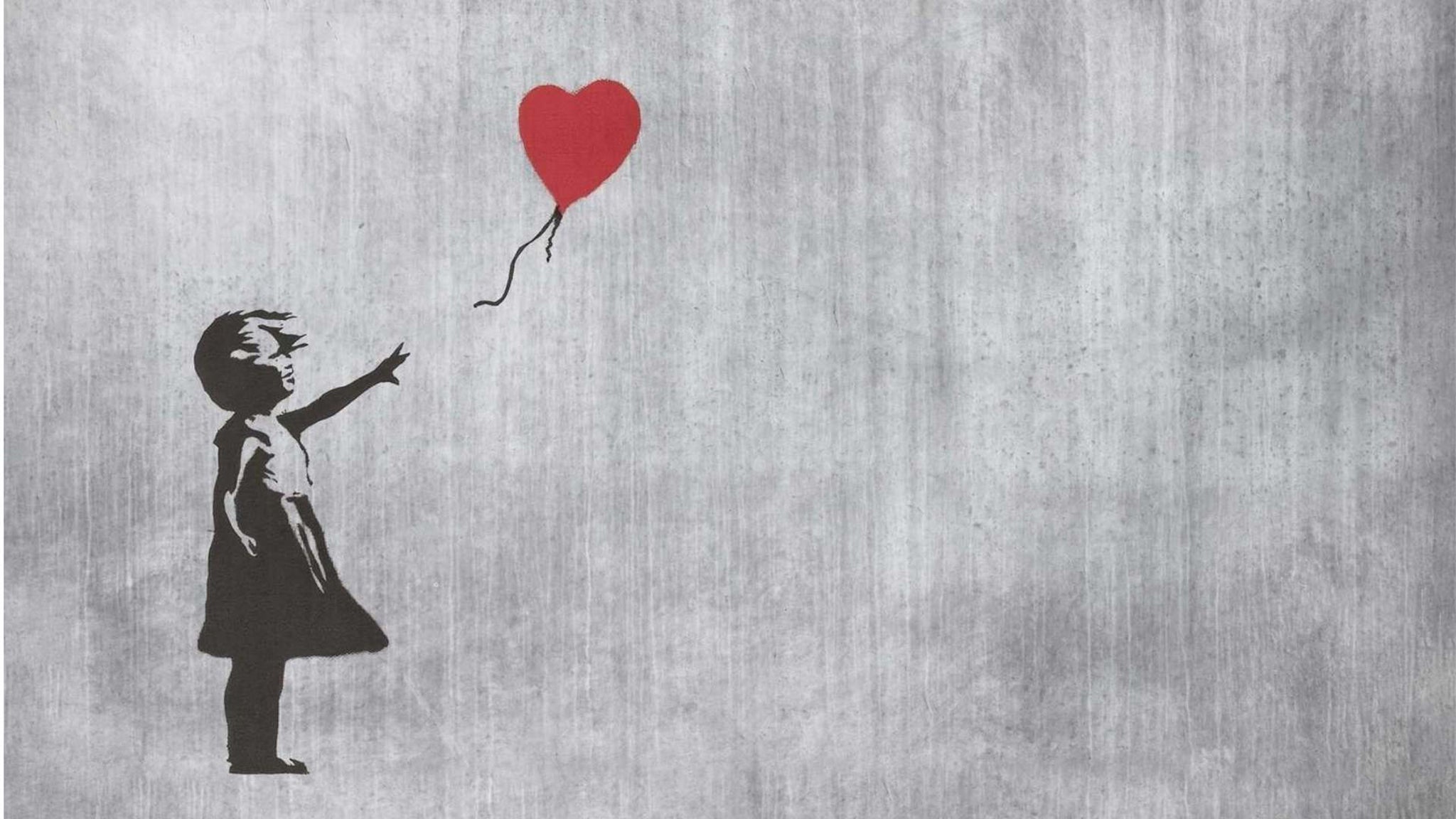
The Banksy Museum New York!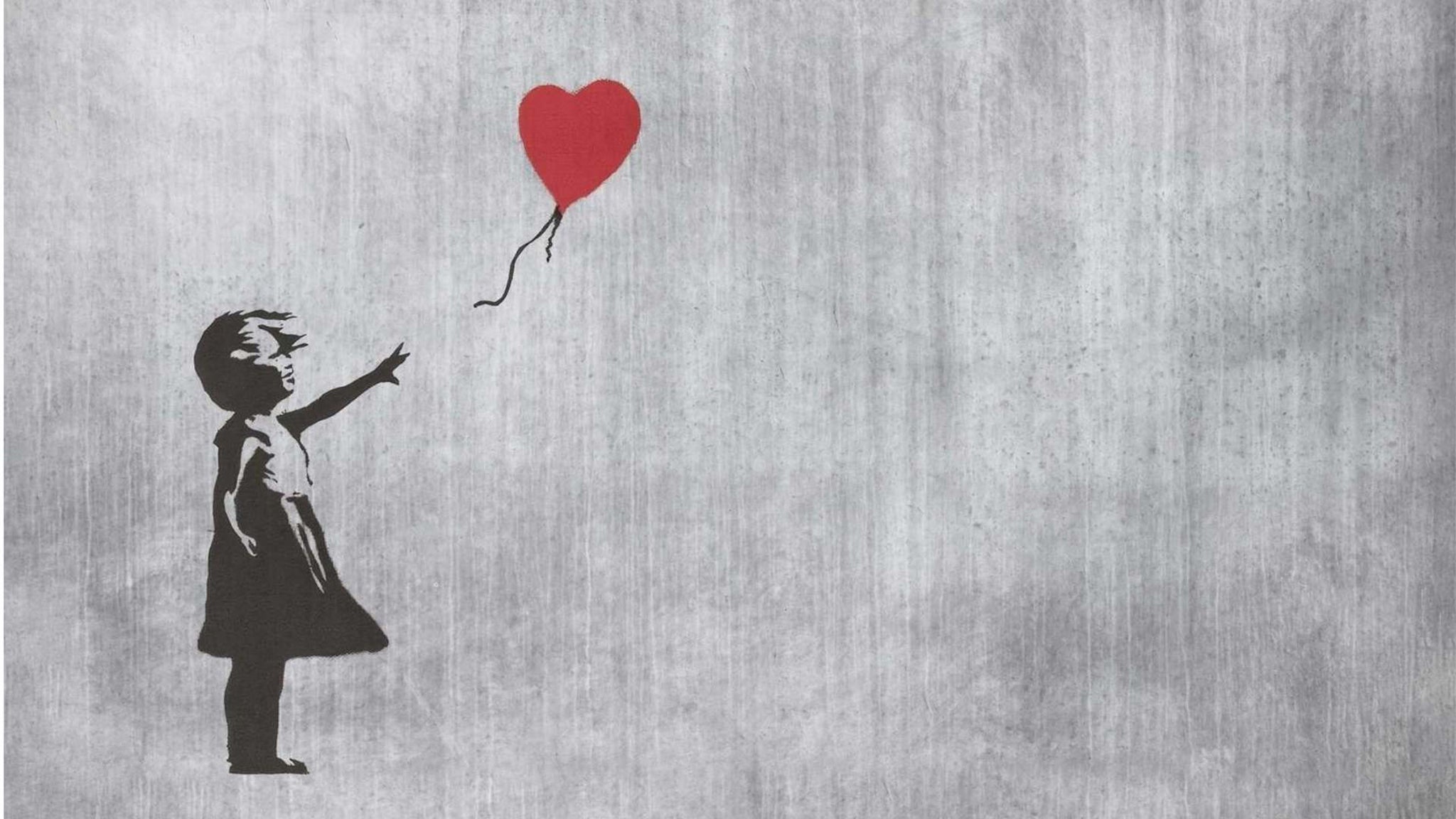
Mar. 23, 2026
Banksy Museum - Flexiticket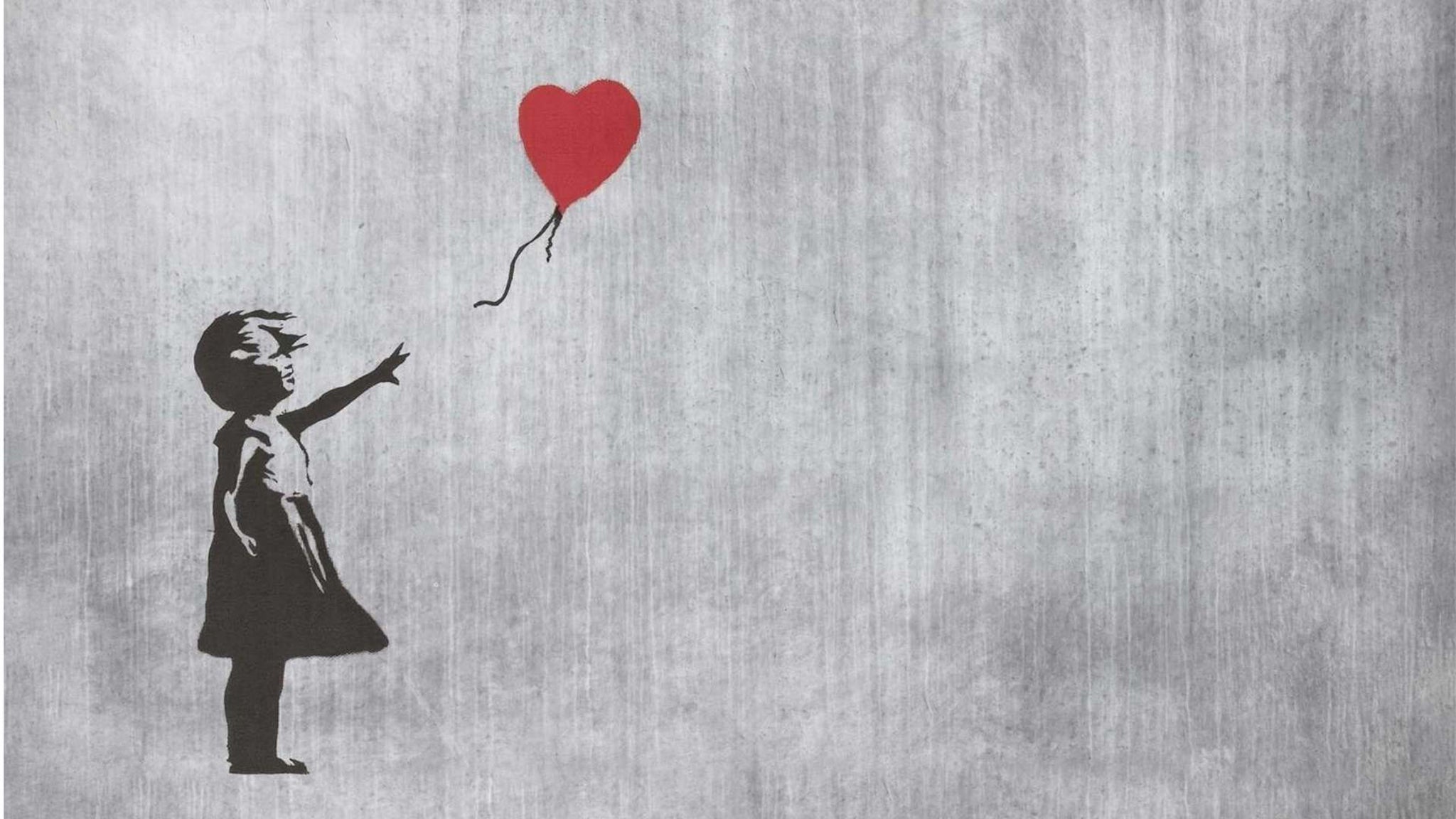
Mar. 23, 2026
The Banksy Museum New York!