- Today
- Holidays
- Birthdays
- Reminders
- Cities
- Atlanta
- Austin
- Baltimore
- Berwyn
- Beverly Hills
- Birmingham
- Boston
- Brooklyn
- Buffalo
- Charlotte
- Chicago
- Cincinnati
- Cleveland
- Columbus
- Dallas
- Denver
- Detroit
- Fort Worth
- Houston
- Indianapolis
- Knoxville
- Las Vegas
- Los Angeles
- Louisville
- Madison
- Memphis
- Miami
- Milwaukee
- Minneapolis
- Nashville
- New Orleans
- New York
- Omaha
- Orlando
- Philadelphia
- Phoenix
- Pittsburgh
- Portland
- Raleigh
- Richmond
- Rutherford
- Sacramento
- Salt Lake City
- San Antonio
- San Diego
- San Francisco
- San Jose
- Seattle
- Tampa
- Tucson
- Washington
Global Cholera Vaccine Supply Reaches Critical Milestone, Preventive Campaigns Resume
UNICEF, Gavi, and WHO announce the restart of life-saving preventive cholera vaccination campaigns in Mozambique, Bangladesh, and the Democratic Republic of the Congo.
Published on Feb. 5, 2026
Got story updates? Submit your updates here. ›
After a three-year halt due to global shortages, preventive cholera vaccination campaigns are resuming thanks to a doubling of annual global supply from 35 million doses in 2022 to nearly 70 million doses in 2025. The first campaign is launching in Mozambique, with others planned in Bangladesh and the Democratic Republic of the Congo, regions that have experienced significant cholera outbreaks.
Why it matters
The return of preventive cholera vaccination campaigns is a critical step in breaking the cycle of reacting to outbreaks rather than proactively preventing them. Cholera remains a major public health threat, especially in areas affected by conflict, poverty, and lack of access to safe water and sanitation. Vaccination, combined with long-term investments in infrastructure, is essential to reducing cholera deaths and preventing future outbreaks.
The details
The global cholera vaccine supply has increased thanks to sustained efforts by agencies, manufacturers, and partners to meet high demand for outbreak response and expand production capacity. The first allocation of 20 million doses will be deployed for preventive campaigns, with 3.6 million going to Mozambique, 6.1 million to the Democratic Republic of the Congo, and 10.3 million planned for Bangladesh. The one-dose strategy will remain the standard for outbreak response, with two-dose use considered on a case-by-case basis.
- The preventive vaccination campaign in Mozambique begins in February 2026 amid an ongoing cholera outbreak and the aftermath of recent floods.
- Preventive campaigns are also planned in Bangladesh and the Democratic Republic of the Congo in the coming months.
The players
United Nations Children's Fund (UNICEF)
A United Nations agency responsible for providing humanitarian and developmental assistance to children worldwide.
Gavi, the Vaccine Alliance
A global health partnership that aims to increase access to immunization in poor countries.
World Health Organization (WHO)
The United Nations agency responsible for international public health.
EUBiologics
The only manufacturer currently producing cholera vaccines at the scale needed for mass vaccination campaigns.
Global Task Force for Cholera Control (GTFCC)
A partnership of over 50 organizations that sets allocation criteria for cholera vaccines to ensure equitable distribution.
What they’re saying
“Global vaccine shortages forced us into a cycle of reacting to cholera outbreaks instead of preventing them. We are now in a stronger position to break that cycle. I thank EUBiologics, currently the only manufacturer producing cholera vaccines at the scale needed for mass vaccination campaigns, for its efforts, and urge others to enter this vital space. These vaccines will save lives.”
— Dr. Tedros Adhanom Ghebreyesus, WHO Director-General (WHO)
“The multi-year surge in cholera cases and resulting unprecedented demand for vaccines were stark reminders that sustainable, accessible vaccine supply is a global public good - and the world cannot afford complacency. We are grateful to our partners and manufacturers, particularly EUBiologics, for the collaboration that has made the resumption of these essential preventive campaigns possible, and to Gavi's donors, whose support enables us to finance the global OCV stockpile and life-saving outbreak and preventive campaigns.”
— Dr. Sania Nishtar, CEO of Gavi, the Vaccine Alliance (Gavi)
“For the first time in years, this increase in vaccines will allow us to better prevent large-scale cholera emergencies. Resuming preventive cholera vaccination will protect children and help stop this highly contagious disease in its tracks. But it must go hand in hand with other efforts, including better access to safe water and basic sanitation.”
— Catherine Russell, UNICEF Executive Director (UNICEF)
What’s next
The three countries were chosen based on allocation criteria set out by the Global Task Force for Cholera Control (GTFCC) to ensure cholera vaccines for preventive campaigns are distributed systematically, equitably and transparently. Additional preventive campaigns are planned in other high-risk regions in the coming months.
The takeaway
The resumption of preventive cholera vaccination campaigns, made possible by increased global vaccine supply, is a critical step in breaking the cycle of reacting to outbreaks. However, lasting progress will depend on long-term investment in water, sanitation, and hygiene infrastructure, as well as continued political commitment to cholera prevention and control.
New York top stories

New York events

Feb. 10, 2026
The Lion King (New York, NY)
Feb. 10, 2026
Banksy Museum - Flexiticket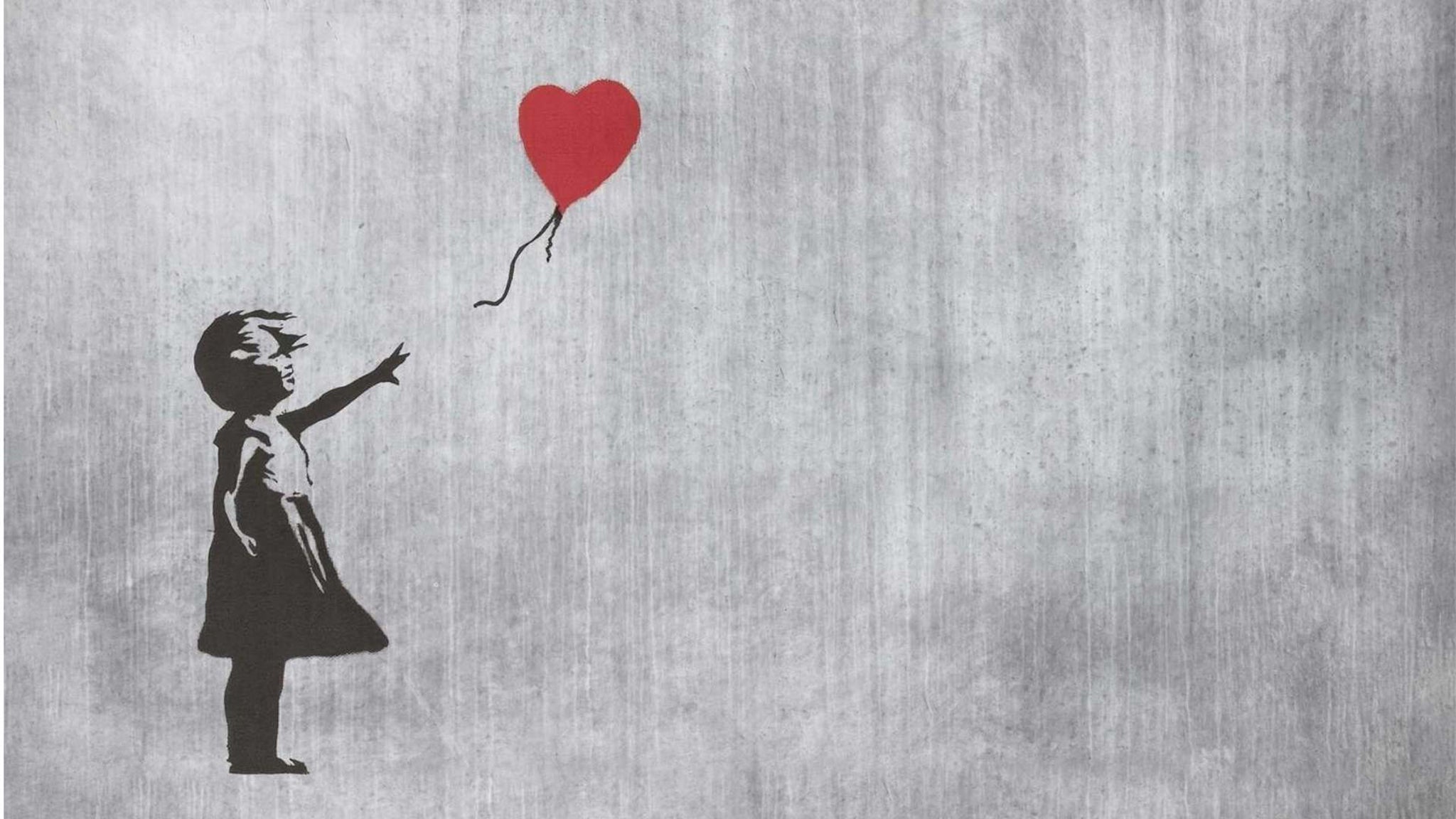
Feb. 10, 2026
The Banksy Museum New York!