- Today
- Holidays
- Birthdays
- Reminders
- Cities
- Atlanta
- Austin
- Baltimore
- Berwyn
- Beverly Hills
- Birmingham
- Boston
- Brooklyn
- Buffalo
- Charlotte
- Chicago
- Cincinnati
- Cleveland
- Columbus
- Dallas
- Denver
- Detroit
- Fort Worth
- Houston
- Indianapolis
- Knoxville
- Las Vegas
- Los Angeles
- Louisville
- Madison
- Memphis
- Miami
- Milwaukee
- Minneapolis
- Nashville
- New Orleans
- New York
- Omaha
- Orlando
- Philadelphia
- Phoenix
- Pittsburgh
- Portland
- Raleigh
- Richmond
- Rutherford
- Sacramento
- Salt Lake City
- San Antonio
- San Diego
- San Francisco
- San Jose
- Seattle
- Tampa
- Tucson
- Washington
Psychiatrist's Controversial Experiment Helped Reshape Understanding of Schizophrenia
In 1969, Burton Angrist used amphetamines to induce psychosis in healthy volunteers, changing how we view the biological roots of the disorder.
Apr. 13, 2026 at 4:57pm
Got story updates? Submit your updates here. ›
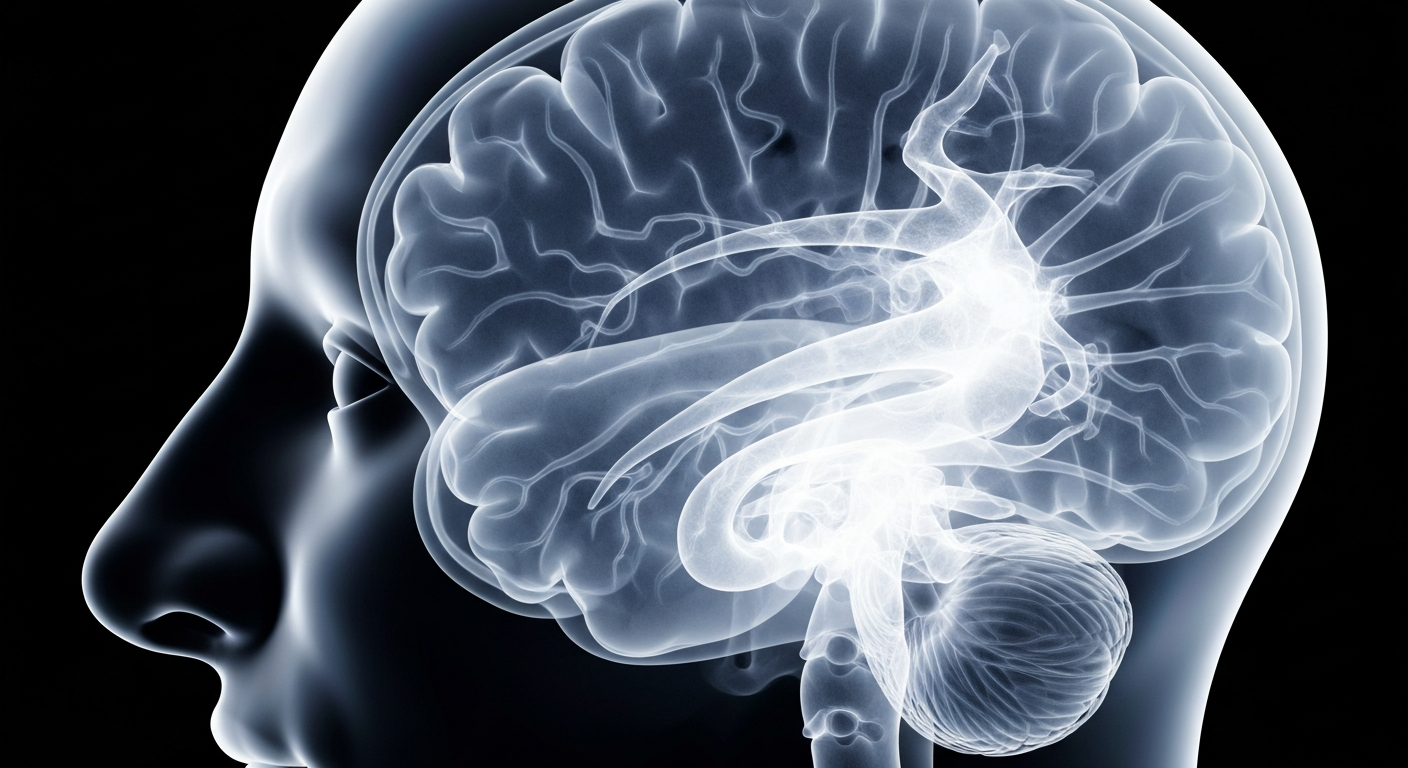 A groundbreaking experiment that induced psychosis-like symptoms helped reshape our understanding of the biological roots of schizophrenia.Manhattan Today
In the late 1960s, American psychiatrist Burton Angrist conducted a controversial experiment at Bellevue Hospital in New York City, using amphetamines to temporarily induce psychosis-like symptoms in healthy volunteers. This work helped reshape the field's understanding of schizophrenia, leading to the influential 'dopamine hypothesis' and informing the development of antipsychotic drugs, even as it raised ethical questions that would be viewed differently today.
Why it matters
Angrist's experiment was a pivotal moment in the history of psychiatry, as it challenged the prevailing view of schizophrenia and set the stage for major advancements in the biological understanding and treatment of the disorder. While the ethical standards of the time allowed for such research, it highlights the evolving nature of medical ethics and the need to continuously re-examine the boundaries of acceptable experimentation, especially when it involves inducing mental illness in otherwise healthy individuals.
The details
Angrist, an assistant professor of psychiatry at NYU, noticed that people who abused amphetamines often developed symptoms clinically indistinguishable from schizophrenia. To test whether the drugs themselves could trigger psychosis, he gathered four experienced amphetamine users and administered gradually increasing doses, monitoring their vital signs. Within 20 hours, one subject developed hallucinations and delusions, while another experienced a profound break from logical thought. Angrist's work helped validate 'amphetamine psychosis' as a valid model for studying schizophrenia, leading to the influential 'dopamine hypothesis' that linked the disorder to imbalances in brain chemistry.
- In the late 1960s, Angrist began noticing the link between amphetamine abuse and schizophrenia-like symptoms in Manhattan.
- In the spring of 1969, Angrist conducted his experiment on four volunteers at Bellevue Hospital.
- In 1970, neuroscientist Solomon Snyder, inspired by Angrist's research, studied how amphetamines affect the brain and proposed the dopamine hypothesis of schizophrenia.
- In 1975, Snyder's lab discovered the brain's dopamine receptor and proved that antipsychotic drugs work by blocking dopamine receptors.
- Angrist died in May 2024.
The players
Burton Angrist
An assistant professor of psychiatry at NYU and a researcher in Bellevue Hospital's psychiatric ward who conducted the controversial experiment using amphetamines to induce psychosis-like symptoms in healthy volunteers, helping reshape the understanding of schizophrenia.
Solomon Snyder
A neuroscientist and psychiatrist who, inspired by Angrist's research, studied how amphetamines affect the brain and proposed the influential 'dopamine hypothesis' of schizophrenia.
What they’re saying
“Years later, he acknowledged that his amphetamine experiment would likely be considered unethical today.”
— Burton Angrist
The takeaway
Angrist's controversial experiment, while ethically questionable by today's standards, marked a pivotal moment in the history of psychiatry, leading to a deeper biological understanding of schizophrenia and informing the development of antipsychotic drugs. It highlights the evolving nature of medical ethics and the need to continuously re-evaluate the boundaries of acceptable experimentation, especially when it involves inducing mental illness in otherwise healthy individuals.