- Today
- Holidays
- Birthdays
- Reminders
- Cities
- Atlanta
- Austin
- Baltimore
- Berwyn
- Beverly Hills
- Birmingham
- Boston
- Brooklyn
- Buffalo
- Charlotte
- Chicago
- Cincinnati
- Cleveland
- Columbus
- Dallas
- Denver
- Detroit
- Fort Worth
- Houston
- Indianapolis
- Knoxville
- Las Vegas
- Los Angeles
- Louisville
- Madison
- Memphis
- Miami
- Milwaukee
- Minneapolis
- Nashville
- New Orleans
- New York
- Omaha
- Orlando
- Philadelphia
- Phoenix
- Pittsburgh
- Portland
- Raleigh
- Richmond
- Rutherford
- Sacramento
- Salt Lake City
- San Antonio
- San Diego
- San Francisco
- San Jose
- Seattle
- Tampa
- Tucson
- Washington
Liverpool Today
By the People, for the People
Fans Cheer for Man City Over Arsenal Amid Geopolitical Tensions
The ownership of Manchester City by Abu Dhabi has transformed the club into a 'sportswashing project' that raises questions about the intersection of global politics and the beautiful game.
Apr. 17, 2026 at 9:18am
Got story updates? Submit your updates here. ›
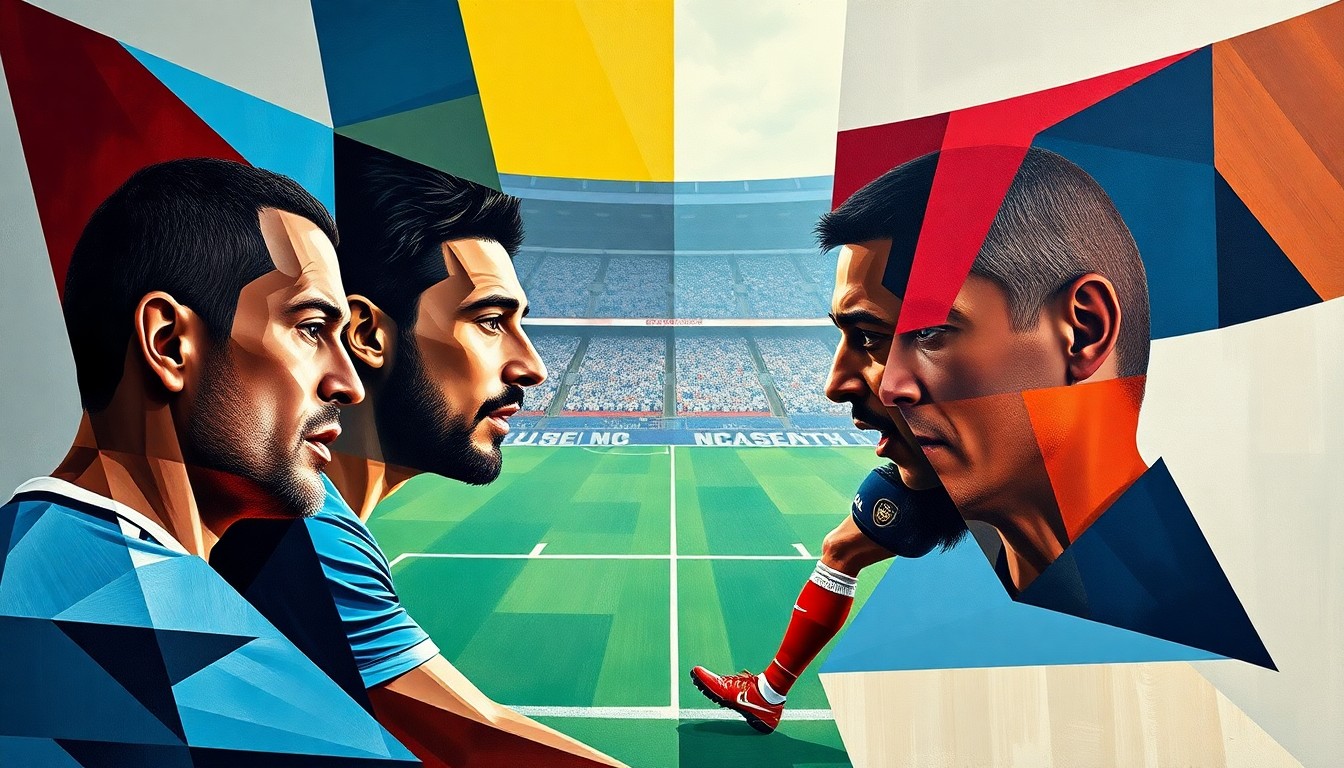 The geopolitical tensions and corporate interests that have transformed the Premier League into a battleground for influence and reputation are reflected in the fractured, multi-perspective depiction of a match between Manchester City and Arsenal.Liverpool Today
The modern football landscape has evolved beyond the pitch, becoming a complex intersection of global politics, state-level diplomacy, and corporate strategy. The ownership of Manchester City by Abu Dhabi has turned the club into a 'sportswashing project,' used to project influence through sporting success. This has led to a rise in 'anti-fan' sentiment, where fans often cheer for City's success over traditional powerhouses like Arsenal, not just because of on-field performance, but due to the political implications behind City's ownership. The tension between the 'American capitalist' model of ownership and the traditional view of football clubs as social institutions has also come to the forefront, with fans demanding that clubs act as custodians of social values rather than just profit-generating entities.
Why it matters
This story highlights the growing influence of geopolitics and corporate interests in the world of football, which is challenging the traditional notion of the sport as a purely competitive endeavor. The ownership structure of clubs like Manchester City is being scrutinized for its potential to be used as a tool for 'sportswashing,' raising questions about the integrity of the game and the fairness of competition. Additionally, the rise of 'anti-fan' sentiment and the tension between different ownership models reflect the evolving social and political landscape surrounding the sport.
The details
Manchester City's ownership by the Abu Dhabi United Group, led by Sheikh Mansour, a senior Emirati royal, has transformed the club into a 'sportswashing project.' This model allows an autocratic state to project influence through sporting success, despite allegations of human rights abuses and involvement in conflicts, such as the Rapid Support Forces (RSF) paramilitary group in Sudan. As these ties become more transparent, the 'meaning' of City's victories is being questioned, as the political project behind the club's dominance overshadows the sporting achievements.
- In February 2023, the Premier League announced charges against Manchester City based on leaks from November 2018.
- Manchester City has won six Premier League titles in the last seven seasons, despite the unresolved charges against the club.
The players
Sheikh Mansour
The owner of Manchester City and a senior Emirati royal, whose ownership of the club has turned it into a 'sportswashing project' used to project influence through sporting success.
Mikel Arteta
The manager of Arsenal, whose team has often been the target of 'anti-fan' sentiment from supporters of other clubs, particularly Manchester City.
Thomas Partey
A former Arsenal player who is facing charges of rape and sexual assault, adding another layer of scrutiny to the personal conduct of players in the public eye.
What’s next
The Premier League's investigation into the charges against Manchester City is ongoing, and the outcome could have significant implications for the club's future and the integrity of the competition.
The takeaway
This story highlights the growing influence of geopolitics and corporate interests in the world of football, which is challenging the traditional notion of the sport as a purely competitive endeavor. The ownership structure of clubs like Manchester City is being scrutinized for its potential to be used as a tool for 'sportswashing,' raising questions about the integrity of the game and the fairness of competition. Additionally, the rise of 'anti-fan' sentiment and the tension between different ownership models reflect the evolving social and political landscape surrounding the sport.