- Today
- Holidays
- Birthdays
- Reminders
- Cities
- Atlanta
- Austin
- Baltimore
- Berwyn
- Beverly Hills
- Birmingham
- Boston
- Brooklyn
- Buffalo
- Charlotte
- Chicago
- Cincinnati
- Cleveland
- Columbus
- Dallas
- Denver
- Detroit
- Fort Worth
- Houston
- Indianapolis
- Knoxville
- Las Vegas
- Los Angeles
- Louisville
- Madison
- Memphis
- Miami
- Milwaukee
- Minneapolis
- Nashville
- New Orleans
- New York
- Omaha
- Orlando
- Philadelphia
- Phoenix
- Pittsburgh
- Portland
- Raleigh
- Richmond
- Rutherford
- Sacramento
- Salt Lake City
- San Antonio
- San Diego
- San Francisco
- San Jose
- Seattle
- Tampa
- Tucson
- Washington
Levittown Today
By the People, for the People
Levittown Homes Excluded Black Buyers in Post-WWII America
The mass-produced suburban community was inaccessible to non-white families, contributing to lasting racial inequality.
Apr. 7, 2026 at 4:33pm
Got story updates? Submit your updates here. ›
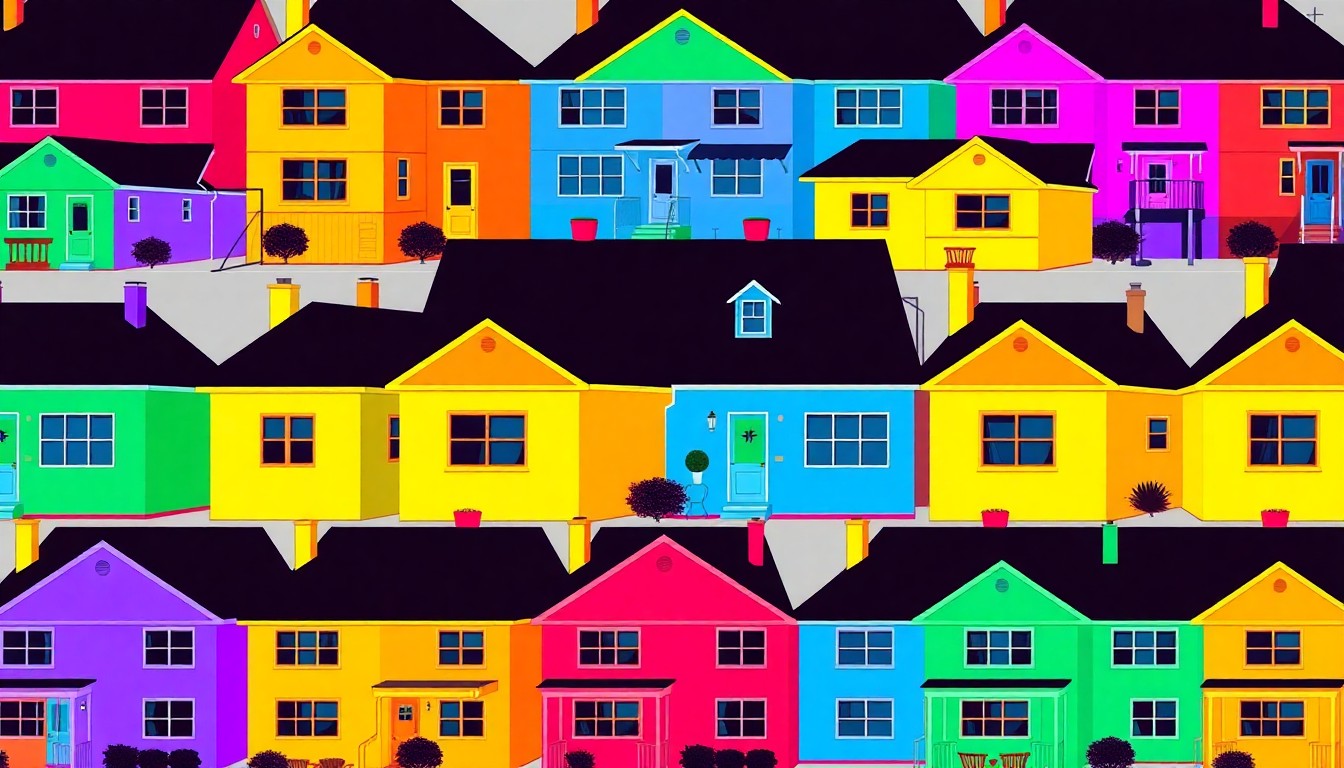 The mass-produced, racially exclusive Levittown homes became an iconic symbol of post-war suburban development, with lasting impacts on housing discrimination and inequality.Levittown Today
In the years following World War II, the Levittown community in New York was one of the first wholly planned American suburbs, offering affordable homes to middle-class white families. However, developer William Levitt refused to sell to Black buyers and included restrictive covenants barring the resale of homes to non-white individuals, effectively creating an exclusively white community. This legacy has had lasting impacts on racial inequality in home ownership and wealth accumulation in the United States.
Why it matters
The Levittown model of mass-produced, racially exclusive suburban development set a precedent that contributed to the racial wealth gap and housing discrimination that persists today. As a major financial asset for many Americans, homeownership has been a key driver of intergenerational wealth, but these discriminatory policies denied that opportunity to Black families.
The details
Levittown was developed by builder William Levitt, who used mass-production techniques to rapidly construct over 17,000 affordable homes on Long Island. While this provided housing for many white middle-class families in the post-war era, Levitt refused to sell to Black buyers and included restrictive covenants prohibiting the resale of homes to non-white individuals. This effectively created a whites-only suburban community, denying Black families the opportunity to build wealth through homeownership.
- Levittown was developed in the years following World War II.
- The first Levittown homes were constructed in 1947.
The players
William Levitt
The developer who pioneered the mass-produced, racially exclusive Levittown suburban community model.
Ed Berenson
A professor of history at New York University and author who has studied the legacy of Levittown and its impact on racial inequality.
What they’re saying
“What Levitt did by creating these exclusively white communities is he set up a structure that still exists today, and it's a structure that has really maintained racial inequality, even more than class inequality.”
— Ed Berenson, Professor of History, New York University
The takeaway
The Levittown model of mass-produced, racially exclusive suburban development has had lasting impacts on housing discrimination and the racial wealth gap in the United States, as homeownership has been a key driver of intergenerational wealth accumulation. Understanding this history is crucial to addressing persistent racial inequalities.