- Today
- Holidays
- Birthdays
- Reminders
- Cities
- Atlanta
- Austin
- Baltimore
- Berwyn
- Beverly Hills
- Birmingham
- Boston
- Brooklyn
- Buffalo
- Charlotte
- Chicago
- Cincinnati
- Cleveland
- Columbus
- Dallas
- Denver
- Detroit
- Fort Worth
- Houston
- Indianapolis
- Knoxville
- Las Vegas
- Los Angeles
- Louisville
- Madison
- Memphis
- Miami
- Milwaukee
- Minneapolis
- Nashville
- New Orleans
- New York
- Omaha
- Orlando
- Philadelphia
- Phoenix
- Pittsburgh
- Portland
- Raleigh
- Richmond
- Rutherford
- Sacramento
- Salt Lake City
- San Antonio
- San Diego
- San Francisco
- San Jose
- Seattle
- Tampa
- Tucson
- Washington
Ithaca Today
By the People, for the People
College Instructor Uses Typewriters to Curb AI-Written Work
Cornell professor brings back analog writing to teach life lessons and critical thinking skills
Mar. 31, 2026 at 9:18am
Got story updates? Submit your updates here. ›
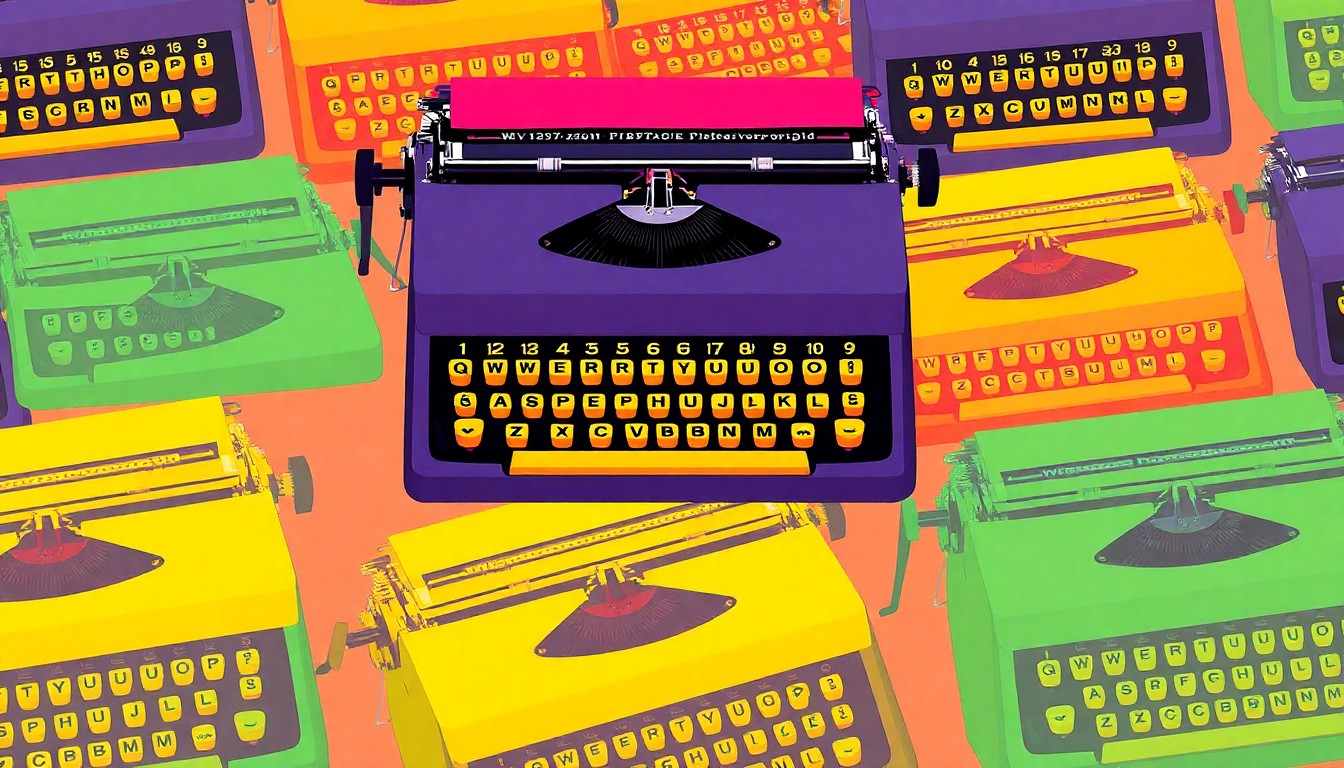 The return of manual typewriters in college classrooms aims to curb AI-written work and teach students valuable life lessons.Ithaca Today
Grit Matthias Phelps, a German language instructor at Cornell University, has introduced a unique assignment where students use manual typewriters instead of computers to write their essays and assignments. This exercise aims to prevent students from relying on AI-generated content and online translation tools, forcing them to engage in the writing process more deeply and develop critical thinking skills.
Why it matters
As the use of generative AI and online translation platforms becomes more prevalent, some educators are concerned that students are losing the ability to think critically and engage in the writing process. Phelps' typewriter assignment is part of a broader trend towards old-school testing methods to prevent AI-assisted work and encourage students to develop their own writing skills.
The details
Phelps found dozens of old manual typewriters and created an 'analog' assignment for her students, who were initially confused by the unfamiliar technology. The exercise required them to manually feed the paper, strike the keys with force, and use the dinging bell to signal the end of a line. Without the ability to delete or easily correct mistakes, students were forced to think more intentionally about their writing. The assignment also encouraged more in-person collaboration, as students had to ask their classmates for help in the absence of online resources.
- Phelps started the typewriter assignment in spring 2023.
- The most recent analog day took place on a recent class session.
The players
Grit Matthias Phelps
A German language instructor at Cornell University who introduced the typewriter assignment to her students.
Catherine Mong
A 19-year-old freshman in Phelps' Intro to German class who was initially confused by the typewriters but embraced the challenge of the assignment.
Ratchaphon Lertdamrongwong
A sophomore computer science major in Phelps' class who recognized the differences in how he interacted with the world when using a typewriter compared to a modern laptop.
What they’re saying
“What's the point of me reading it if it's already correct anyway, and you didn't write it yourself? Could you produce it without your computer?”
— Grit Matthias Phelps, German language instructor
“I was so confused. I had no idea what was happening. I'd seen typewriters in movies, but they don't tell you how a typewriter works.”
— Catherine Mong, Freshman
“This might sound bad, but I was forced to actually think about the problem on my own instead of delegating to AI or Google search.”
— Ratchaphon Lertdamrongwong, Sophomore computer science major
What’s next
Phelps plans to continue incorporating the typewriter assignment into her curriculum each semester, as part of a broader effort to encourage critical thinking and self-reliance among her students.
The takeaway
Phelps' typewriter assignment highlights the growing concern among educators about the overreliance on AI-generated content and online resources, and the importance of fostering hands-on, analog learning experiences that promote critical thinking, collaboration, and a deeper understanding of the writing process.
Ithaca top stories


Ithaca events

Apr. 10, 2026
Trisha Yearwood