- Today
- Holidays
- Birthdays
- Reminders
- Cities
- Atlanta
- Austin
- Baltimore
- Berwyn
- Beverly Hills
- Birmingham
- Boston
- Brooklyn
- Buffalo
- Charlotte
- Chicago
- Cincinnati
- Cleveland
- Columbus
- Dallas
- Denver
- Detroit
- Fort Worth
- Houston
- Indianapolis
- Knoxville
- Las Vegas
- Los Angeles
- Louisville
- Madison
- Memphis
- Miami
- Milwaukee
- Minneapolis
- Nashville
- New Orleans
- New York
- Omaha
- Orlando
- Philadelphia
- Phoenix
- Pittsburgh
- Portland
- Raleigh
- Richmond
- Rutherford
- Sacramento
- Salt Lake City
- San Antonio
- San Diego
- San Francisco
- San Jose
- Seattle
- Tampa
- Tucson
- Washington
Garden City Today
By the People, for the People
How Garden City Became One of America's Wealthiest Suburbs
The planned community's transformation from middle-class to ultra-affluent highlights dramatic socioeconomic changes in American suburbs.
Apr. 15, 2026 at 11:06pm
Got story updates? Submit your updates here. ›
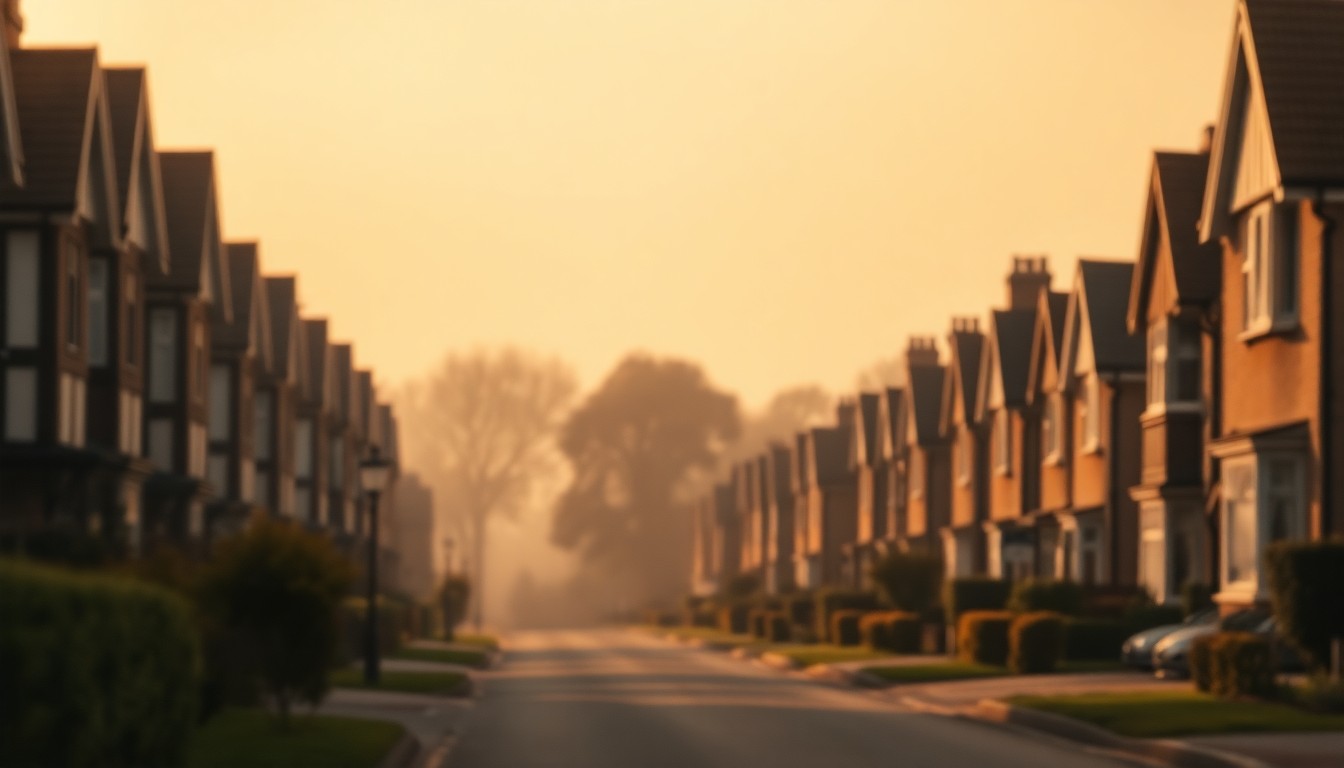 The tranquil, picturesque streets of Garden City, New York, belie the community's transformation from a middle-class planned development to one of America's wealthiest suburbs.Garden City Today
Garden City, New York, has evolved from Alexander Turney Stewart's 19th-century vision of a middle-class planned community into one of the most desirable and affluent suburbs in the country, with a median household income over $290,000 and an average home value of $1.29 million.
Why it matters
Garden City's transformation from a planned middle-class community to an ultra-wealthy enclave highlights the dramatic socioeconomic changes that have reshaped many American suburbs over the past century. The story also illustrates how the innovations and ambitions of a single pioneering businessman can have lasting impacts on the built environment.
The details
In 1869, Stewart purchased over 7,000 acres of the Hempstead Plains on Long Island, an area dismissed by many locals as a "wasteland." He envisioned creating a planned community with Tudor Revival and Victorian Gothic-style homes, a 30-acre park, a hotel, and a commercial district. Initially marketed to the middle class, all homes and businesses were only available for rent, with an average annual rate of $400 per residence.
- In 1869, Stewart purchased 7,170 acres of the Hempstead Plains for $394,350.
- On April 11, 1876, Stewart died at the age of 73.
- Today, Garden City has an estimated population of 23,000 people.
The players
Alexander Turney Stewart
An Irish immigrant who built one of America's first department store empires and developed the planned community of Garden City, Long Island.
The takeaway
Garden City's transformation from a middle-class planned community to an ultra-affluent suburb illustrates the dramatic socioeconomic shifts that have reshaped many American suburbs, as well as the lasting impact that a single pioneering businessman can have on the built environment.