- Today
- Holidays
- Birthdays
- Reminders
- Cities
- Atlanta
- Austin
- Baltimore
- Berwyn
- Beverly Hills
- Birmingham
- Boston
- Brooklyn
- Buffalo
- Charlotte
- Chicago
- Cincinnati
- Cleveland
- Columbus
- Dallas
- Denver
- Detroit
- Fort Worth
- Houston
- Indianapolis
- Knoxville
- Las Vegas
- Los Angeles
- Louisville
- Madison
- Memphis
- Miami
- Milwaukee
- Minneapolis
- Nashville
- New Orleans
- New York
- Omaha
- Orlando
- Philadelphia
- Phoenix
- Pittsburgh
- Portland
- Raleigh
- Richmond
- Rutherford
- Sacramento
- Salt Lake City
- San Antonio
- San Diego
- San Francisco
- San Jose
- Seattle
- Tampa
- Tucson
- Washington
Cancer Care Neglected in Conflict Zones
New review highlights structural, ethical, and policy barriers limiting access to oncology services for vulnerable populations.
Apr. 14, 2026 at 1:50am
Got story updates? Submit your updates here. ›
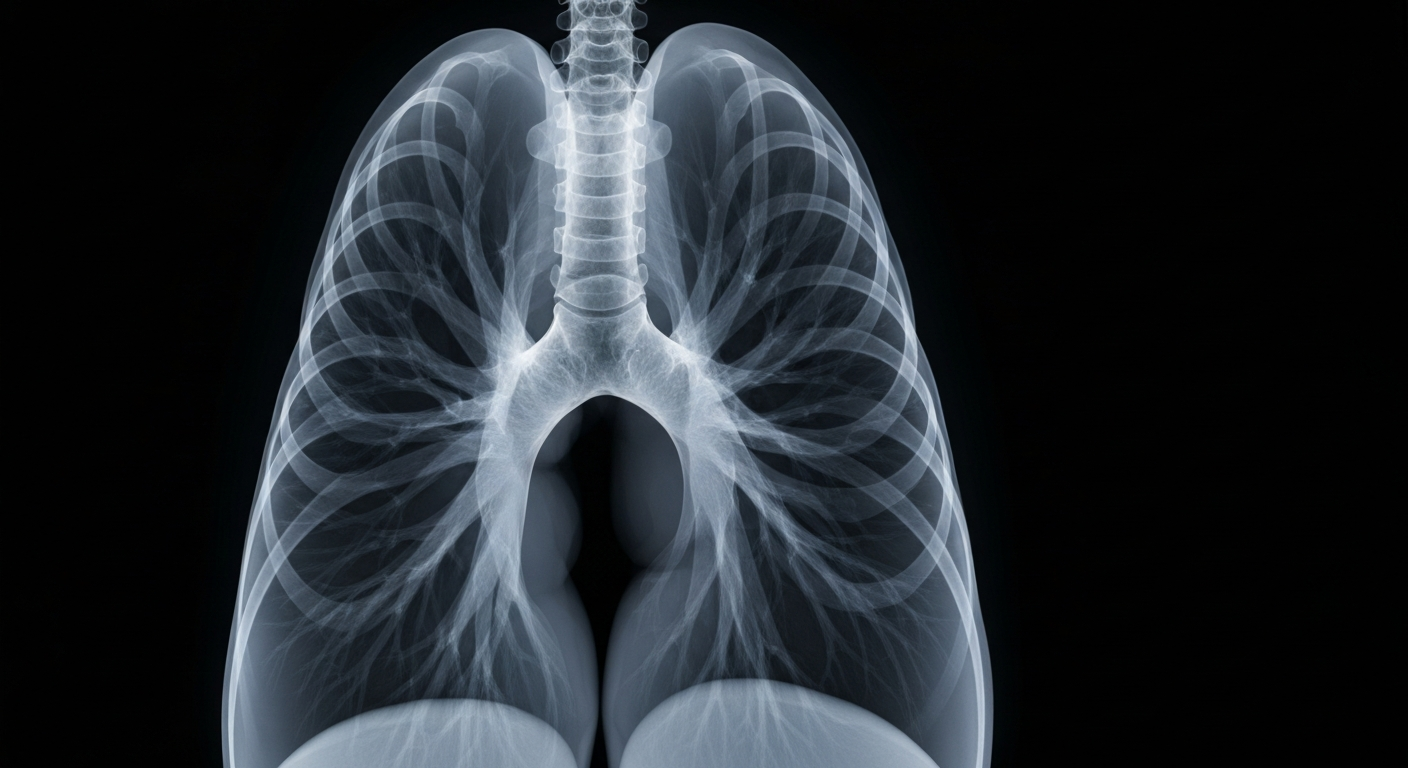 An X-ray view of a vulnerable lung highlights the critical need to prioritize cancer care for displaced populations affected by conflict.Buffalo Today
A new study published in Oncotarget examines the critical lack of cancer care for refugees, migrants, and populations affected by conflict. The review, led by researchers from AIIMS Bibinagar in India, found that oncology services are often excluded from emergency health priorities, resulting in delayed diagnosis, treatment interruptions, and reduced access to palliative care for vulnerable groups.
Why it matters
Addressing cancer in humanitarian crises is a moral imperative, as disrupted infrastructure, legal constraints, and fragmented policies disproportionately impact women, children, and the elderly who often present with advanced disease stages due to delays in care. Integrating oncology into humanitarian response frameworks is essential to ensure equitable access to cancer treatment and improve outcomes for displaced populations.
The details
The study reviewed evidence from peer-reviewed studies, global health reports, and case examples from regions such as Gaza, Sudan, and Ukraine. The findings show that oncology services are often excluded from emergency health priorities, leading to delayed diagnosis, treatment interruptions, and reduced access to palliative care. The authors emphasize the need for coordinated global strategies, including cross-border care models, tele-oncology, and policy reform, to address this critical gap in global health systems.
- The study was published on March 31, 2026 in Volume 17 of Oncotarget.
- The review was led by researchers from AIIMS Bibinagar, Telangana, India.
The players
Pragnesh Parmar
The corresponding author of the study and a researcher from AIIMS Bibinagar, Telangana, India.
Gunvanti Rathod
A co-author of the study and a researcher from AIIMS Bibinagar, Telangana, India.
What’s next
The authors emphasize the need for coordinated global strategies, including cross-border care models, tele-oncology, and policy reform, to address the critical gap in cancer care for populations affected by conflict and humanitarian crises.
The takeaway
This study highlights the urgent need to integrate oncology services into humanitarian response frameworks to ensure equitable access to cancer treatment and improve outcomes for vulnerable populations displaced by conflict and crisis.
Buffalo top stories



Buffalo events

Apr. 14, 2026
Magnolia Park – Nights After VAMP Tour
Apr. 14, 2026
Water for Elephants (Touring)
Apr. 14, 2026
Magnolia Park (16 and Over)