- Today
- Holidays
- Birthdays
- Reminders
- Cities
- Atlanta
- Austin
- Baltimore
- Berwyn
- Beverly Hills
- Birmingham
- Boston
- Brooklyn
- Buffalo
- Charlotte
- Chicago
- Cincinnati
- Cleveland
- Columbus
- Dallas
- Denver
- Detroit
- Fort Worth
- Houston
- Indianapolis
- Knoxville
- Las Vegas
- Los Angeles
- Louisville
- Madison
- Memphis
- Miami
- Milwaukee
- Minneapolis
- Nashville
- New Orleans
- New York
- Omaha
- Orlando
- Philadelphia
- Phoenix
- Pittsburgh
- Portland
- Raleigh
- Richmond
- Rutherford
- Sacramento
- Salt Lake City
- San Antonio
- San Diego
- San Francisco
- San Jose
- Seattle
- Tampa
- Tucson
- Washington
Baldwin Today
By the People, for the People
Long Island Bagel Chain Owners Plan $20.8M Apartment Development
The new 58-unit complex will replace the partners' former cafe and commissary kitchen in Baldwin.
Apr. 10, 2026 at 6:29am
Got story updates? Submit your updates here. ›
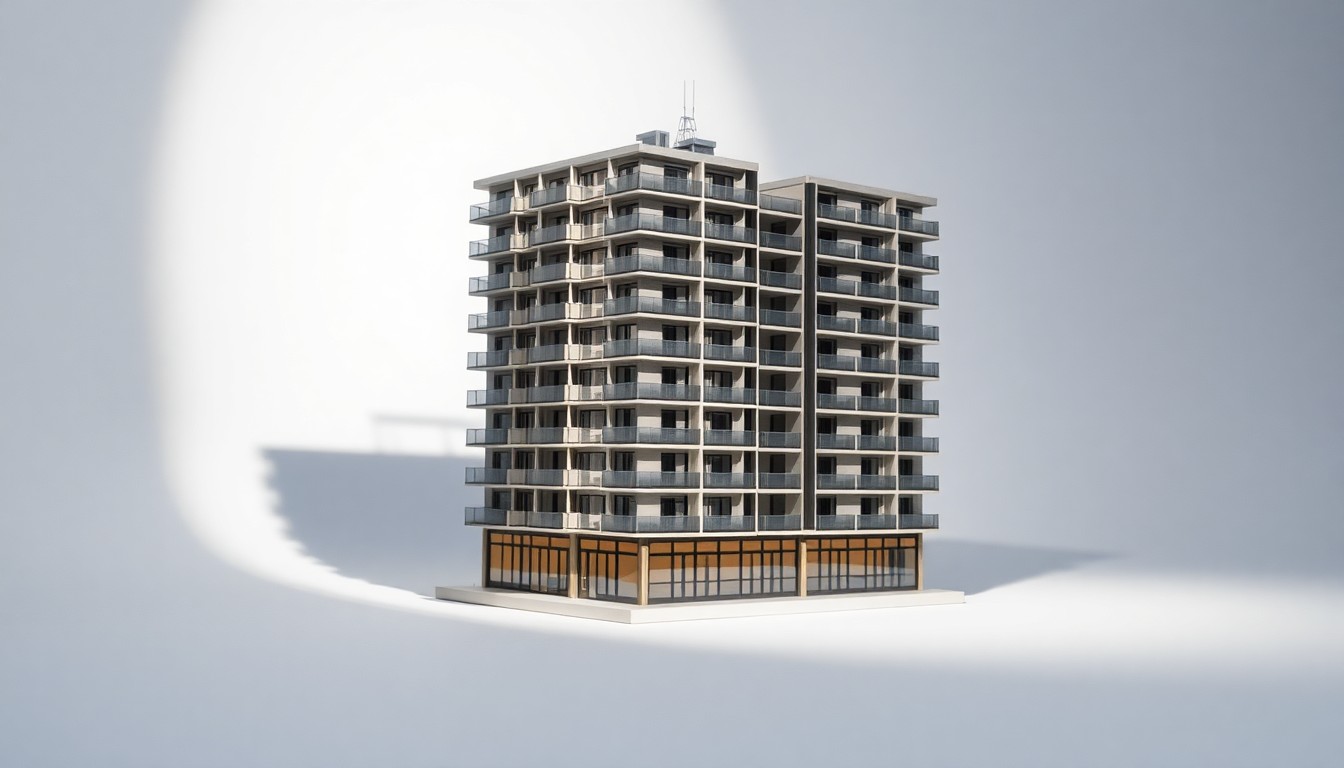 A local bagel chain's redevelopment of its former commercial space into new apartments highlights the role of private investment in addressing Long Island's housing needs.Baldwin Today
Two business partners behind a Long Island bagel chain are planning to transform their old cafe and commissary kitchen in Baldwin, New York into a new $20.8 million, 58-unit apartment development. The project will be supported by tax incentives.
Why it matters
As Long Island continues to face a housing shortage, this new apartment complex represents an effort by local business owners to redevelop underutilized commercial spaces into much-needed residential units. The project also highlights the role that tax incentives can play in encouraging private investment in community development.
The details
Randy Narod and Joseph Anzalone, the owners of the Long Island bagel chain, are behind the planned $20.8 million apartment development in Baldwin. The 58-unit complex will replace the partners' former cafe and commissary kitchen in the area.
- The apartment development project was announced in April 2026.
The players
Randy Narod
One of the business partners behind a Long Island bagel chain who is planning the new $20.8 million apartment development in Baldwin.
Joseph Anzalone
One of the business partners behind a Long Island bagel chain who is planning the new $20.8 million apartment development in Baldwin.
The takeaway
This project showcases how local businesses can play a role in addressing community needs, such as the housing shortage on Long Island, by redeveloping their own underutilized commercial spaces into new residential units with the help of tax incentives.