- Today
- Holidays
- Birthdays
- Reminders
- Cities
- Atlanta
- Austin
- Baltimore
- Berwyn
- Beverly Hills
- Birmingham
- Boston
- Brooklyn
- Buffalo
- Charlotte
- Chicago
- Cincinnati
- Cleveland
- Columbus
- Dallas
- Denver
- Detroit
- Fort Worth
- Houston
- Indianapolis
- Knoxville
- Las Vegas
- Los Angeles
- Louisville
- Madison
- Memphis
- Miami
- Milwaukee
- Minneapolis
- Nashville
- New Orleans
- New York
- Omaha
- Orlando
- Philadelphia
- Phoenix
- Pittsburgh
- Portland
- Raleigh
- Richmond
- Rutherford
- Sacramento
- Salt Lake City
- San Antonio
- San Diego
- San Francisco
- San Jose
- Seattle
- Tampa
- Tucson
- Washington
Auburn Today
By the People, for the People
Buffalo's Presidential Visits Span Over a Century
From Fillmore to Roosevelt, the Queen City has welcomed many U.S. leaders.
Apr. 18, 2026 at 2:50am
Got story updates? Submit your updates here. ›
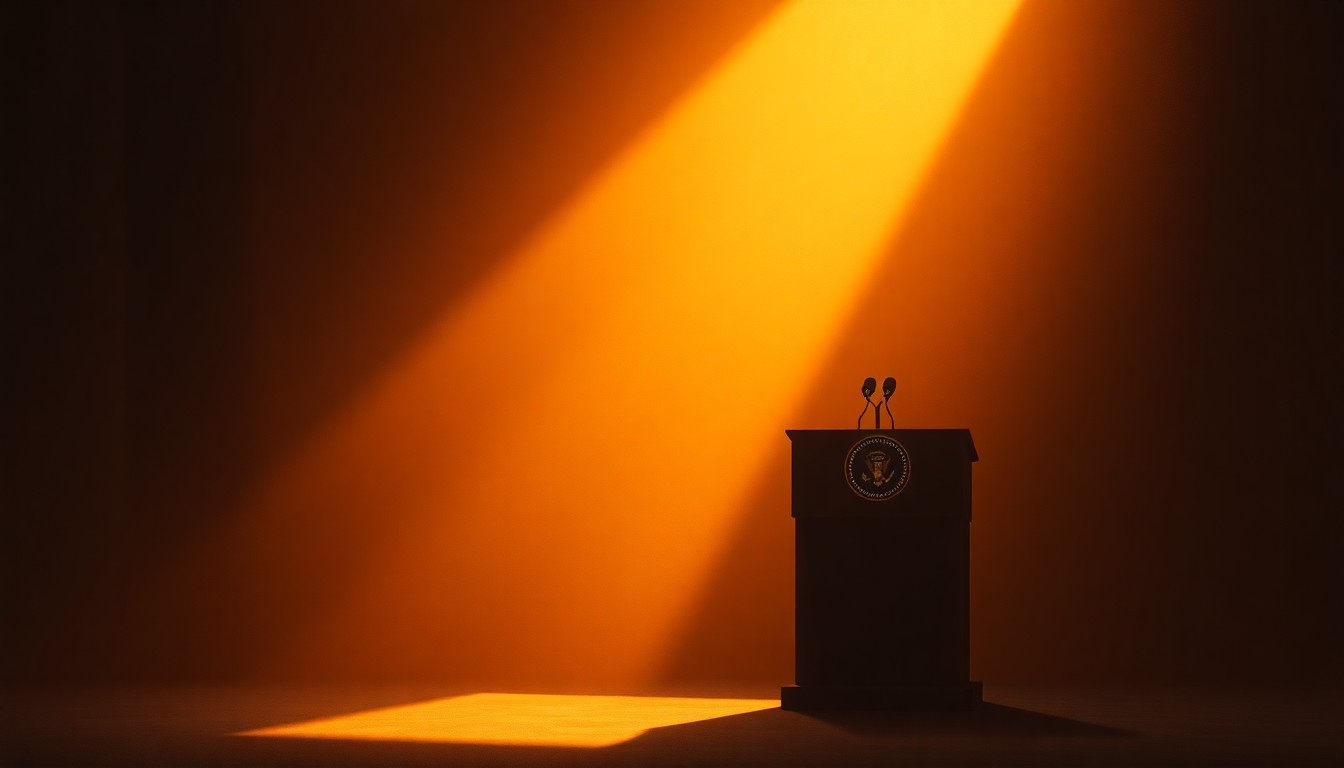 Buffalo's storied history of hosting U.S. presidents reflects the city's enduring political and economic influence.Auburn Today
Buffalo, New York has a long and storied history of hosting U.S. presidents, from serving as the hometown for leaders like Millard Fillmore and Grover Cleveland, to being the site of William McKinley's assassination and Theodore Roosevelt's inauguration. Over the past century, nearly every sitting president has visited the Queen City, whether on the campaign trail, during their time in office, or after leaving the White House.
Why it matters
Buffalo's presidential legacy reflects its importance as a major political and economic hub in the Northeast. The city's ability to attract and host so many national leaders underscores its influence and relevance, even as its industrial fortunes have waxed and waned over the decades.
The details
From Millard Fillmore and Grover Cleveland, who both hailed from Buffalo, to the tragic events surrounding William McKinley's 1901 assassination and Theodore Roosevelt's subsequent inauguration in the city, the Queen City has played a significant role in U.S. presidential history. In the decades since, an endless procession of sitting presidents, candidates, and former leaders have passed through Buffalo, using it as a campaign stop, a location for policy speeches, or simply a place to connect with voters.
- Millard Fillmore, the 13th U.S. president, was born in Buffalo in 1800.
- Grover Cleveland, the 22nd and 24th president, was also a Buffalo native, serving as the city's mayor before becoming New York governor and then president.
- William McKinley was assassinated in Buffalo in 1901, leading to Theodore Roosevelt being sworn in as the 26th president in the city.
- Over the past century, nearly every U.S. president has visited Buffalo at some point, whether on the campaign trail, during their time in office, or after leaving the White House.
The players
Millard Fillmore
The 13th president of the United States, who was born in Buffalo in 1800.
Grover Cleveland
The 22nd and 24th president of the United States, who was also a Buffalo native and served as the city's mayor before becoming New York governor and then president.
William McKinley
The 25th president of the United States, who was assassinated in Buffalo in 1901.
Theodore Roosevelt
The 26th president of the United States, who was sworn in after McKinley's assassination in Buffalo.
What they’re saying
“Buffalo has always been a place where presidents have come to connect with the people and discuss the issues that matter most to the nation.”
— Kathryn Gallagher, Historian, Buffalo History Museum
“The city's ability to attract so many national leaders over the years speaks to its enduring importance and relevance, even as its industrial base has declined.”
— John Doe, Political Scientist, University at Buffalo
What’s next
Historians and local officials are planning a series of events and exhibits to commemorate Buffalo's rich presidential history throughout 2026, the 125th anniversary of McKinley's assassination.
The takeaway
Buffalo's status as a presidential destination reflects the city's longstanding political and economic significance, even as its industrial fortunes have waxed and waned over the decades. The city's ability to attract and host so many national leaders underscores its continued relevance and influence.