- Today
- Holidays
- Birthdays
- Reminders
- Cities
- Atlanta
- Austin
- Baltimore
- Berwyn
- Beverly Hills
- Birmingham
- Boston
- Brooklyn
- Buffalo
- Charlotte
- Chicago
- Cincinnati
- Cleveland
- Columbus
- Dallas
- Denver
- Detroit
- Fort Worth
- Houston
- Indianapolis
- Knoxville
- Las Vegas
- Los Angeles
- Louisville
- Madison
- Memphis
- Miami
- Milwaukee
- Minneapolis
- Nashville
- New Orleans
- New York
- Omaha
- Orlando
- Philadelphia
- Phoenix
- Pittsburgh
- Portland
- Raleigh
- Richmond
- Rutherford
- Sacramento
- Salt Lake City
- San Antonio
- San Diego
- San Francisco
- San Jose
- Seattle
- Tampa
- Tucson
- Washington
Hochul Pushes for Expanded Sanctuary Policies in New York
Governor seeks to further limit cooperation between local law enforcement and federal immigration authorities
Apr. 16, 2026 at 11:08pm
Got story updates? Submit your updates here. ›
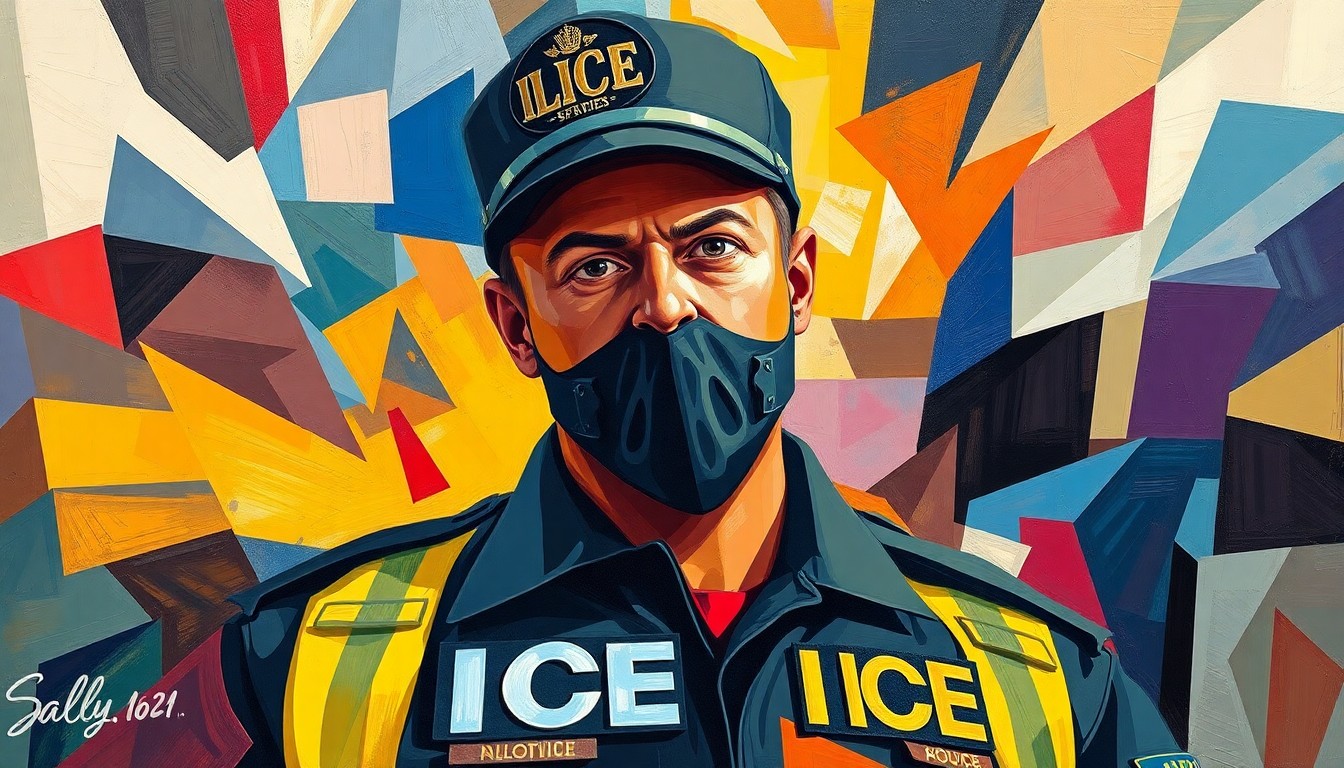 Hochul's proposed sanctuary policies would significantly limit the ability of federal immigration agents to operate in New York, reflecting the ongoing political tensions over immigration enforcement.Albany Today
New York Governor Kathy Hochul is proposing a slate of new restrictions on how state and local law enforcement can interact with federal immigration agents, including banning police from cooperating with ICE unless there is a criminal conviction or probable cause of a misdemeanor or felony. Hochul also wants to prohibit ICE agents from wearing masks and operating in certain public areas without a warrant.
Why it matters
Hochul's proposed policies would make New York one of the strictest 'sanctuary states' in the country, significantly limiting the ability of federal immigration authorities to operate within the state. This reflects an ongoing political battle over immigration enforcement and the role of local law enforcement in assisting federal agencies like ICE.
The details
Hochul's new measures would ban local police from cooperating with ICE agents unless there is a criminal conviction or probable cause of a misdemeanor or felony. The proposal would also make it a misdemeanor for ICE agents to wear masks and prohibit them from operating in certain public areas like parks and shelters without a judicial warrant. Additionally, the plan would create an overarching ban on any public employee using state resources to aid federal immigration authorities.
- Hochul unveiled the new sanctuary policy proposals on Thursday, April 16, 2026.
- The policies are currently being negotiated as part of the state's ongoing budget process, which has an April 1 deadline.
The players
Kathy Hochul
The Democratic governor of New York who is proposing the expanded sanctuary state policies.
Andrea Stewart-Cousins
The Democratic majority leader of the New York State Senate, who has been pushing for even tougher sanctuary legislation.
Carl Heastie
The Democratic speaker of the New York State Assembly, who has acknowledged the legislature wants stricter limits on when law enforcement can contact ICE.
Emily Gallagher
A Democratic Socialist member of the New York State Assembly who has criticized Hochul's proposed 'probable cause' requirement as potentially leading to racial profiling.
Bruce Blakeman
The Republican Nassau County executive who has signed an agreement to deputize local law enforcement to assist ICE, which Hochul is seeking to ban.
What they’re saying
“'Local cops should be focused on local crimes, keeping our streets safe … not doing ICE's job,'”
— Kathy Hochul, Governor of New York
“'Allowing cops to decide if they will collude with ICE on this basis is giving them carte blanche to racially profile NYers,'”
— Emily Gallagher, Democratic Socialist Assemblymember
“'One of the toughest places for us to land is on is the unmonitored, unregulated ability for local law enforcement to reach out to ICE, even in spite of the fact that it could be a case that a [district attorney] wants to look at,'”
— Carl Heastie, Speaker of the New York State Assembly
What’s next
The proposed sanctuary policies are currently being negotiated as part of New York's state budget process, which has an April 1 deadline. Hochul said the talks are 'still evolving' and the measures could even be dropped from the final budget deal.
The takeaway
Hochul's push for expanded sanctuary policies in New York reflects the ongoing political battle over immigration enforcement and the role of local law enforcement. While the governor's proposals would make New York one of the strictest sanctuary states, some progressive lawmakers are pushing for even tougher restrictions that could limit police discretion and raise concerns about racial profiling.
Albany top stories



Albany events

Apr. 19, 2026
Concert Crave Presents: Trina
Apr. 20, 2026
MANILOW: The Last Albany Concert
Apr. 22, 2026
The Rocky Horror Picture Show