- Today
- Holidays
- Birthdays
- Reminders
- Cities
- Atlanta
- Austin
- Baltimore
- Berwyn
- Beverly Hills
- Birmingham
- Boston
- Brooklyn
- Buffalo
- Charlotte
- Chicago
- Cincinnati
- Cleveland
- Columbus
- Dallas
- Denver
- Detroit
- Fort Worth
- Houston
- Indianapolis
- Knoxville
- Las Vegas
- Los Angeles
- Louisville
- Madison
- Memphis
- Miami
- Milwaukee
- Minneapolis
- Nashville
- New Orleans
- New York
- Omaha
- Orlando
- Philadelphia
- Phoenix
- Pittsburgh
- Portland
- Raleigh
- Richmond
- Rutherford
- Sacramento
- Salt Lake City
- San Antonio
- San Diego
- San Francisco
- San Jose
- Seattle
- Tampa
- Tucson
- Washington
Senate Republicans Signal Shift on Trump's Iran War Powers
Collins and Tillis say they may vote to limit military action if it exceeds 60-day mark
Apr. 17, 2026 at 3:21pm
Got story updates? Submit your updates here. ›
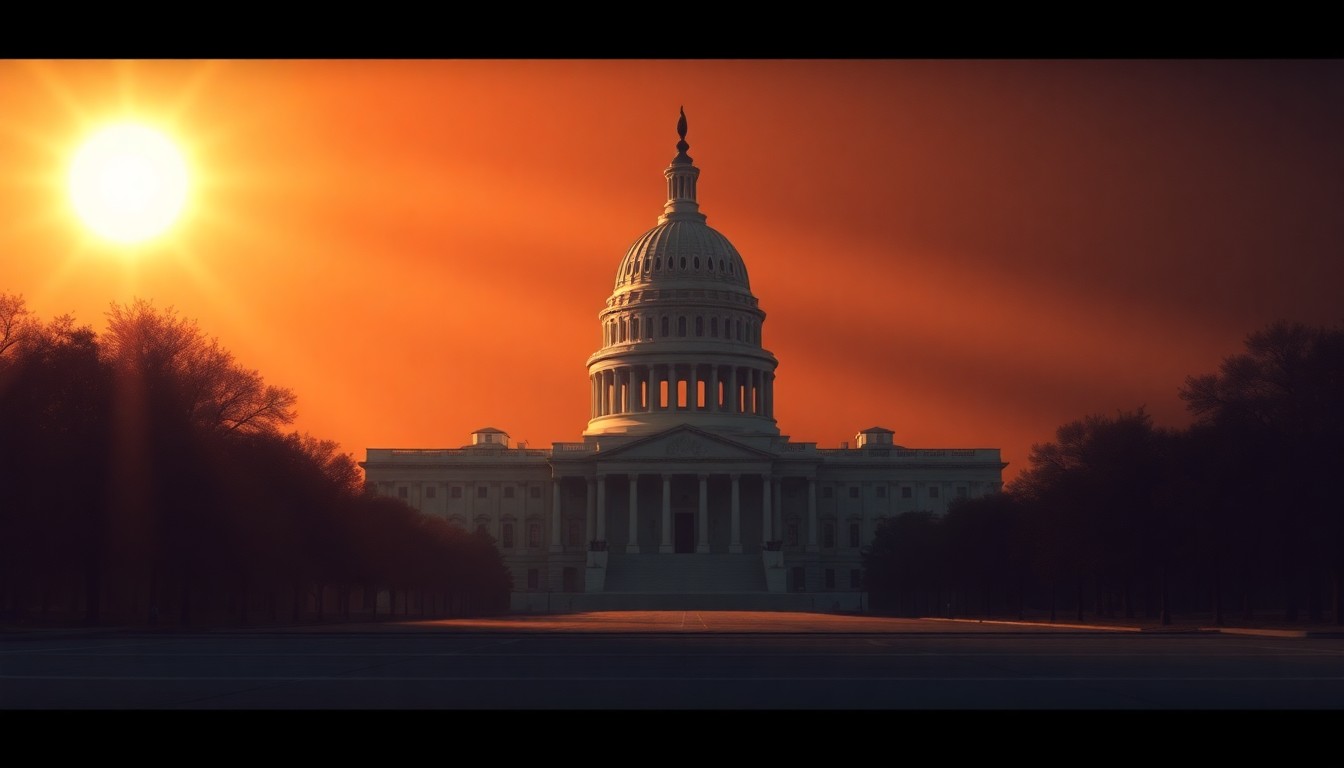 As the 60-day mark approaches for the U.S. military campaign against Iran, growing bipartisan unease over the open-ended conflict exposes deeper divisions in Congress over the president's war powers.Las Vegas Today
Two Senate Republicans, Susan Collins and Thom Tillis, have signaled that they may be willing to vote to limit President Trump's ability to continue military action against Iran without congressional approval if the conflict stretches past the 60-day mark set by the War Powers Resolution. This marks a shift from their previous opposition to Democratic-led efforts to constrain Trump's war powers.
Why it matters
The War Powers Resolution is a law designed to limit the president's authority to wage war abroad without the consent of Congress. The approaching 60-day threshold in the Iran conflict has exposed a deepening rift among Senate Republicans, with some lawmakers growing wary about how long the operation could last.
The details
Collins and Tillis, both Republican senators, have signaled that they may vote to require Trump to obtain congressional authorization to continue military action against Iran if the conflict goes beyond 60 days. This is a shift from their previous opposition to Democratic attempts to constrain Trump's war powers. The War Powers Resolution requires the president to notify Congress within 48 hours of military action and bars armed forces from remaining for longer than 60 days without congressional approval.
- The U.S. military campaign in Iran began on February 28 with joint U.S.-Israel strikes.
- The 60-day mark under the War Powers Resolution is quickly approaching.
The players
Susan Collins
A centrist Republican senator from Maine who previously rejected Democratic efforts to limit Trump's war powers but now says she would likely vote to authorize further hostilities if the conflict continues past 60 days.
Thom Tillis
A Republican senator from North Carolina who is not running for re-election and has similarly signaled that he would find it difficult to support continuing the conflict in Iran beyond the 60-day mark without congressional authorization.
Rand Paul
A Republican senator from Kentucky who sided with Democrats in a recent vote to constrain Trump's war powers.
John Fetterman
A Democratic senator from Pennsylvania who opposed a recent Republican-led effort to block a war powers vote.
Lisa Murkowski
A Republican senator from Alaska who has been working with other Senate Republicans on a resolution to authorize military force against Iran beyond 60 days.
What they’re saying
“It is very likely that I would vote not to authorize further hostilities.”
— Susan Collins, Senator
“Sixty days is important with respect to the War Powers Resolution, and I'm not quite clear what the strategic objectives are.”
— Thom Tillis, Senator
What’s next
The 60-day mark under the War Powers Resolution is quickly approaching, and senators like Collins and Tillis have signaled they may vote to require Trump to obtain congressional authorization to continue military action against Iran if the conflict goes beyond that threshold.
The takeaway
The deepening rift among Senate Republicans over the Iran conflict highlights the ongoing tensions between the executive and legislative branches over war powers. As the 60-day mark nears, Congress may assert its authority to check the president's ability to wage war without its consent.