- Today
- Holidays
- Birthdays
- Reminders
- Cities
- Atlanta
- Austin
- Baltimore
- Berwyn
- Beverly Hills
- Birmingham
- Boston
- Brooklyn
- Buffalo
- Charlotte
- Chicago
- Cincinnati
- Cleveland
- Columbus
- Dallas
- Denver
- Detroit
- Fort Worth
- Houston
- Indianapolis
- Knoxville
- Las Vegas
- Los Angeles
- Louisville
- Madison
- Memphis
- Miami
- Milwaukee
- Minneapolis
- Nashville
- New Orleans
- New York
- Omaha
- Orlando
- Philadelphia
- Phoenix
- Pittsburgh
- Portland
- Raleigh
- Richmond
- Rutherford
- Sacramento
- Salt Lake City
- San Antonio
- San Diego
- San Francisco
- San Jose
- Seattle
- Tampa
- Tucson
- Washington
White Sands Today
By the People, for the People
Artemis II Breaks Data Transmission Records with Laser Communications
NASA's latest lunar mission pushes the boundaries of space data transfer, leaving Apollo 13's radio limits far behind.
Apr. 18, 2026 at 6:35pm
Got story updates? Submit your updates here. ›
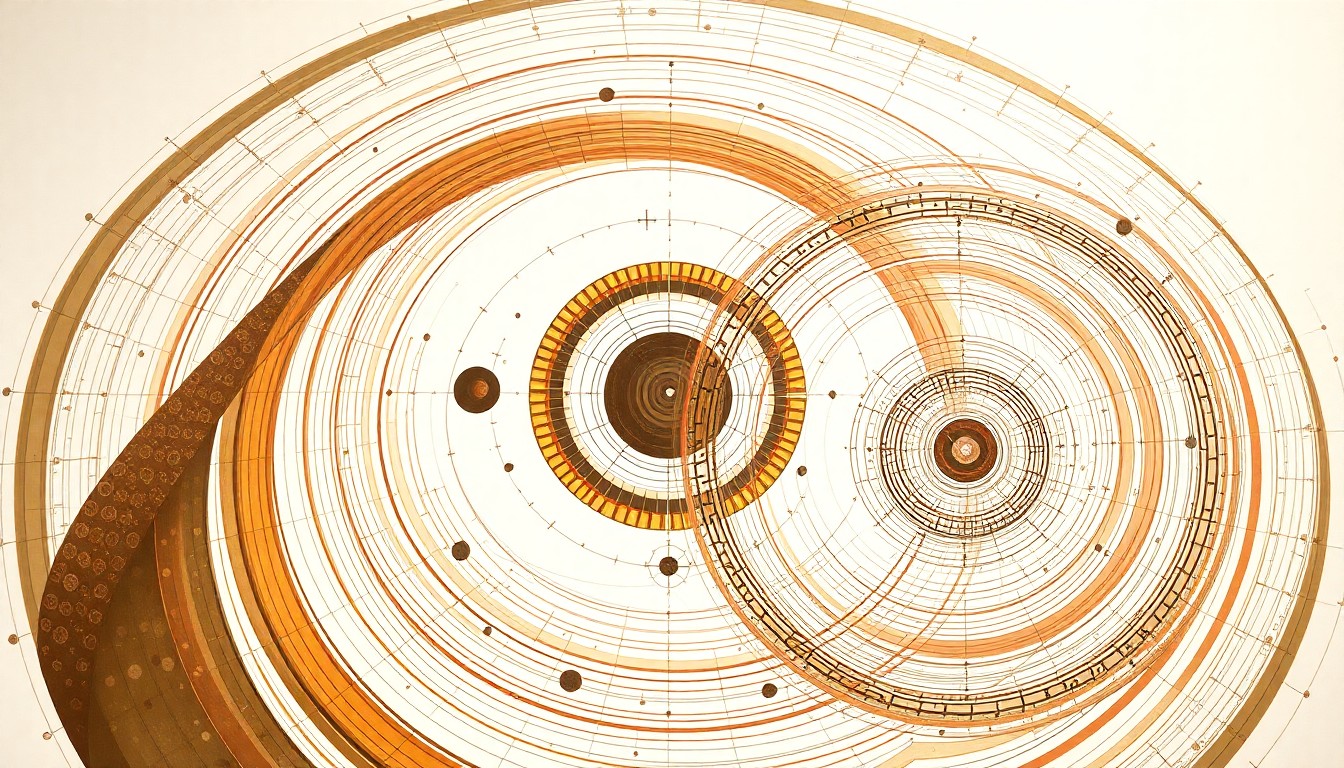 The Artemis II mission's revolutionary laser communications system enabled the transmission of unprecedented volumes of data, pushing the boundaries of space exploration.White Sands Today
NASA's Artemis II mission has shattered data transmission records, generating over 400GB of high-resolution imagery and telemetry - far exceeding the capacity of Apollo 13's decades-old radio systems. To handle this data explosion, engineers turned to laser communications, which can transmit up to 100,000 times more information than traditional radio. The Orion Artemis II Optical Communications System (O2O) demonstrated the ability to downlink over 100GB of data in a single hour, a remarkable leap forward that has raised questions about the pace of adoption for this transformative technology.
Why it matters
The shift to laser communications represents a fundamental overhaul in how spacecraft communicate with Earth, enabling far more data to be transmitted in real-time. This has significant implications for crew safety, mission operations, and scientific discoveries, as NASA noted 'More data means more discoveries.' However, the new system also comes with earthly limitations, requiring specialized ground stations with ideal weather conditions to maintain a strong laser link.
The details
Traditional radio frequencies could not handle the massive data volumes generated by modern lunar missions like Artemis II, which was expected to produce between 300GB and 400GB of imagery and telemetry. In contrast, the Apollo 13 mission operated with a fraction of that capacity. To overcome this, engineers turned to laser communications, which use invisible infrared light to transmit data at much higher speeds than radio waves. The O2O terminal, comprising a 4-inch telescope, two gimbals, a modem, and a controller, was able to downlink over 100GB of data in a single hour - outpacing traditional radio systems by a factor of 100,000.
- Artemis II was expected to produce between 300GB and 400GB of data by the mission's end.
- The Orion Artemis II Optical Communications System (O2O) demonstrated the ability to downlink over 100GB of data in a single hour.
The players
NASA
The United States National Aeronautics and Space Administration, the government agency responsible for the Artemis II mission and the development of the Orion Artemis II Optical Communications System (O2O).
Orion Artemis II Optical Communications System (O2O)
The laser communications system used on the Artemis II mission, comprising a 4-inch telescope, two gimbals, a modem, and a controller, which enabled the transmission of over 100GB of data in a single hour.
Apollo 13
The NASA mission from the 1960s that operated with a fraction of the data capacity of the modern Artemis II mission, highlighting the dramatic technological leap in space communications.
What they’re saying
“More data means more discoveries.”
— NASA
What’s next
While the Artemis II mission demonstrated the impressive capabilities of laser communications, the system was not used on the subsequent Artemis III mission, raising questions about the pace of adoption for this transformative technology. The real test will be whether laser communications prove reliable over deep-space distances without frequent ground-station interventions.
The takeaway
The shift to laser communications for the Artemis II mission represents a fundamental breakthrough in space data transmission, enabling NASA to handle the exponential growth in data generated by modern lunar missions. This technology has the potential to unlock new scientific discoveries and improve mission operations, but its long-term reliability and scalability remain to be proven in the harsh conditions of deep space.