- Today
- Holidays
- Birthdays
- Reminders
- Cities
- Atlanta
- Austin
- Baltimore
- Berwyn
- Beverly Hills
- Birmingham
- Boston
- Brooklyn
- Buffalo
- Charlotte
- Chicago
- Cincinnati
- Cleveland
- Columbus
- Dallas
- Denver
- Detroit
- Fort Worth
- Houston
- Indianapolis
- Knoxville
- Las Vegas
- Los Angeles
- Louisville
- Madison
- Memphis
- Miami
- Milwaukee
- Minneapolis
- Nashville
- New Orleans
- New York
- Omaha
- Orlando
- Philadelphia
- Phoenix
- Pittsburgh
- Portland
- Raleigh
- Richmond
- Rutherford
- Sacramento
- Salt Lake City
- San Antonio
- San Diego
- San Francisco
- San Jose
- Seattle
- Tampa
- Tucson
- Washington
White Sands Today
By the People, for the People
9 US National Parks That Feel Like Another Planet
From gypsum dunes to volcanic peaks, these parks offer otherworldly landscapes that captivate modern travelers.
Apr. 6, 2026 at 3:09pm
Got story updates? Submit your updates here. ›
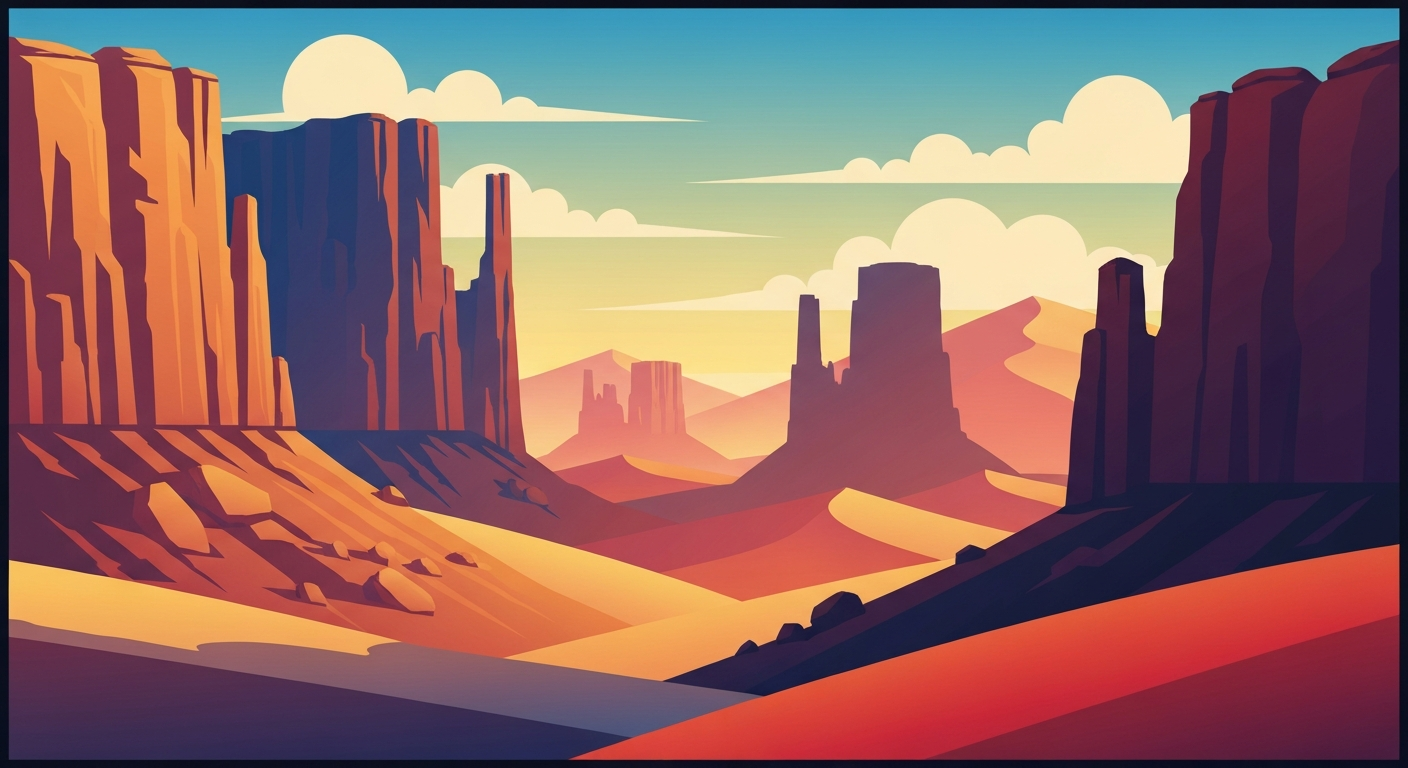 As the National Park system draws more visitors seeking 'alien' landscapes, managing the balance between accessibility and preservation will be crucial.White Sands Today
The U.S. National Park system has evolved to meet the growing demand for 'otherworldly' travel experiences, with parks like White Sands, Death Valley, and Bryce Canyon offering landscapes that feel more alien than terrestrial. These parks leverage their extreme environments, from salt flats to volcanic peaks, to attract a new generation of adventure-seeking tourists seeking Instagrammable vistas and a sense of exploration.
Why it matters
As the 'experience economy' drives more travelers to seek out unique, visually striking destinations, the National Park system has become a prime driver of domestic tourism. However, the influx of visitors to these remote, fragile environments raises questions about the parks' ability to sustainably manage demand without compromising the very qualities that make them appealing.
The details
Parks like White Sands, Great Sand Dunes, and Death Valley leverage stark contrasts - snow-like gypsum dunes, towering rock spires, and extreme elevation changes - to create a sense of 'otherworldliness' that captivates modern travelers. Bryce Canyon's hoodoos, the Badlands' fossil-rich rock formations, and Arizona's Petrified Forest add a geological and historical dimension to the 'alien' aesthetic. The most remote parks, like Hawaii Volcanoes and Alaska's Kobuk Valley, require specialized access like timed-entry reservations and flightseeing tours, turning a park visit into a high-cost, exclusive experience.
- The National Park system has evolved over decades to become a primary driver of the domestic 'experience economy'.
- Demand for 'otherworldly' landscapes has surged in recent years, as travelers seek out visually striking destinations.
The players
National Park Foundation
The nonprofit organization that supports the protection of over 400 national parks, preserving more than 84 million acres of ecosystems and historical sites.
What’s next
As visitation to these remote, fragile parks continues to grow, park managers will need to explore innovative solutions to balance accessibility and sustainability, such as timed-entry reservations and specialized transportation options.
The takeaway
The National Park system's ability to offer 'alien' landscapes has become a major draw for modern travelers, but maintaining the delicate balance between tourism and preservation will be crucial to ensuring these natural wonders remain protected for future generations.