- Today
- Holidays
- Birthdays
- Reminders
- Cities
- Atlanta
- Austin
- Baltimore
- Berwyn
- Beverly Hills
- Birmingham
- Boston
- Brooklyn
- Buffalo
- Charlotte
- Chicago
- Cincinnati
- Cleveland
- Columbus
- Dallas
- Denver
- Detroit
- Fort Worth
- Houston
- Indianapolis
- Knoxville
- Las Vegas
- Los Angeles
- Louisville
- Madison
- Memphis
- Miami
- Milwaukee
- Minneapolis
- Nashville
- New Orleans
- New York
- Omaha
- Orlando
- Philadelphia
- Phoenix
- Pittsburgh
- Portland
- Raleigh
- Richmond
- Rutherford
- Sacramento
- Salt Lake City
- San Antonio
- San Diego
- San Francisco
- San Jose
- Seattle
- Tampa
- Tucson
- Washington
New Mexico Faces Third Year of Extreme Drought
Low snowpack and record early snowmelt threaten water supply and fire danger
Apr. 18, 2026 at 12:09am
Got story updates? Submit your updates here. ›
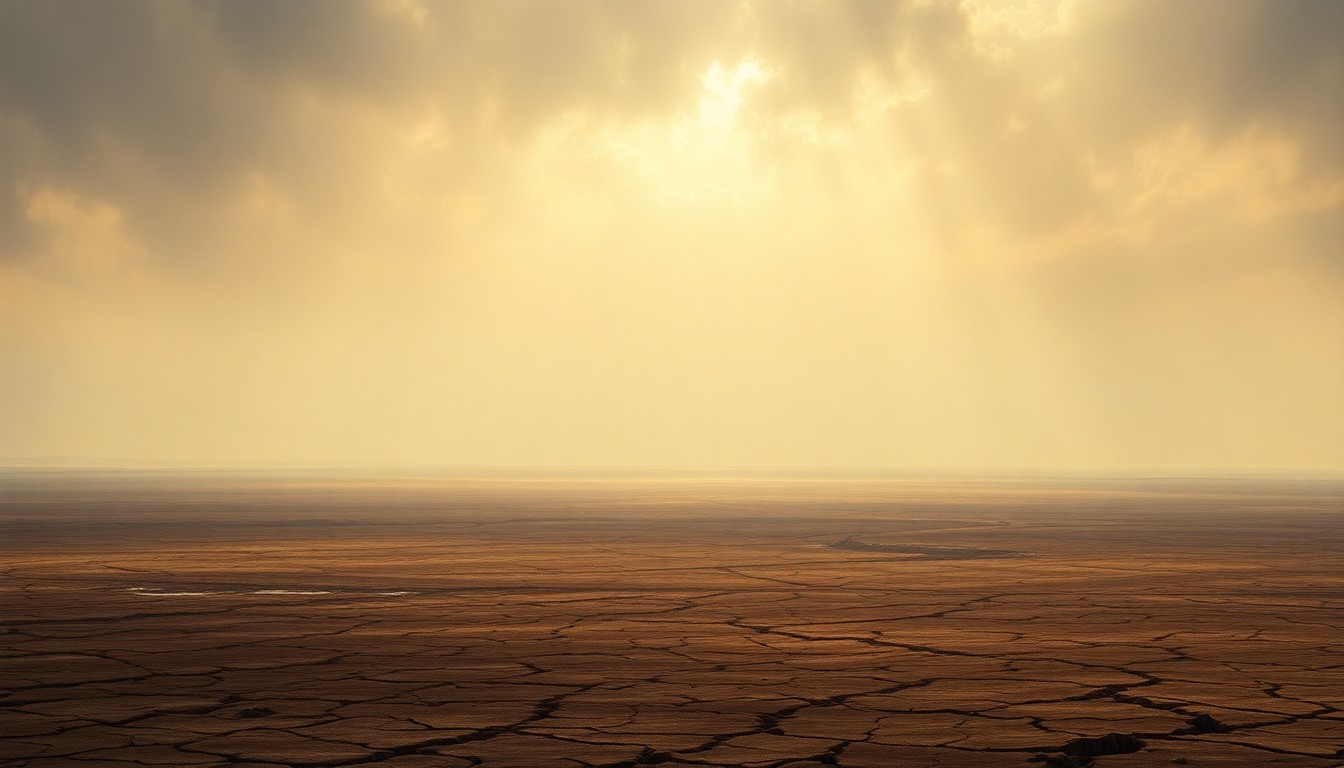 As New Mexico enters its third year of extreme drought, the state's dwindling water resources and vulnerable landscapes face an uncertain future.Albuquerque Today
Federal water managers in New Mexico say the state is heading into its third straight year of extreme drought, with the snow water equivalent on several mountain ranges across Northern New Mexico and Southern Colorado at just a fraction of the median. The early snowmelt has led to river drying in some areas, and major reservoirs like El Vado and Elephant Butte are at only 13% of capacity. While the National Weather Service predicts a near-average monsoon season, officials warn that without significant rainfall, Elephant Butte could drop to just 1-2% of capacity by late August.
Why it matters
The ongoing drought in New Mexico has major implications for water supply, irrigation, and fire danger across the state. With reservoirs at critically low levels and snowpack melting earlier than usual, the state faces the prospect of severe water shortages and heightened wildfire risk in the coming months.
The details
The U.S.D.A.'s Natural Resources Conservation Service measured the snow water equivalent on several mountain ranges across Northern New Mexico and Southern Colorado on April 14, finding it at just a fraction of the median based on records from 1991-2020. The Bureau of Reclamation says New Mexico has also seen the earliest snowmelt on record, with runoff already past its peak in many places. Several key reservoirs along the Rio Grande and Rio Chama that usually supplement river flows during dry years will not be able to do so this year.
- On April 14, the U.S.D.A. measured the snow water equivalent across Northern New Mexico and Southern Colorado.
- The Bureau of Reclamation says New Mexico has seen the earliest snowmelt on record, with runoff past its peak in many places.
- The Bureau plans to release water from Elephant Butte Reservoir and Caballo Reservoir on April 28 and May 29, respectively, around 8 a.m.
The players
Carolyn Donnelly
Bureau of Reclamation Water Operations Supervisor for the Albuquerque Area Office.
Grant Tosterud
KRQE Chief Meteorologist.
What they’re saying
“We've had river drying in the area south of Socorro for probably three weeks, and just yesterday we saw some river drying in the Belen area, a small amount.”
— Carolyn Donnelly, Bureau of Reclamation Water Operations Supervisor for the Albuquerque Area Office
“We're really hoping for rain, which is not the best plan, but it's what we have right now.”
— Carolyn Donnelly, Bureau of Reclamation Water Operations Supervisor for the Albuquerque Area Office
“The best outcome for the summer would be to get these nice wetting thunderstorms that don't drop too heavy of rainfall when that water just runs off, and we see flash flooding. It would be nice to get these steady rainfall events week after week to get that rain to soak into the ground.”
— Grant Tosterud, KRQE Chief Meteorologist
What’s next
The Bureau of Reclamation plans to release water from Elephant Butte Reservoir and Caballo Reservoir on April 28 and May 29, respectively, around 8 a.m. Officials warn the public to avoid being in the dry riverbed at that time, as it will likely take on water very quickly.
The takeaway
The ongoing drought in New Mexico has reached a critical point, with record-low snowpack, early snowmelt, and severely depleted reservoirs. Without significant rainfall during the upcoming monsoon season, the state faces the prospect of severe water shortages and heightened wildfire risk in the coming months.
Albuquerque top stories


Albuquerque events

Apr. 18, 2026
Albuquerque Isotopes vs. Oklahoma City Comets
Apr. 18, 2026
Ice Cube