- Today
- Holidays
- Birthdays
- Reminders
- Cities
- Atlanta
- Austin
- Baltimore
- Berwyn
- Beverly Hills
- Birmingham
- Boston
- Brooklyn
- Buffalo
- Charlotte
- Chicago
- Cincinnati
- Cleveland
- Columbus
- Dallas
- Denver
- Detroit
- Fort Worth
- Houston
- Indianapolis
- Knoxville
- Las Vegas
- Los Angeles
- Louisville
- Madison
- Memphis
- Miami
- Milwaukee
- Minneapolis
- Nashville
- New Orleans
- New York
- Omaha
- Orlando
- Philadelphia
- Phoenix
- Pittsburgh
- Portland
- Raleigh
- Richmond
- Rutherford
- Sacramento
- Salt Lake City
- San Antonio
- San Diego
- San Francisco
- San Jose
- Seattle
- Tampa
- Tucson
- Washington
Springfield Today
By the People, for the People
The Simpsons' 'Last Exit to Springfield' Remains a Masterpiece 33 Years Later
Across its 37 seasons, one episode still stands above the rest as the pinnacle of the show's powers as an animated comedy, satire, and reflection of American life.
Apr. 12, 2026 at 12:49pm
Got story updates? Submit your updates here. ›
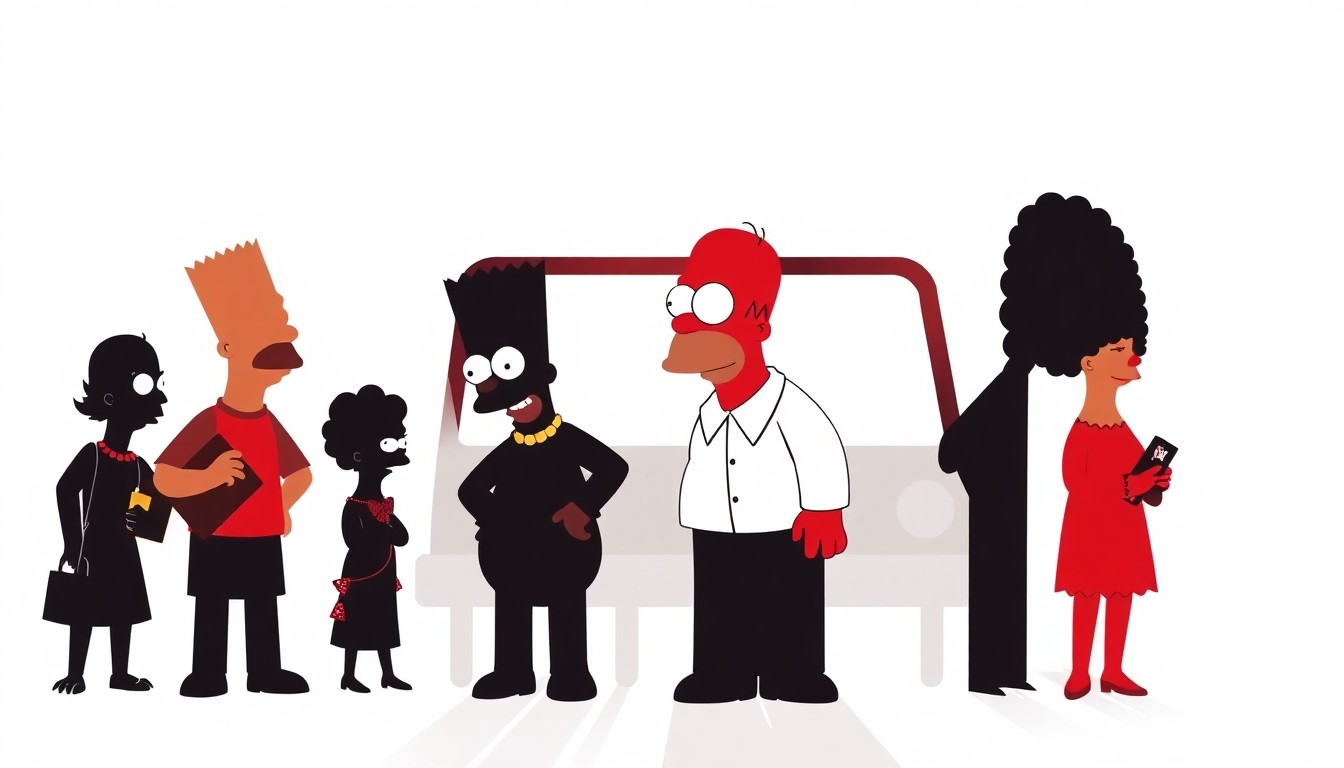 A timeless Simpsons episode that remains a masterclass in animated comedy and social commentary.Springfield Today
Airing 33 years ago, the Simpsons episode "Last Exit to Springfield" is widely regarded as the finest half-hour of animated comedy in the history of television. The episode follows Homer as he becomes the union president at the Springfield Nuclear Power Plant in order to fight Mr. Burns' decision to revoke the employees' dental plans. Through a dense and rich narrative, the episode packs in a masterful blend of comedy, social commentary, and pop culture references.
Why it matters
"Last Exit to Springfield" is a shining example of how The Simpsons was able to blend broad humor and satire to provide insight into contemporary life and history. The episode's themes around unionization and workers' rights still resonate today as corporate consolidation and predatory business practices continue to marginalize laborers.
The details
In the episode, Mr. Burns revokes the power plant employees' dental plans, which becomes a problem for Homer as his daughter Lisa just learned she needs braces. At the union meeting, Homer gives a rousing speech about the importance of dental care, leading to him being elected union president. The standoff between the employees and Mr. Burns then leads to attempted bribery, failed negotiations, and an eventual strike. Throughout, the episode is filled with a litany of pop culture references, from homages to The Godfather and The Beatles to historical allusions like Jimmy Hoffa.
- The episode originally aired on April 15, 1993.
The players
Homer Simpson
The overarching protagonist of The Simpsons, who becomes the union president at the Springfield Nuclear Power Plant in order to fight Mr. Burns' decision to revoke the employees' dental plans.
Mr. Burns
The greedy and villainous owner of the Springfield Nuclear Power Plant, who revokes the employees' dental plans, leading to the conflict at the center of the episode.
Lisa Simpson
Homer's daughter, who just learned she needs braces, sparking Homer's fight for the dental plan.
What they’re saying
“Picking any episode from this run could make a viable case as not just the best in the series, but perhaps the finest half-hour of animated comedy in the history of television.”
— Tania Hussain, Author
“The Simpsons taught us that we can learn and understand contemporary life and history through broad humor and satire, and laughing at the poignant realities of life is both therapeutic and an insight as to how the ridiculousness of life is reflected in a cartoon.”
— Tania Hussain, Author
What’s next
The Simpsons continues to air new episodes, with the show recently surpassing 800 total episodes. Fans will no doubt continue to debate which episode is the best, but "Last Exit to Springfield" remains a strong contender for the title.
The takeaway
"Last Exit to Springfield" is a masterclass in blending comedy, social commentary, and pop culture references, cementing The Simpsons' status as one of the greatest animated shows of all time. The episode's themes around unionization and workers' rights still resonate today, making it a timeless classic.