- Today
- Holidays
- Birthdays
- Reminders
- Cities
- Atlanta
- Austin
- Baltimore
- Berwyn
- Beverly Hills
- Birmingham
- Boston
- Brooklyn
- Buffalo
- Charlotte
- Chicago
- Cincinnati
- Cleveland
- Columbus
- Dallas
- Denver
- Detroit
- Fort Worth
- Houston
- Indianapolis
- Knoxville
- Las Vegas
- Los Angeles
- Louisville
- Madison
- Memphis
- Miami
- Milwaukee
- Minneapolis
- Nashville
- New Orleans
- New York
- Omaha
- Orlando
- Philadelphia
- Phoenix
- Pittsburgh
- Portland
- Raleigh
- Richmond
- Rutherford
- Sacramento
- Salt Lake City
- San Antonio
- San Diego
- San Francisco
- San Jose
- Seattle
- Tampa
- Tucson
- Washington
Adjusting Sleep Position Can Ease Morning Aches
Experts share tips for finding the right sleeping posture to reduce discomfort and improve rest.
Apr. 16, 2026 at 2:54am
Got story updates? Submit your updates here. ›
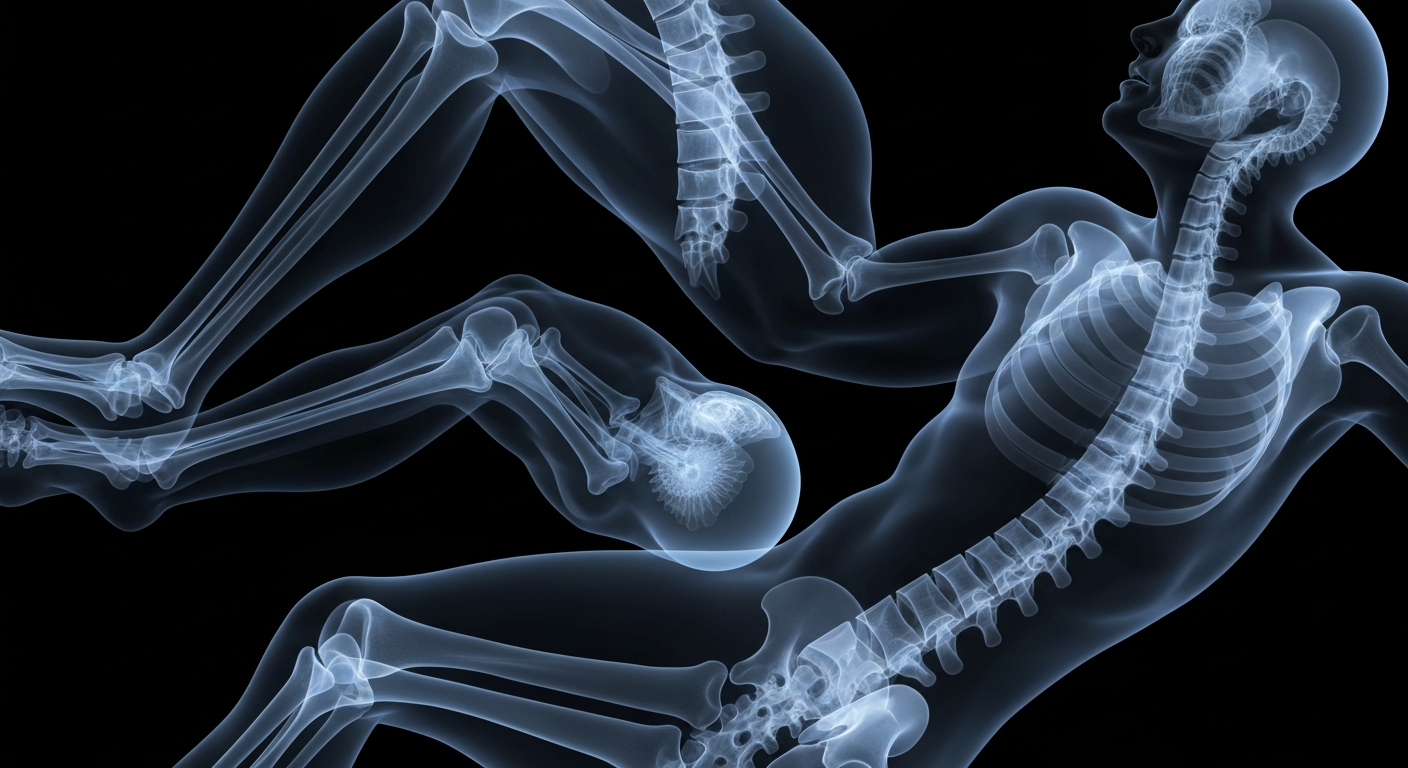 An X-ray view of the spine in different sleep positions highlights how posture impacts spinal alignment and can contribute to morning aches and pains.Princeton Today
Waking up with a stiff neck, sore back, or other aches and pains may be due to your sleep position. Experts explain how different sleeping postures can impact issues like joint pressure, breathing, and acid reflux, and provide advice on adjusting your position to get better quality sleep.
Why it matters
Finding the right sleep position is important for maintaining spinal alignment, reducing pressure on joints, and preventing issues like snoring and acid reflux that can disrupt sleep quality. Adjusting your sleeping posture can provide relief for common morning aches and pains.
The details
Sleeping on your side can put pressure on the shoulder, hip, and knees, but using a memory foam mattress pad and placing a pillow between the knees can help distribute weight more evenly. Sleeping on your back is best for spinal alignment, but can worsen symptoms of sleep apnea and acid reflux. Propping up the upper body with a pillow or wedge can help relieve reflux. Sleeping on the stomach strains the neck and lower back, so using a small pillow under the pelvis can prevent hyperextension. Gradually transitioning to a new sleep position, with the help of body pillows or positioning devices, can allow the body to adapt.
- The review on the association between stomach sleeping and lower back pain was published in 2025.
The players
Dr. Indira Gurubhagavatula
A professor of sleep medicine at the University of Pennsylvania Perelman School of Medicine.
Dr. Rohan Jotwani
A pain medicine specialist at NewYork-Presbyterian/Weill Cornell Medical Center in New York City.
Dr. Gerald Suh
An ear, nose, throat and sleep specialist in Princeton, New Jersey.
Azadeh Yadollahi
A scientist who studies sleep and airway disorders at the University Health Network in Toronto.
What they’re saying
“There is no one "right" way to sleep,”
— Dr. Indira Gurubhagavatula, Professor of sleep medicine
“The symptoms of obstructive sleep apnea, for instance -- which occurs when the muscles in the throat relax during sleep and cause snoring and temporary pauses in breathing -- can worsen when lying face up,”
— Azadeh Yadollahi, Scientist who studies sleep and airway disorders
“If you have sleep apnea, sleeping on your side can help keep the airway open and let you breathe more freely,”
— Dr. Indira Gurubhagavatula, Professor of sleep medicine
What’s next
Experts recommend gradually transitioning to a new sleep position, using pillows or positioning devices to help the body adapt to the change.
The takeaway
Finding the right sleep position is crucial for maintaining spinal alignment, reducing joint pressure, and preventing issues like snoring and acid reflux that can disrupt sleep quality. Adjusting your sleeping posture can provide relief for common morning aches and pains.