- Today
- Holidays
- Birthdays
- Reminders
- Cities
- Atlanta
- Austin
- Baltimore
- Berwyn
- Beverly Hills
- Birmingham
- Boston
- Brooklyn
- Buffalo
- Charlotte
- Chicago
- Cincinnati
- Cleveland
- Columbus
- Dallas
- Denver
- Detroit
- Fort Worth
- Houston
- Indianapolis
- Knoxville
- Las Vegas
- Los Angeles
- Louisville
- Madison
- Memphis
- Miami
- Milwaukee
- Minneapolis
- Nashville
- New Orleans
- New York
- Omaha
- Orlando
- Philadelphia
- Phoenix
- Pittsburgh
- Portland
- Raleigh
- Richmond
- Rutherford
- Sacramento
- Salt Lake City
- San Antonio
- San Diego
- San Francisco
- San Jose
- Seattle
- Tampa
- Tucson
- Washington
Paterson Today
By the People, for the People
Storytelling Fosters Acceptance of Interdependence
Complexity offers a kaleidoscope of mutual sharing, mixing our stories and contexts to generate acceptance of our interconnectedness.
Apr. 14, 2026 at 2:20pm
Got story updates? Submit your updates here. ›
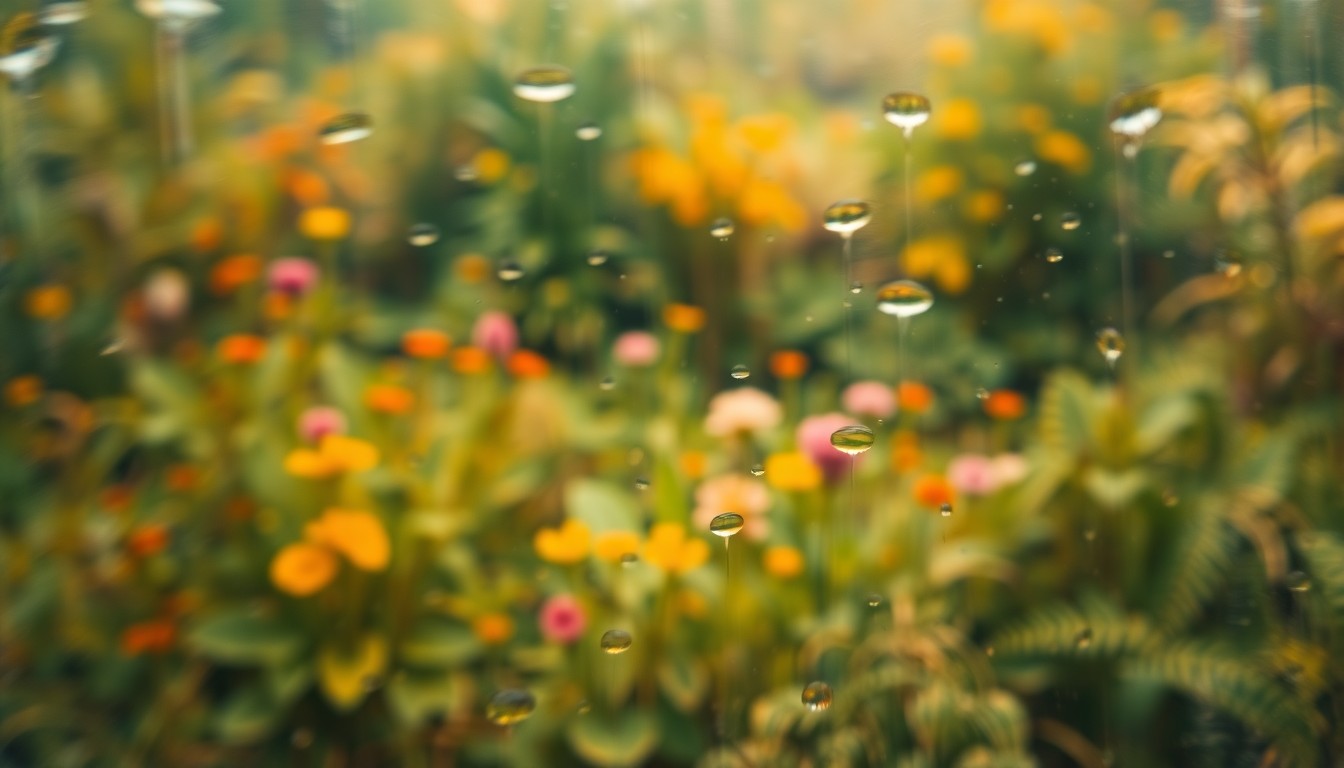 The vibrant, interconnected elements of a thriving garden serve as a metaphor for the complexity and harmony that can be found in our relationships and the world around us.Paterson Today
The article explores how the concept of complexity, defined as the ability to perceive multiple perspectives and contexts, can inform our relationships and communication. The author shares a personal story of growing up in Paterson, New Jersey, and how her grandmother's garden served as a metaphor for the interconnectedness of life. The piece also includes a visualization exercise to help readers expand their understanding of complexity and apply it to resolving conflicts and making a difference in their lives.
Why it matters
The article highlights how embracing complexity and the interconnectedness of our lives can lead to more meaningful relationships, improved communication, and a better understanding of the world around us. By recognizing the nuances and multiple contexts within any given situation, individuals can develop more empathy, find creative solutions to problems, and foster a sense of community.
The details
The author shares a personal story of growing up in Paterson, New Jersey, a densely populated factory town. She describes her grandmother's garden, which was a 'mini ecological masterpiece' that amazed her with its complexity and harmony. The grandmother would teach the author about the interdependence of the various elements in the garden, such as the tomatoes, oregano, basil, fish heads, worms, and bees. This experience led the author to understand that life is like a garden, forest, or kitchen, where all the elements are interconnected and communicating at their edges.
- The article was published on April 14, 2026.
The players
Nora Bateson
An anthropologist who believed that the world's major problems are the result of 'the difference between how nature works and the way people think'.
Noni
The author's grandmother, who was her favorite and taught her about the interconnectedness of the elements in her garden.
Ursula K. Le Guin
A writer who believed that 'In the tale, in the telling, we are all one blood'.
Stephen Elliott
The developer of 'coherent breathing', a technique used to soothe the vagus nerve, the nerve of compassion and security.
What they’re saying
“Like the heads of the mythological Hydra, the crises are many now…much like chopping off the Hydra's heads, the resulting solutions that do not address the complexity seem to generate more consequences.”
— Nora Bateson
“In the tale, in the telling, we are all one blood. Take the tale in your teeth, then, and bite till the blood runs, hoping it's not poison, and we will all come to the end together, and even to the beginning: living, as we do, in the middle.”
— Ursula K. Le Guin
What’s next
The article encourages readers to keep a journal of their responses and insights from the visualization exercise, and to share them mutually with others through a give-and-take dialogue. It also provides several prompts to help readers create possibilities and better understand complexity in their own lives and relationships.
The takeaway
By embracing the concept of complexity and the interconnectedness of our lives, individuals can develop more empathy, find creative solutions to problems, and foster a sense of community. Storytelling and mutual sharing can be powerful tools in this process, helping us to better understand ourselves and our relationships with others.