- Today
- Holidays
- Birthdays
- Reminders
- Cities
- Atlanta
- Austin
- Baltimore
- Berwyn
- Beverly Hills
- Birmingham
- Boston
- Brooklyn
- Buffalo
- Charlotte
- Chicago
- Cincinnati
- Cleveland
- Columbus
- Dallas
- Denver
- Detroit
- Fort Worth
- Houston
- Indianapolis
- Knoxville
- Las Vegas
- Los Angeles
- Louisville
- Madison
- Memphis
- Miami
- Milwaukee
- Minneapolis
- Nashville
- New Orleans
- New York
- Omaha
- Orlando
- Philadelphia
- Phoenix
- Pittsburgh
- Portland
- Raleigh
- Richmond
- Rutherford
- Sacramento
- Salt Lake City
- San Antonio
- San Diego
- San Francisco
- San Jose
- Seattle
- Tampa
- Tucson
- Washington
Wahoo Today
By the People, for the People
Midwest Soybean Farmers Squeezed by Tariffs and Iran Conflict
Ongoing trade disputes and geopolitical tensions add to financial pressures for family-owned farms.
Apr. 13, 2026 at 5:58am
Got story updates? Submit your updates here. ›
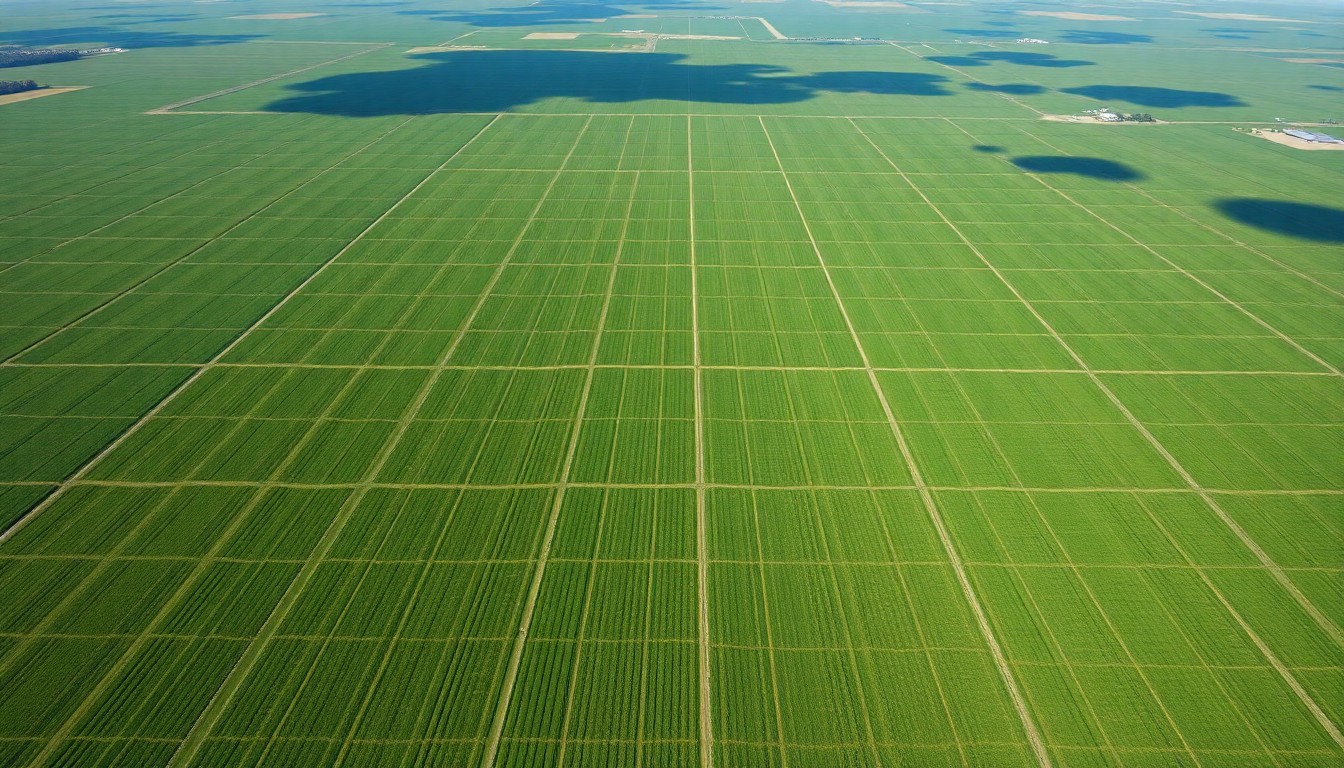 As trade disputes and geopolitical tensions compound existing financial pressures, Midwest soybean farmers face an uncertain future for their family-owned operations.Wahoo Today
Soybean farmers in the Midwest are facing significant financial challenges as they head into the spring planting season, with trade tariffs and the fallout from the ongoing conflict with Iran compounding existing economic pressures on family-owned farms.
Why it matters
The soybean industry is a crucial part of the agricultural economy in the Midwest, and the struggles of these farmers could have ripple effects on local communities, the broader agricultural supply chain, and the overall US economy.
The details
Farmers like Doug Bartek, a fifth-generation producer in Nebraska, are dealing with low commodity prices, rising input costs, and other factors that have squeezed profit margins in recent years. The trade war with China and the conflict with Iran have further disrupted export markets and supply chains, leaving many soybean growers with limited options to sell their crops at a fair price.
- The spring planting season is underway in the Midwest.
- Trade tensions with China have persisted for several years.
- The conflict with Iran escalated in early 2026.
The players
Doug Bartek
A 60-year-old fifth-generation soybean farmer in Wahoo, Nebraska.
What they’re saying
“Strong winds whipped around Doug Bartek, a fifth-generation farmer, as he headed into a grain bin to shovel soybeans onto a conveyor chute. The 60-year-old was anxious at the onset of the spring planting season, rattling off the financial pressures facing his family farm.”
— Doug Bartek, Soybean Farmer
What’s next
Analysts will be closely monitoring the spring planting progress and crop yields in the Midwest, as well as any further developments in the trade dispute with China and the situation with Iran, to assess the long-term viability of family-owned soybean farms in the region.
The takeaway
The compounding challenges facing Midwest soybean farmers underscore the fragility of the agricultural economy and the need for policymakers to find solutions that support family-owned farms and ensure the long-term sustainability of the US food system.