- Today
- Holidays
- Birthdays
- Reminders
- Cities
- Atlanta
- Austin
- Baltimore
- Berwyn
- Beverly Hills
- Birmingham
- Boston
- Brooklyn
- Buffalo
- Charlotte
- Chicago
- Cincinnati
- Cleveland
- Columbus
- Dallas
- Denver
- Detroit
- Fort Worth
- Houston
- Indianapolis
- Knoxville
- Las Vegas
- Los Angeles
- Louisville
- Madison
- Memphis
- Miami
- Milwaukee
- Minneapolis
- Nashville
- New Orleans
- New York
- Omaha
- Orlando
- Philadelphia
- Phoenix
- Pittsburgh
- Portland
- Raleigh
- Richmond
- Rutherford
- Sacramento
- Salt Lake City
- San Antonio
- San Diego
- San Francisco
- San Jose
- Seattle
- Tampa
- Tucson
- Washington
NCAA Softens Targeting Penalty After Study Shows Decline in Repeat Offenders
The new rule allows players to avoid missing time in their team's next game after an initial targeting penalty.
Apr. 14, 2026 at 9:30pm
Got story updates? Submit your updates here. ›
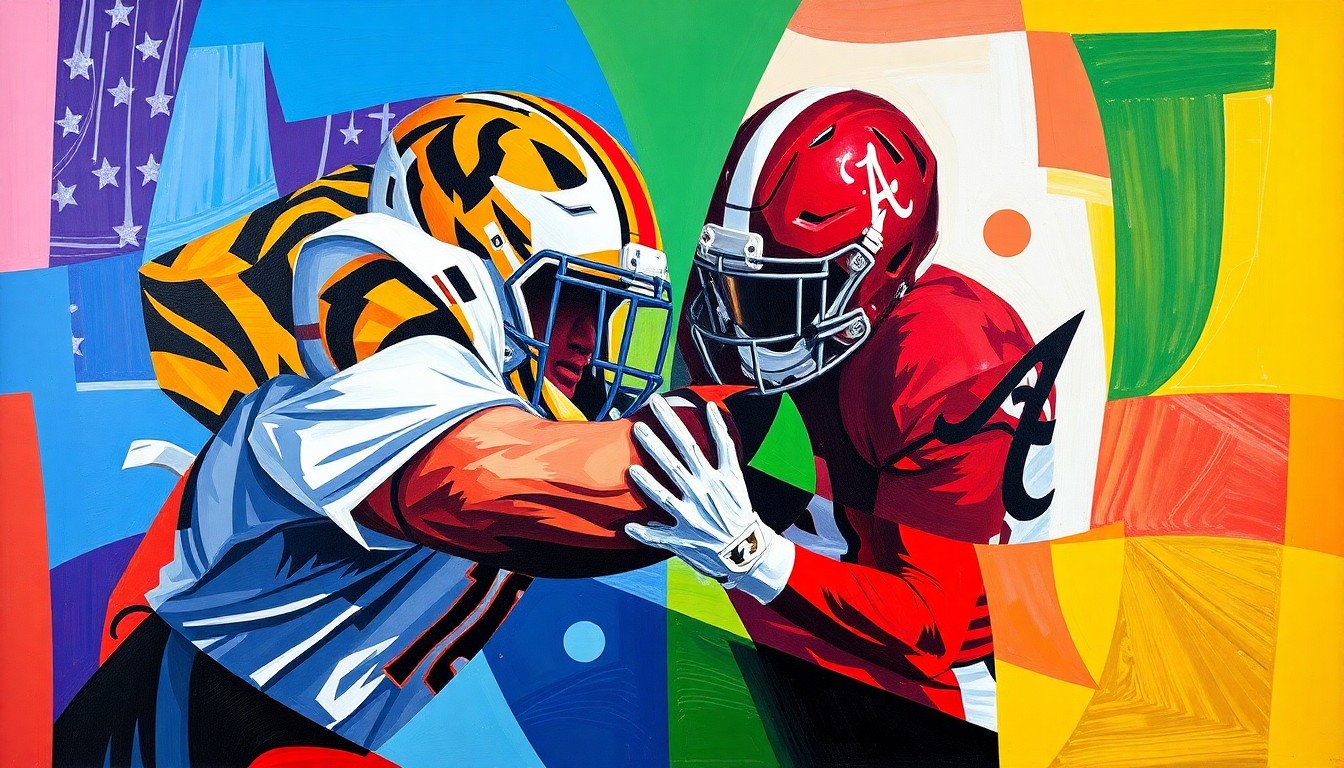 The NCAA's updated targeting rule aims to strike a more balanced approach to player safety and game flow.Omaha Today
The NCAA has made changes to its college football targeting rules, including a one-year trial run where an initial targeting penalty does not require a player to miss time in their team's subsequent game. This is a shift from the previous rule that mandated a player sit out the first half of the next game after being ejected for targeting in the second half of a contest.
Why it matters
The NCAA and member schools studied the impact of past targeting rule changes and found that the severity of the penalty had declined in frequency, with very few players receiving multiple targeting flags during the 2025 season. This suggests the previous harsh punishment may have been overly punitive and impacting player safety in unintended ways.
The details
The new targeting rule, passed on March 19 by the NCAA's Division I Football Bowls Subdivision Oversight Committee, will be in effect for the 2026 season. It eliminates the requirement for a player ejected for targeting in the second half to miss the first half of their team's next game. However, the mandatory suspension for multiple targeting penalties in a season remains in the rulebook.
- The new targeting rule was passed on March 19, 2026.
- The one-year trial run of the new targeting rule will be in effect for the 2026 college football season.
The players
Greg Burks
The NCAA's national coordinator of officials and longtime SEC referee and officiating head.
Scott Draper
The Big 12's Chief Football and Competition Officer, who told USA Today Sports that the NCAA has put a lot of resources into improving college football officiating.
What they’re saying
“I believe the discussion had been for a while the severity of this penalty, and we demonstrated [the game] has really responded.”
— Greg Burks, NCAA National Coordinator of Officials
“The safety factor was driving the rule and was the impetus and that kind of has come to fruition.”
— Greg Burks, NCAA National Coordinator of Officials
“They have put a lot of resources into their officiating program, how they make their rules is really important. That's something I'm focused on for college football.”
— Scott Draper, Big 12 Chief Football and Competition Officer
What’s next
The judge in the case will decide on Tuesday whether or not to allow Walker Reed Quinn out on bail.
The takeaway
This rule change demonstrates the NCAA's willingness to adapt its targeting penalty based on data and feedback, prioritizing player safety while also recognizing the need for a more balanced approach. It reflects a broader effort by college football to improve officiating standards and accountability across the sport.
Omaha top stories

Omaha events
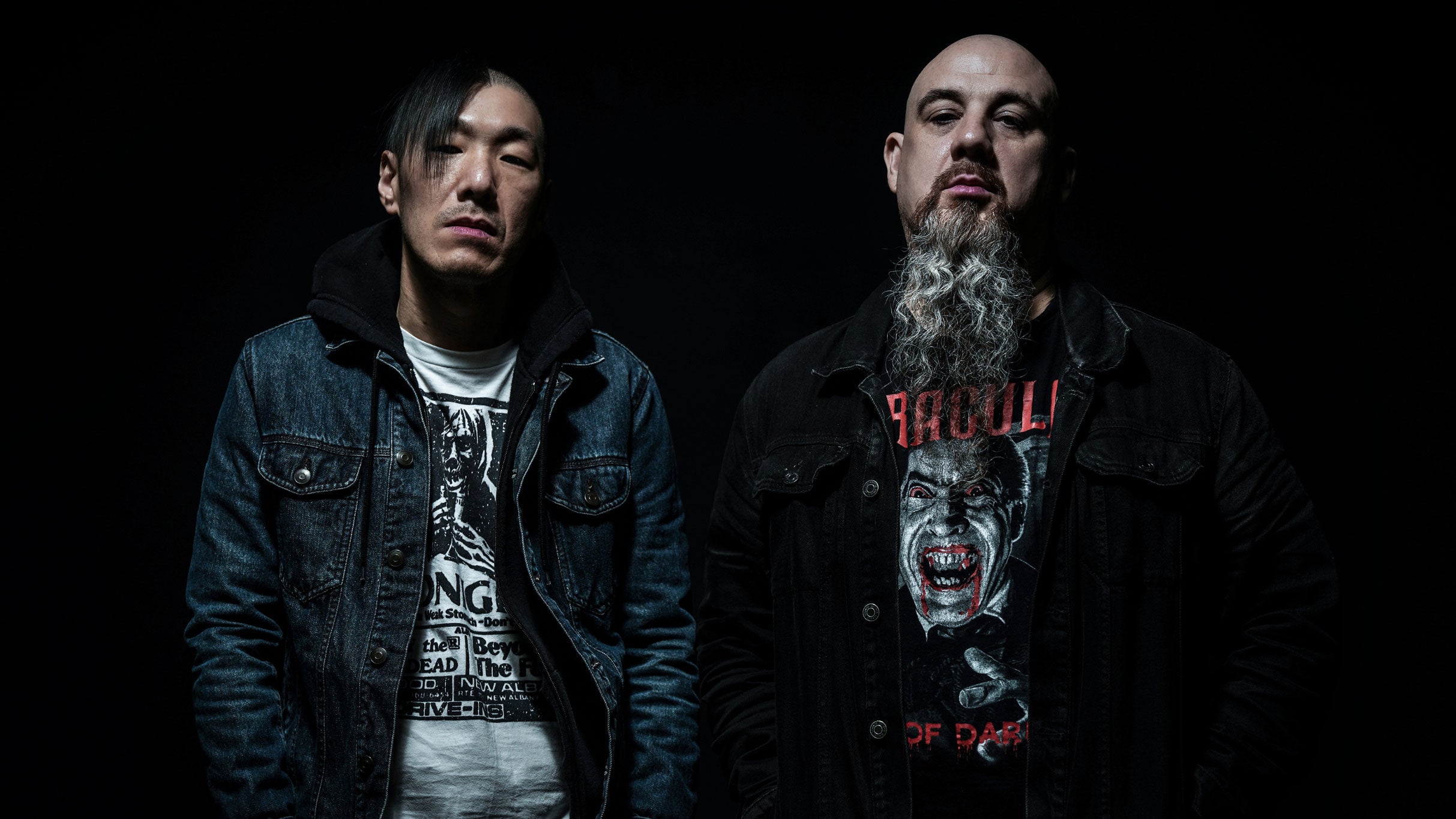
Apr. 14, 2026
Dance With The Dead w/ Magic Sword
Apr. 15, 2026
Stomach Book
Apr. 16, 2026
COMEDY NIGHT with Gary Curtis & Friends