- Today
- Holidays
- Birthdays
- Reminders
- Cities
- Atlanta
- Austin
- Baltimore
- Berwyn
- Beverly Hills
- Birmingham
- Boston
- Brooklyn
- Buffalo
- Charlotte
- Chicago
- Cincinnati
- Cleveland
- Columbus
- Dallas
- Denver
- Detroit
- Fort Worth
- Houston
- Indianapolis
- Knoxville
- Las Vegas
- Los Angeles
- Louisville
- Madison
- Memphis
- Miami
- Milwaukee
- Minneapolis
- Nashville
- New Orleans
- New York
- Omaha
- Orlando
- Philadelphia
- Phoenix
- Pittsburgh
- Portland
- Raleigh
- Richmond
- Rutherford
- Sacramento
- Salt Lake City
- San Antonio
- San Diego
- San Francisco
- San Jose
- Seattle
- Tampa
- Tucson
- Washington
Farmers Discuss Crop Planting Choices
Growers share their decisions on corn and soybean varieties for the current and upcoming seasons.
Apr. 18, 2026 at 7:55am
Got story updates? Submit your updates here. ›
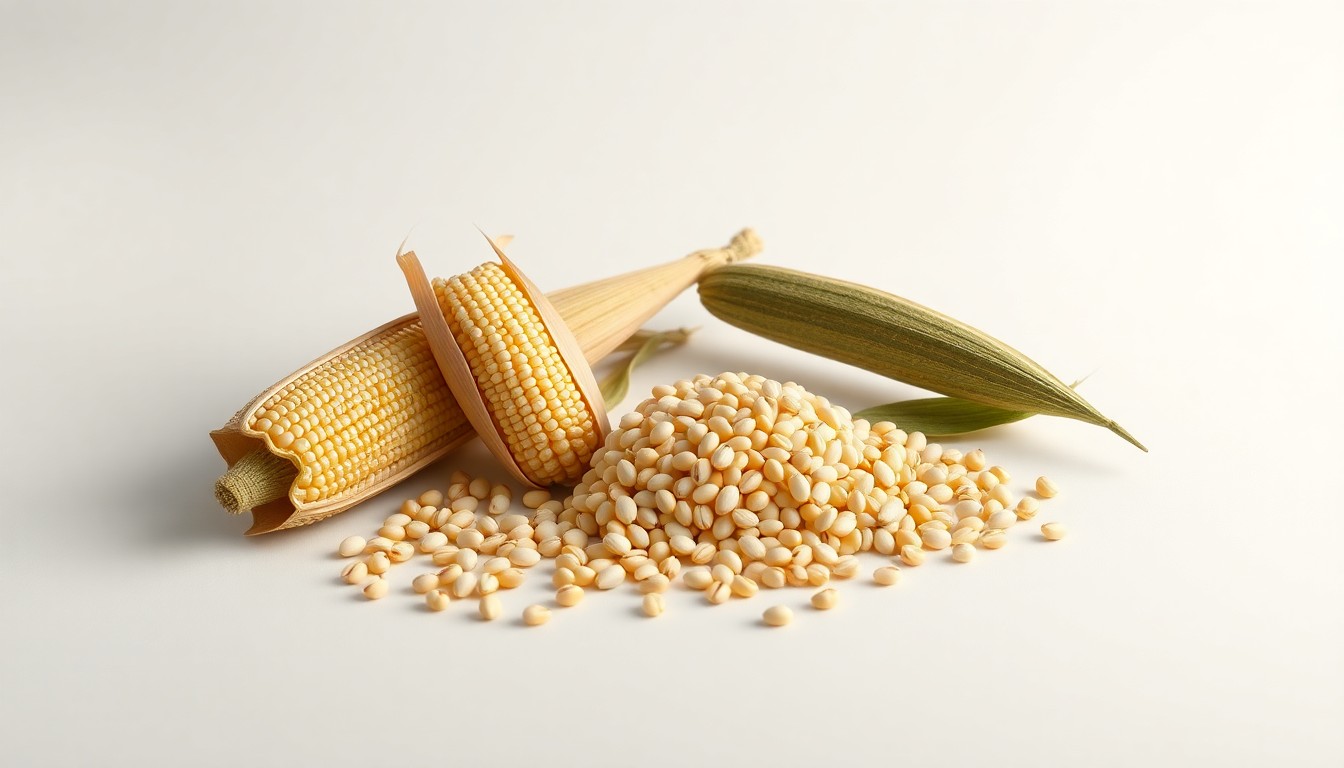 A curated selection of premium corn and soybean seeds reflects the evolving priorities and practices of modern agriculture.Lincoln Today
In a Q&A session, several Midwest farmers discuss the types of corn and soybean seeds they planted this year, including GMO, insecticide-treated, and traditional varieties. They also share their plans for next year's crop rotation and seed selection, citing factors like yield performance and weed control.
Why it matters
The choices farmers make around seed genetics, crop rotation, and planting methods can have significant impacts on yields, input costs, and environmental sustainability. Understanding the decision-making process of growers provides insights into the latest trends and challenges facing the agriculture industry.
The details
The farmers interviewed planted a mix of GMO and traditional corn and soybean varieties this year. Some used Roundup Ready soybeans and triple-stack corn with insect and herbicide resistance. Others stuck with conventional hybrids and varieties. Looking ahead, the growers plan to adjust their crop rotations, planting more soybeans and less corn, and continue using Roundup Ready soybean technology. One farmer also discussed techniques for no-till soybean planting into wheat residue.
- The interviews were conducted in 2026 for the current growing season.
The players
Cory Bergt
A farmer from Lincoln, Nebraska.
Marion Calmer
A farmer from Alpha, Illinois.
Keith R Beeman
A farmer from Humboldt, Kansas.
What they’re saying
“This year we planted GMO soybeans (Roundup Ready) and more triple-stack corn on our corn-on-corn acres. Next year, my rotation will include planting more soybeans and less corn and I will stay with Roundup Ready soybeans.”
— Cory Bergt, Farmer
“This year, we're using Bt corn for above- and below-ground insect protection and a little triple-stack with Roundup Ready varieties as well as Roundup Ready soybean varieties. If Roundup Ready corn can yield with conventional hybrids, then we'll use more of it in 2008.”
— Marion Calmer, Farmer
“Our corn is the traditional 22,200 per acre population. Soybeans are Roundup Ready early group V to be planted as soon as we can get on the ground.”
— Keith R Beeman, Farmer
The takeaway
Farmers continue to balance factors like yield, input costs, and environmental impact when selecting corn and soybean varieties. While some are embracing new GMO technologies, others are sticking with traditional seed types. Crop rotation and planting methods also remain important considerations as growers aim to optimize their operations.
Lincoln top stories



Lincoln events

Apr. 19, 2026
Nebraska Cornhuskers Baseball vs. USC Trojans Baseball
Apr. 22, 2026
Buckethead
Apr. 24, 2026
Nebraska Cornhuskers Softball vs. Iowa Hawkeyes Softball