- Today
- Holidays
- Birthdays
- Reminders
- Cities
- Atlanta
- Austin
- Baltimore
- Berwyn
- Beverly Hills
- Birmingham
- Boston
- Brooklyn
- Buffalo
- Charlotte
- Chicago
- Cincinnati
- Cleveland
- Columbus
- Dallas
- Denver
- Detroit
- Fort Worth
- Houston
- Indianapolis
- Knoxville
- Las Vegas
- Los Angeles
- Louisville
- Madison
- Memphis
- Miami
- Milwaukee
- Minneapolis
- Nashville
- New Orleans
- New York
- Omaha
- Orlando
- Philadelphia
- Phoenix
- Pittsburgh
- Portland
- Raleigh
- Richmond
- Rutherford
- Sacramento
- Salt Lake City
- San Antonio
- San Diego
- San Francisco
- San Jose
- Seattle
- Tampa
- Tucson
- Washington
Kearney Today
By the People, for the People
How to Read a Soil Test Report
No-Till Farmer breaks down the key components of a soil test report to help growers better understand their soil's needs.
Apr. 18, 2026 at 5:58am
Got story updates? Submit your updates here. ›
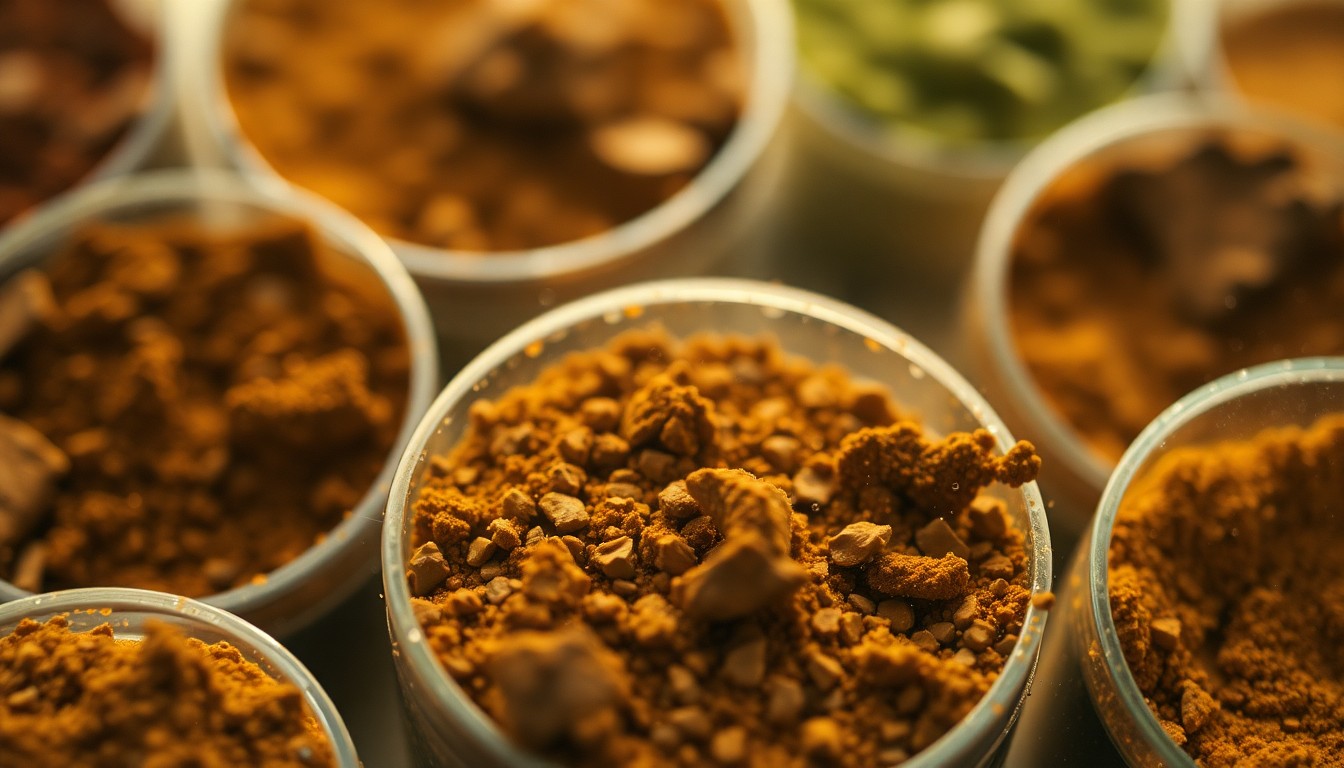 A closer look at the soil beneath our feet reveals a complex ecosystem of nutrients and microorganisms that no-till farmers must carefully monitor and manage.Kearney Today
Most no-tillers understand the importance of soil testing, as the results serve as the baseline for fertilizer and lime purchases and application. However, many growers struggle to interpret the data in a soil test report. No-Till Farmer reached out to an expert from Ward Laboratories to walk through a sample report and explain what the different metrics mean, helping growers learn how to better utilize this valuable information to optimize their fertilizer program.
Why it matters
Understanding how to read a soil test report is crucial for no-tillers, as fertilizer is typically the biggest expense for their operations. Properly interpreting this data allows growers to ensure their fertilizer recommendations match what each field actually needs, helping them avoid over-applying and reduce the risk of nutrient runoff into local waterways.
The details
The article breaks down a sample soil test report step-by-step, explaining metrics like soil pH, organic matter, nutrient levels, and more. The expert from Ward Laboratories provides insights on what the different measurements indicate about the soil's health and fertility, and how growers can use this information to make more informed decisions about their fertilizer program.
- The soil test report featured in the article was from a recent sample taken on the author's farm.
The players
Ray Ward
The founder and president of Ward Laboratories in Kearney, Nebraska, who provided expertise on interpreting the soil test report.
The takeaway
By learning how to properly read and understand a soil test report, no-tillers can ensure they are making the most informed decisions about their fertilizer program, helping them optimize their inputs, reduce costs, and minimize the environmental impact of nutrient runoff.