- Today
- Holidays
- Birthdays
- Reminders
- Cities
- Atlanta
- Austin
- Baltimore
- Berwyn
- Beverly Hills
- Birmingham
- Boston
- Brooklyn
- Buffalo
- Charlotte
- Chicago
- Cincinnati
- Cleveland
- Columbus
- Dallas
- Denver
- Detroit
- Fort Worth
- Houston
- Indianapolis
- Knoxville
- Las Vegas
- Los Angeles
- Louisville
- Madison
- Memphis
- Miami
- Milwaukee
- Minneapolis
- Nashville
- New Orleans
- New York
- Omaha
- Orlando
- Philadelphia
- Phoenix
- Pittsburgh
- Portland
- Raleigh
- Richmond
- Rutherford
- Sacramento
- Salt Lake City
- San Antonio
- San Diego
- San Francisco
- San Jose
- Seattle
- Tampa
- Tucson
- Washington
North Carolina Zoo Expansion Delayed Due to State Budget Impasse
New 12.5-acre Asia Continent exhibit unable to open without funding for additional staff
Apr. 18, 2026 at 4:50pm
Got story updates? Submit your updates here. ›
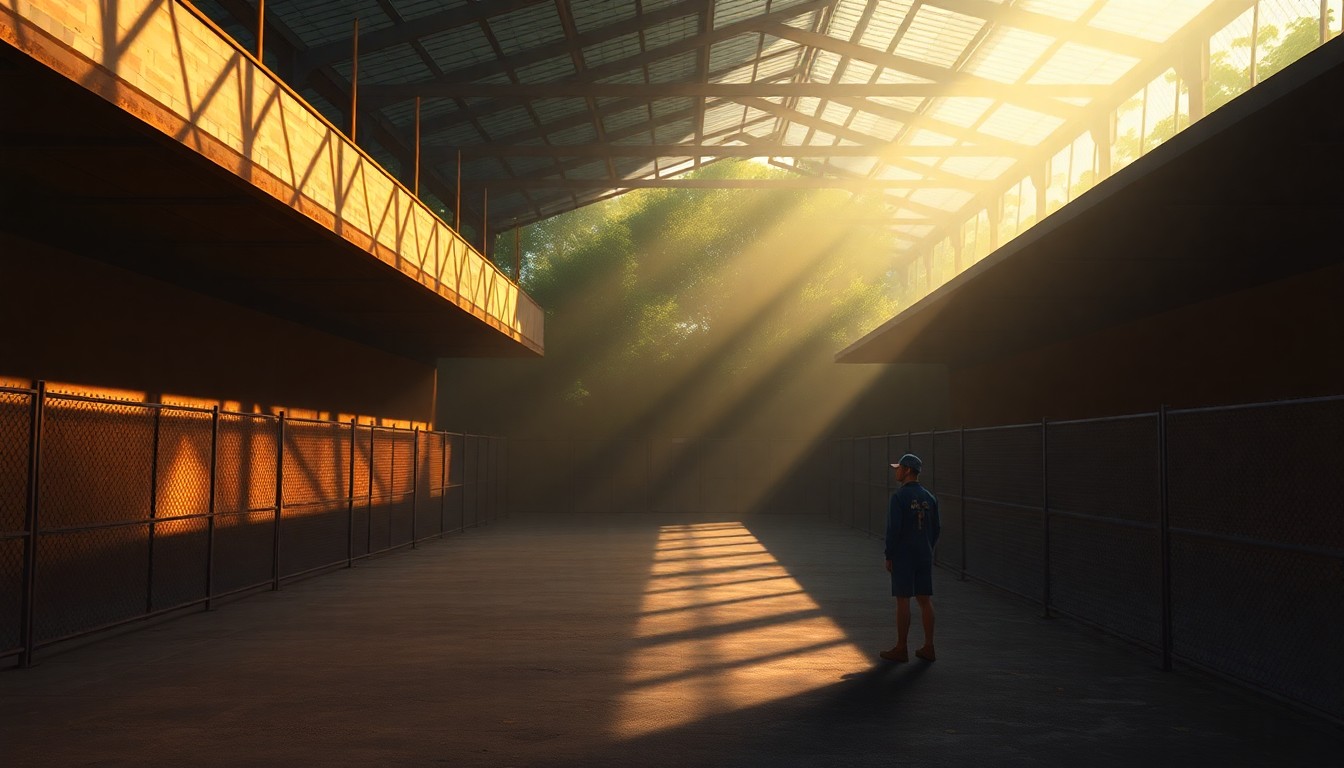 With the new Asia Continent expansion complete but unable to open, the North Carolina Zoo faces an uncertain future as state budget negotiations drag on.Today in Raleigh
The North Carolina Zoo's highly anticipated 12.5-acre Asia Continent expansion, featuring new animal exhibits like tigers, Komodo dragons, and white-cheeked gibbons, is unable to open as planned due to the state legislature's failure to pass a new budget. Without the necessary funding to hire around 70 additional staff members to operate the new area, the zoo is stuck in limbo, unable to welcome visitors to the completed expansion.
Why it matters
The North Carolina Zoo is the largest natural habitat zoo in the world and a major tourist draw for the state. This delay in opening the new Asia Continent exhibit represents a significant setback, as the zoo was counting on the new attraction to boost visitation and revenue. The budget impasse also highlights the challenges state-funded institutions can face when political gridlock prevents timely approval of necessary funding.
The details
Construction of the new Asia Continent area at the North Carolina Zoo is complete, and most of the animals have already been moved into their new habitats. However, the zoo cannot open the expansion to the public because it lacks the funding to hire the roughly 70 full-time employees needed to staff transportation, cleaning, guest services, and other operations in the new 12.5-acre section. This staffing shortfall is a direct result of the state legislature's failure to pass a new budget since July 2025, leaving the zoo in limbo.
- The North Carolina legislature signed off on $75 million in funding for the Asia Continent expansion in November 2021.
- The new Asia Continent area was originally planned to open in 2026.
- North Carolina has been operating without a comprehensive state budget since July 2025 after negotiations between the state Senate and House of Representatives broke down.
- Lawmakers will return to Raleigh for the 2026 legislative session, which begins on April 21.
The players
North Carolina Zoo
The largest natural habitat zoo in the world and one of only two state-owned zoos in the U.S., alongside the Minnesota Zoo.
Diane Villa
Interim Director of the North Carolina Zoo.
North Carolina General Assembly
The state legislature responsible for approving the zoo's funding, which has been unable to pass a new budget since July 2025.
What they’re saying
“Construction of the Asia Continent is complete, most animals are settled in, and the North Carolina Zoo is eager to welcome visitors to this amazing new expansion. However, because of the state budget impasse, we are not able to hire the staff needed to safely open the Asia Continent.”
— Diane Villa, Interim Director, North Carolina Zoo
“Once funding challenges are resolved, our team will work to open Asia as quickly as possible. In the meantime, we look forward to welcoming visitors to the many other attractions at the North Carolina Zoo and Botanical Gardens.”
— Diane Villa, Interim Director, North Carolina Zoo
What’s next
Lawmakers in the North Carolina General Assembly will return to Raleigh for the 2026 legislative session on April 21, where they are expected to resume negotiations to pass a new state budget. Once a budget is approved, the North Carolina Zoo will be able to hire the necessary staff to safely open the new Asia Continent expansion to the public.
The takeaway
This delay in opening the North Carolina Zoo's highly anticipated Asia Continent exhibit highlights the real-world impact that political gridlock and budget impasses can have on state-funded institutions and the communities they serve. The zoo's inability to hire staff and welcome visitors to the new attraction is a frustrating setback, but also a cautionary tale about the importance of timely government funding for public assets.
Raleigh top stories



Raleigh events

Apr. 18, 2026
BOYS LIKE GIRLS - The Soundtrack Of Your Life Tour
Apr. 18, 2026
Charlie Berens: The Lost and Found Tour