- Today
- Holidays
- Birthdays
- Reminders
- Cities
- Atlanta
- Austin
- Baltimore
- Berwyn
- Beverly Hills
- Birmingham
- Boston
- Brooklyn
- Buffalo
- Charlotte
- Chicago
- Cincinnati
- Cleveland
- Columbus
- Dallas
- Denver
- Detroit
- Fort Worth
- Houston
- Indianapolis
- Knoxville
- Las Vegas
- Los Angeles
- Louisville
- Madison
- Memphis
- Miami
- Milwaukee
- Minneapolis
- Nashville
- New Orleans
- New York
- Omaha
- Orlando
- Philadelphia
- Phoenix
- Pittsburgh
- Portland
- Raleigh
- Richmond
- Rutherford
- Sacramento
- Salt Lake City
- San Antonio
- San Diego
- San Francisco
- San Jose
- Seattle
- Tampa
- Tucson
- Washington
North Carolina Sees 50% Jump in Legionnaires' Disease Cases
State health officials cite warmer climate as potential factor in sharp rise of deadly lung infection
Apr. 18, 2026 at 3:55am
Got story updates? Submit your updates here. ›
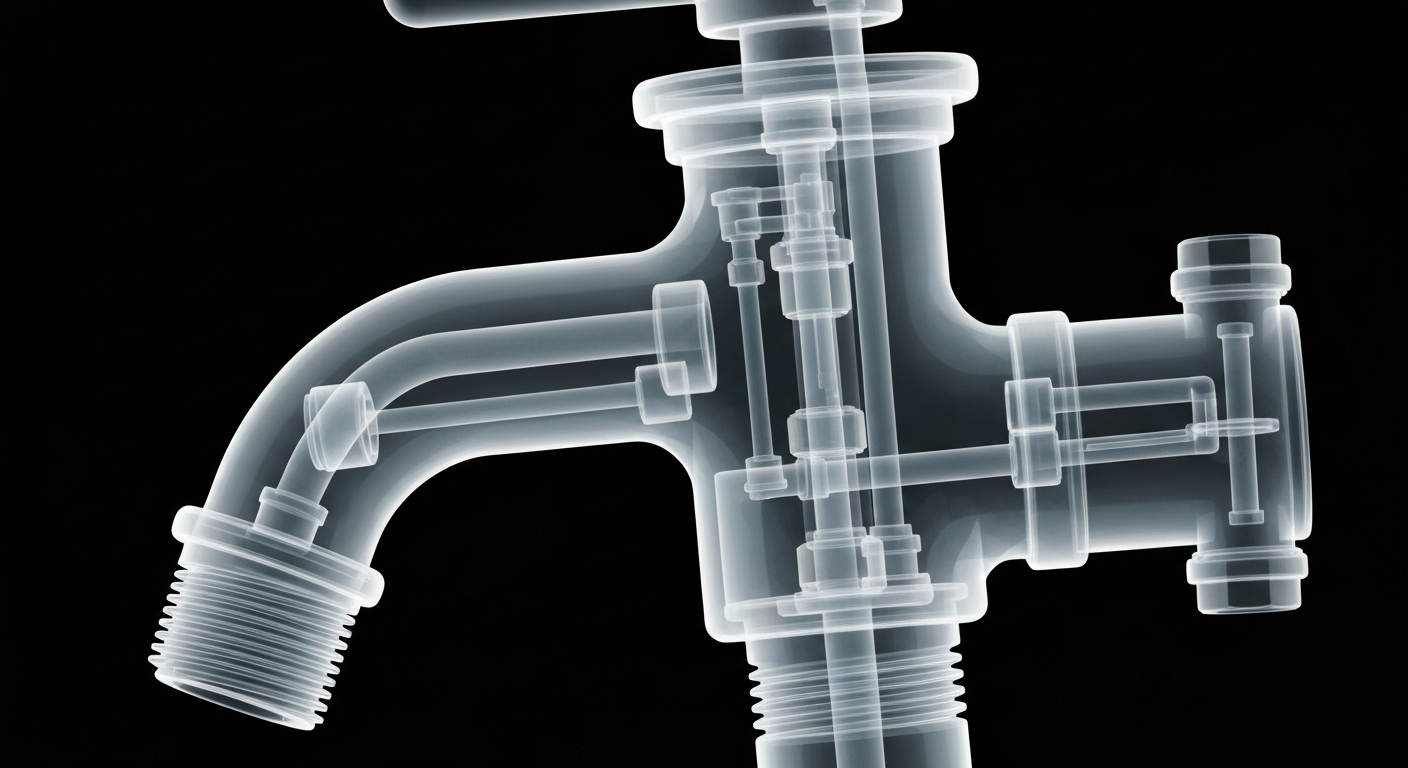 As North Carolina grapples with a sharp rise in Legionnaires' disease, the unseen threat of bacteria festering in water systems comes into focus.Today in Raleigh
The North Carolina Department of Health and Human Services reported a 54% increase in Legionnaires' disease cases, jumping from 201 cases in 2024 to 310 in 2025. While the exact cause is unclear, experts believe the state's warmer climate may be playing a role in the growth of the Legionella bacteria that causes the severe type of pneumonia.
Why it matters
Legionnaires' disease can be a very serious illness that can lead to death, especially for those at higher risk such as older adults, smokers, and those with certain medical conditions. The sharp rise in cases highlights the need for increased awareness and prevention efforts around maintaining water systems to control the spread of the Legionella bacteria.
The details
According to Dr. Erica Wilson of the NCDHHS, the Legionella bacteria that causes Legionnaires' disease thrives in warm, moist environments. To prevent the disease, health officials recommend flushing faucets, maintaining hot tubs, cleaning medical equipment, replacing water filters, and draining standing water from hoses and car windshield wiper fluid reservoirs.
- In 2024, there were 201 reported cases of Legionnaires' disease in North Carolina.
- In 2025, the number of cases jumped to 310, a 54% increase.
The players
North Carolina Department of Health and Human Services (NCDHHS)
The state health agency that tracks and reports on Legionnaires' disease cases in North Carolina.
Dr. Erica Wilson
The medical director for the medical consultation unit in the communicable disease branch at NCDHHS.
What they’re saying
“We don't entirely know why cases are increasing, but suspect that it has to do with weather and increased warm temperatures since Legionnaires Legionella bacteria that likes to grow in warm, moist environments.”
— Dr. Erica Wilson, Medical Director, NCDHHS
“It can be very serious illness that can cause death, especially for folks that are particularly vulnerable.”
— Dr. Erica Wilson, Medical Director, NCDHHS
What’s next
Health officials say staying aware and taking prevention steps now, such as properly maintaining water systems, can make a big difference in controlling the spread of Legionnaires' disease. The state will continue to monitor case numbers and work to identify the root causes of the sharp rise.
The takeaway
The significant increase in Legionnaires' disease cases in North Carolina highlights the need for greater public awareness and proactive prevention efforts around maintaining water systems and controlling the growth of Legionella bacteria, especially as the state's climate continues to warm.
Raleigh top stories



Raleigh events

Apr. 18, 2026
BOYS LIKE GIRLS - The Soundtrack Of Your Life Tour
Apr. 18, 2026
Charlie Berens: The Lost and Found Tour