- Today
- Holidays
- Birthdays
- Reminders
- Cities
- Atlanta
- Austin
- Baltimore
- Berwyn
- Beverly Hills
- Birmingham
- Boston
- Brooklyn
- Buffalo
- Charlotte
- Chicago
- Cincinnati
- Cleveland
- Columbus
- Dallas
- Denver
- Detroit
- Fort Worth
- Houston
- Indianapolis
- Knoxville
- Las Vegas
- Los Angeles
- Louisville
- Madison
- Memphis
- Miami
- Milwaukee
- Minneapolis
- Nashville
- New Orleans
- New York
- Omaha
- Orlando
- Philadelphia
- Phoenix
- Pittsburgh
- Portland
- Raleigh
- Richmond
- Rutherford
- Sacramento
- Salt Lake City
- San Antonio
- San Diego
- San Francisco
- San Jose
- Seattle
- Tampa
- Tucson
- Washington
North Carolina Farmers Battle Drought as Costs Rise
Severe drought conditions force farmers to work overtime to protect crops amid rising production costs.
Apr. 17, 2026 at 3:25am
Got story updates? Submit your updates here. ›
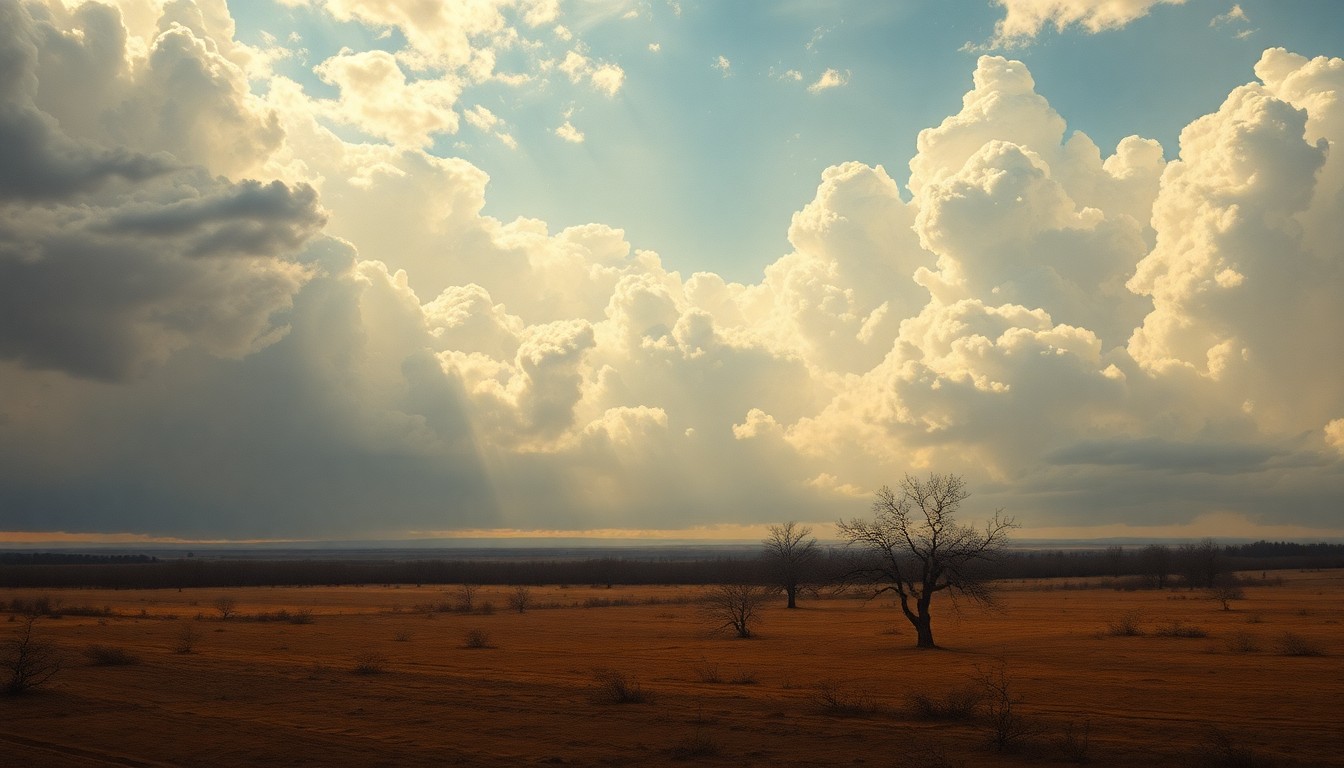 As North Carolina farmers battle the devastating effects of a prolonged drought, the vast, unforgiving scale of the natural world serves as a stark reminder of the challenges they face.Today in Raleigh
North Carolina farmers are facing significant challenges due to the ongoing drought, with the U.S. Department of Agriculture designating 82 counties as natural disaster areas. Farmers are working overtime to protect their crops, including increasing watering regimens, as the dry weather takes a toll on plant health. The drought's impact is also being felt by consumers, as higher production costs are expected to eventually reach the point of purchase, whether at farm stands or supermarkets. Despite the challenges, some families are turning to pick-your-own fields as a way to save money on produce.
Why it matters
The drought in North Carolina is having a widespread impact on the state's agricultural communities, with farmers facing higher costs, lower yields, and the need to implement more intensive water management strategies to protect their crops. This situation highlights the vulnerability of the local food system to extreme weather events and the importance of supporting farmers and finding ways for consumers to access affordable, locally-grown produce.
The details
Farmers like Joshau Logan of Grasshopper Farms are increasing their watering regiments and adjusting the timing of irrigation to try to mitigate the effects of the drought on their crops. While Grasshopper Farms benefits from a spring-fed irrigation system, Logan noted that smaller and urban farms that rely on municipal water sources could face even greater challenges if the drought continues. The higher production costs incurred by farmers are expected to eventually be passed on to consumers, potentially making locally-grown produce less affordable for some families.
- The U.S. Department of Agriculture has designated 82 North Carolina counties as natural disaster areas due to the severe drought conditions.
- Farmers are currently working overtime to protect their crops, including increasing watering regimens and adjusting irrigation timing.
The players
Jenna Dupree
A customer who is picking strawberries at Grasshopper Farms to save money compared to grocery store prices.
Joshau Logan
The farm operator of Grasshopper Farms, who is implementing more frequent watering and strategic timing to protect his crops from the drought.
What they’re saying
“When you come, and you pick, you get so much more than what you're paying in the grocery store.”
— Jenna Dupree, Customer
“Mother nature has not been very helpful.”
— Joshau Logan, Farm Operator
“Once you get into multiple weeks of, of dry weather, that's where the plants really start to experience fatigue. So, we up our watering regiment doing more frequent watering. Strategic timing in terms of trying to water, in the early morning hours.”
— Joshau Logan, Farm Operator
What’s next
Farmers will continue to monitor the drought conditions and implement water-saving strategies to protect their crops. The U.S. Department of Agriculture will likely continue to assess the situation and provide emergency assistance to affected farmers as needed.
The takeaway
The drought in North Carolina is putting significant strain on the state's agricultural community, forcing farmers to work overtime and incur higher production costs to protect their crops. This situation highlights the importance of supporting local farmers and finding ways for consumers to access affordable, locally-grown produce, even in the face of extreme weather events.
Raleigh top stories


Raleigh events

Apr. 18, 2026
BOYS LIKE GIRLS - The Soundtrack Of Your Life Tour
Apr. 18, 2026
Charlie Berens: The Lost and Found Tour