- Today
- Holidays
- Birthdays
- Reminders
- Cities
- Atlanta
- Austin
- Baltimore
- Berwyn
- Beverly Hills
- Birmingham
- Boston
- Brooklyn
- Buffalo
- Charlotte
- Chicago
- Cincinnati
- Cleveland
- Columbus
- Dallas
- Denver
- Detroit
- Fort Worth
- Houston
- Indianapolis
- Knoxville
- Las Vegas
- Los Angeles
- Louisville
- Madison
- Memphis
- Miami
- Milwaukee
- Minneapolis
- Nashville
- New Orleans
- New York
- Omaha
- Orlando
- Philadelphia
- Phoenix
- Pittsburgh
- Portland
- Raleigh
- Richmond
- Rutherford
- Sacramento
- Salt Lake City
- San Antonio
- San Diego
- San Francisco
- San Jose
- Seattle
- Tampa
- Tucson
- Washington
Therapist Offers Advice for 'Strong Ones' to Reclaim Their Lives
Licensed therapist Nikquan Lewis explains how the emotional burden of being the 'strong one' can lead to burnout and depression.
Apr. 13, 2026 at 2:38am
Got story updates? Submit your updates here. ›
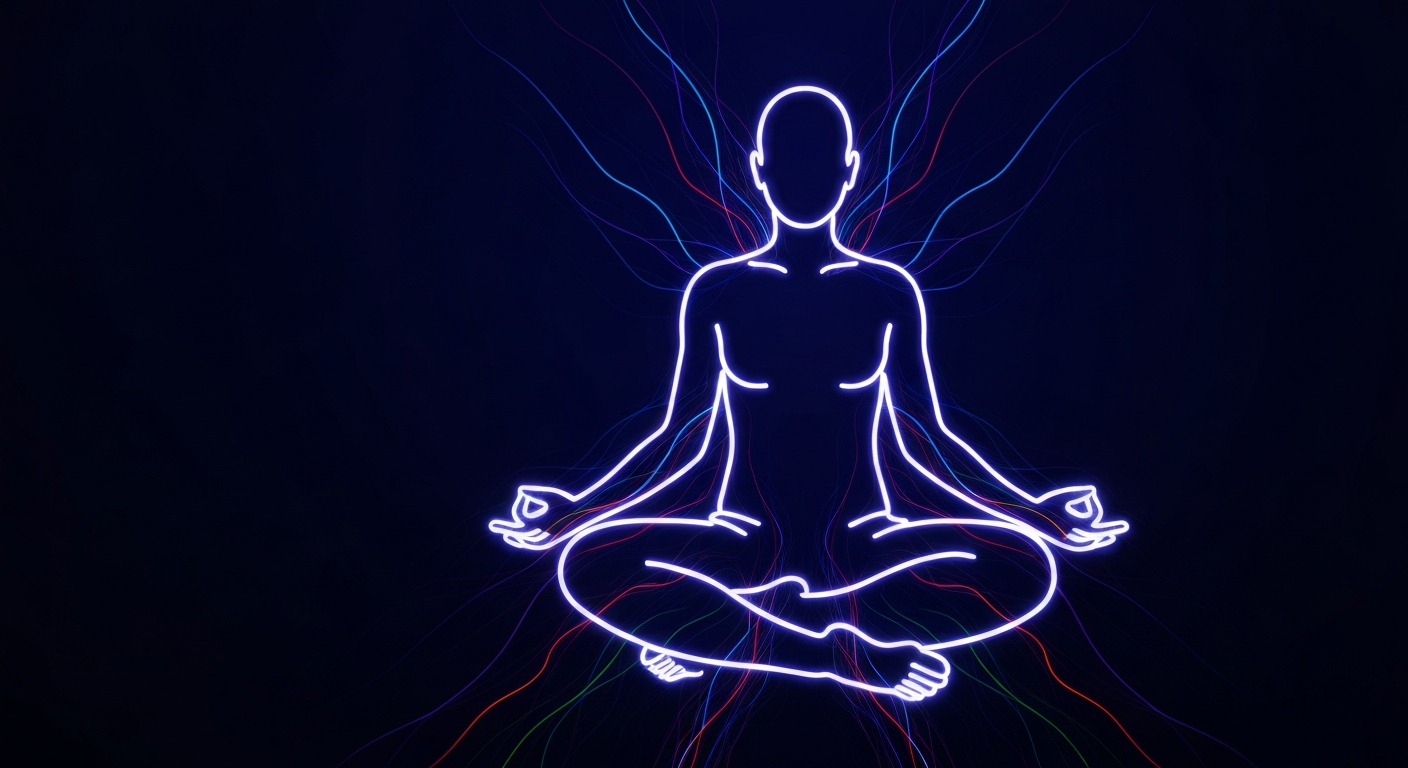 The emotional burden of being the 'strong one' can take a heavy toll, but therapists advise setting boundaries and prioritizing self-care to reclaim one's life.Today in Raleigh
Millions of Americans are known as the 'strong ones' within their family, friend group, or organization, but this role often comes with a heavy emotional cost, according to licensed therapist Nikquan Lewis. Lewis says this 'SAD' framework - suppressing needs, abandoning the body, and disappearing in relationships - frequently masks high-functioning anxiety and leads to burnout. She recommends that those who consider themselves the 'strong one' start setting boundaries and prioritizing self-care to regain control over their lives.
Why it matters
Being the 'strong one' is a common but exhausting and isolating role that can contribute to depression, anxiety, and burnout. Experts say this high-functioning persona often prevents people from addressing their own needs and emotional well-being.
The details
Lewis, who is a family therapist, counselor, and sex therapist, says the 'strong one' role involves a 'SAD' framework of suppressing needs, abandoning the body, and disappearing in relationships. She notes that this masking of high-functioning anxiety and prioritizing others over oneself can lead to serious mental health consequences. Lewis recommends that those in this position start setting boundaries, saying 'no' to others at times, and learning to prioritize their own self-care.
- The article was published on April 13, 2026.
The players
Nikquan Lewis
A licensed therapist who specializes in family, counseling, and sex therapy. She explains the emotional burden of being the 'strong one' and provides strategies for reclaiming one's life.
What they’re saying
“'The emotional cost is expensive and not in a good way,'”
— Nikquan Lewis, Licensed Therapist
“'S, suppress our needs, A, abandon our body and D, disappear in relationships,'”
— Nikquan Lewis, Licensed Therapist
“'If you've learned that you have to be strong and you have to take care of everyone else before you learn how to be safe and prioritize yourself, now this is your norm,'”
— Nikquan Lewis, Licensed Therapist
“'The power of no saying no to others at times allows you to say yes to you,'”
— Nikquan Lewis, Licensed Therapist
What’s next
Lewis recommends that those who identify as the 'strong one' seek professional guidance to help them work through their feelings and learn to prioritize their own self-care and boundaries.
The takeaway
Being the 'strong one' in a family, friend group, or organization can take a significant emotional toll, leading to burnout, depression, and anxiety. Experts advise those in this role to start setting boundaries, saying 'no' to others at times, and focusing on their own needs in order to reclaim control over their lives.
Raleigh top stories



Raleigh events

Apr. 14, 2026
Bush: The Land Of Milk and Honey Tour
Apr. 15, 2026
Baby Keem - The Ca$ino Tour
Apr. 16, 2026
LAMB OF GOD: INTO OBLIVION TOUR