- Today
- Holidays
- Birthdays
- Reminders
- Cities
- Atlanta
- Austin
- Baltimore
- Berwyn
- Beverly Hills
- Birmingham
- Boston
- Brooklyn
- Buffalo
- Charlotte
- Chicago
- Cincinnati
- Cleveland
- Columbus
- Dallas
- Denver
- Detroit
- Fort Worth
- Houston
- Indianapolis
- Knoxville
- Las Vegas
- Los Angeles
- Louisville
- Madison
- Memphis
- Miami
- Milwaukee
- Minneapolis
- Nashville
- New Orleans
- New York
- Omaha
- Orlando
- Philadelphia
- Phoenix
- Pittsburgh
- Portland
- Raleigh
- Richmond
- Rutherford
- Sacramento
- Salt Lake City
- San Antonio
- San Diego
- San Francisco
- San Jose
- Seattle
- Tampa
- Tucson
- Washington
New Bern Today
By the People, for the People
New Book Reveals How Chronic Stress Rewires the Brain and How to Reverse It
Research shows stress leads to measurable changes in brain architecture, fueling a movement toward 'brain fitness'
Apr. 8, 2026 at 6:06pm
Got story updates? Submit your updates here. ›
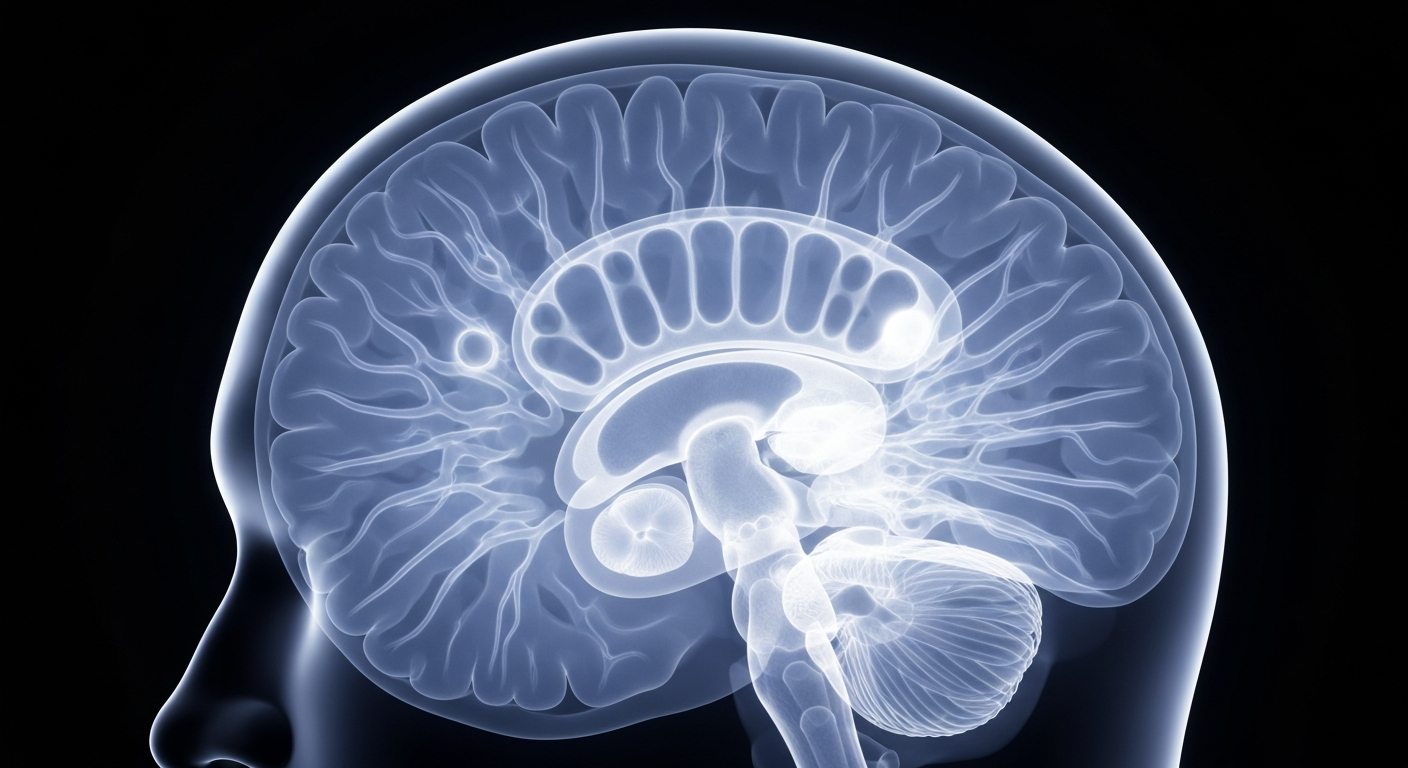 Cutting-edge neuroscience research reveals the physical toll of chronic stress on the brain's architecture, spurring a movement toward 'brain fitness' solutions.New Bern Today
A new book, 'Brain Fitness Blueprint: Integrating Ancient Wisdom and Modern Technologies for Peak Performance', co-authored by Patrick K. Porter, PhD and Ruchika Sikri, reveals that chronic stress is increasingly recognized as a significant risk factor for psychiatric conditions like anxiety and depression. Research indicates prolonged stress can lead to structural changes in the brain, including grey matter atrophy in regions responsible for emotional regulation. The book provides a practical framework for navigating these modern pressures, bridging ancient mindfulness and modern neurotechnology to help readers reclaim mental clarity.
Why it matters
Chronic stress not only impairs quality of life, but can also lead to significant economic strain on employers and the broader economy if not addressed. By understanding the biological impact of stress on the brain and providing science-backed solutions, this book aims to help those suffering from the effects of chronic stress.
The details
Clinical studies link modern stress to measurable changes in brain architecture, including dendritic atrophy and loss of synaptic connections in the prefrontal cortex. This structural degradation impairs the brain's 'command center', making it harder to regulate emotions and focus. EEG research also shows stress-dominant states are marked by elevated high-beta activity, the brain's emergency signal. When the brain cannot transition out of this high-frequency state, it remains in a state of hypervigilance, leading to persistent feelings of being 'on edge'.
- A 2025 study published in the journal Brain Research found that chronic stress triggers dendritic atrophy and loss of synaptic connections in the prefrontal cortex.
- The new book 'Brain Fitness Blueprint' was recently published in April 2026.
The players
Patrick K. Porter, PhD
A neuroscientist, author, and educator with more than 30 years of experience studying brain performance, neuroplasticity, and nervous-system regulation. He is the co-author of 'Brain Fitness Blueprint'.
Ruchika Sikri
The founder of Wisdom Ventures Fund, Mandate Ventures and Ready Platform, supporting human flourishing through innovation and purpose-driven communities. She is the co-author of 'Brain Fitness Blueprint'.
BrainTap
A global leader in brain fitness and mental wellness technology, delivering science-backed solutions to improve sleep, reduce stress, enhance focus, and optimize performance.
What they’re saying
“We are asking our brains to perform at peak levels without giving them the biological conditions required for recovery.”
— Patrick K. Porter, PhD, Co-author and founder of BrainTap
“Stress isn't just something you feel—it's something your brain becomes, but thanks to new discoveries in brain fitness, we are moving from a model of managing symptoms to one of physical restoration.”
— Patrick K. Porter, PhD, Co-author and founder of BrainTap
“True brain fitness isn't about pushing harder; it's about creating the conditions for the brain to recover, adapt, and renew itself.”
— Ruchika Sikri, Co-author
What’s next
The book 'Brain Fitness Blueprint' is available at a variety of online retailers, providing readers with a 30-day action plan to reverse the effects of stress and support long-term nervous-system regulation.
The takeaway
This research highlights the significant physical impact of chronic stress on the brain, but also provides hope that the brain's neuroplasticity can be harnessed to reverse these effects through science-backed 'brain fitness' practices. By integrating ancient wisdom and modern neurotechnology, individuals can reclaim mental clarity and optimize brain performance.