- Today
- Holidays
- Birthdays
- Reminders
- Cities
- Atlanta
- Austin
- Baltimore
- Berwyn
- Beverly Hills
- Birmingham
- Boston
- Brooklyn
- Buffalo
- Charlotte
- Chicago
- Cincinnati
- Cleveland
- Columbus
- Dallas
- Denver
- Detroit
- Fort Worth
- Houston
- Indianapolis
- Knoxville
- Las Vegas
- Los Angeles
- Louisville
- Madison
- Memphis
- Miami
- Milwaukee
- Minneapolis
- Nashville
- New Orleans
- New York
- Omaha
- Orlando
- Philadelphia
- Phoenix
- Pittsburgh
- Portland
- Raleigh
- Richmond
- Rutherford
- Sacramento
- Salt Lake City
- San Antonio
- San Diego
- San Francisco
- San Jose
- Seattle
- Tampa
- Tucson
- Washington
Hickory Today
By the People, for the People
North Carolina No-Till Farmer Sets Dryland Corn Yield Record
Russell Hedrick's regenerative practices and meticulous soil testing help guide nutrient decisions at his JRH Grain Farms operation.
Apr. 18, 2026 at 8:25am
Got story updates? Submit your updates here. ›
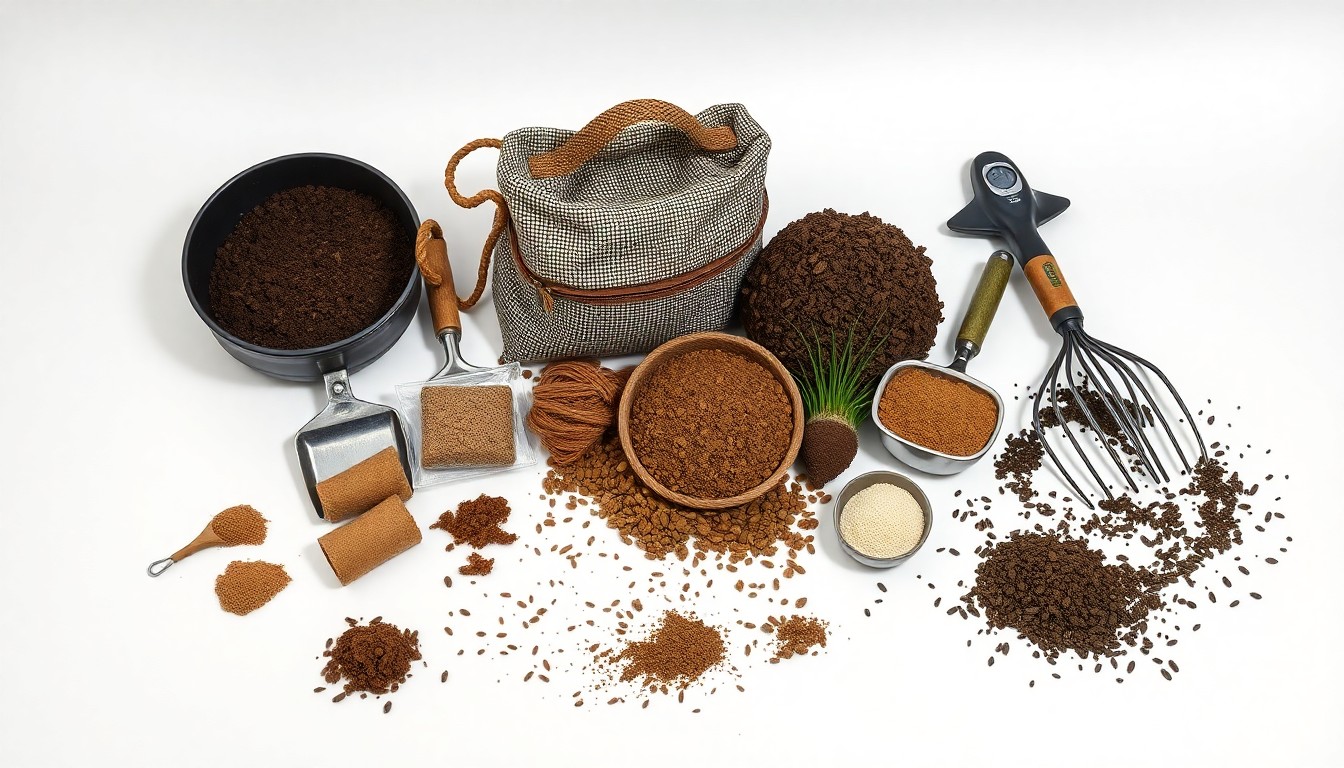 Hedrick's systematic soil testing and willingness to experiment with regenerative farming have helped him achieve record-breaking dryland corn yields.Hickory Today
Russell Hedrick, a first-generation farmer in Hickory, North Carolina, has set the world record for dryland corn yield. Hedrick's systematic soil testing and willingness to experiment with regenerative farming practices have allowed him to save over $100,000 on inputs in 2021 at his JRH Grain Farms operation.
Why it matters
Hedrick's story highlights how innovative no-till and regenerative farming techniques can boost yields and reduce input costs, even in challenging dryland conditions. His success could inspire other farmers to adopt similar practices and help advance sustainable agriculture in the region.
The details
At JRH Grain Farms, Hedrick relies on meticulous soil testing as a critical component of his day-to-day operations. Years of on-farm experimentation have allowed him to fine-tune his nutrient management and adopt regenerative practices that have boosted his dryland corn yields to record-setting levels.
- Hedrick set the world dryland corn yield record in 2021.
- Hedrick saved over $100,000 on inputs at his farm in 2021.
The players
Russell Hedrick
A first-generation farmer in Hickory, North Carolina, and the current holder of the world record for dryland corn yield.
JRH Grain Farms
Hedrick's farming operation in the foothills of Hickory, North Carolina, where he implements regenerative practices and meticulous soil testing.
The takeaway
Hedrick's success demonstrates how innovative no-till and regenerative farming techniques can boost yields and reduce input costs, even in challenging dryland conditions. His story could inspire other farmers to adopt similar practices and help advance sustainable agriculture in the region.
Hickory top stories

Hickory events

Apr. 24, 2026
Adam Church & Bailey Marie
Apr. 25, 2026
Live Again Tribute Fest
Apr. 26, 2026
Elvis Tribute