- Today
- Holidays
- Birthdays
- Reminders
- Cities
- Atlanta
- Austin
- Baltimore
- Berwyn
- Beverly Hills
- Birmingham
- Boston
- Brooklyn
- Buffalo
- Charlotte
- Chicago
- Cincinnati
- Cleveland
- Columbus
- Dallas
- Denver
- Detroit
- Fort Worth
- Houston
- Indianapolis
- Knoxville
- Las Vegas
- Los Angeles
- Louisville
- Madison
- Memphis
- Miami
- Milwaukee
- Minneapolis
- Nashville
- New Orleans
- New York
- Omaha
- Orlando
- Philadelphia
- Phoenix
- Pittsburgh
- Portland
- Raleigh
- Richmond
- Rutherford
- Sacramento
- Salt Lake City
- San Antonio
- San Diego
- San Francisco
- San Jose
- Seattle
- Tampa
- Tucson
- Washington
Fort Peck Today
By the People, for the People
Congress Advances Bills to Secure Alaska Native Rights and Support Water Resources
Subcommittee hearing focuses on protecting ivory sales, rural infrastructure, and water research
Apr. 6, 2026 at 4:36pm
Got story updates? Submit your updates here. ›
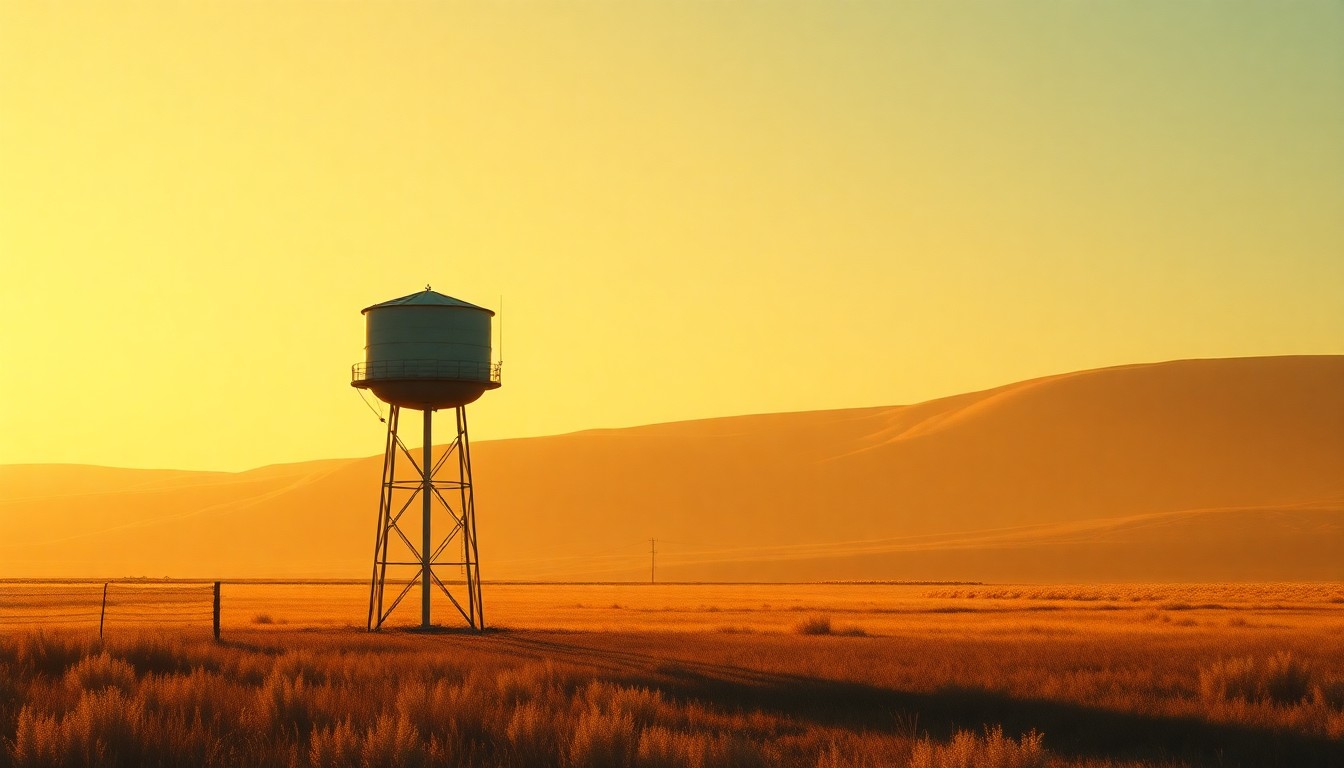 A serene rural water tower stands as a symbol of the critical infrastructure investments needed to support remote communities across the American West.Fort Peck Today
The Subcommittee on Water, Wildlife and Fisheries held a legislative hearing on several bills that aim to ensure Alaska Natives can continue selling ivory artwork and handicrafts, maintain critical water infrastructure in rural Montana, and bolster national water resources research and education initiatives.
Why it matters
These bills address long-standing issues around tribal sovereignty, rural development, and environmental sustainability. Securing Alaska Natives' right to sell ivory products protects an important cultural tradition, while investments in water infrastructure and research support the economic and ecological health of communities across the country.
The details
The hearing covered four key bills: the Alaska's Right To Ivory Sales and Tradition (ARTIST) Act, which would amend the Marine Mammal Protection Act to protect Alaska Natives' ability to sell ivory artwork; the bill supporting the Fort Peck Rural Water System in Montana; the Advancing Water Research and Collaboration (AWRC) Act to reauthorize water research programs; and the Chesapeake Bay Watershed Advancement for Training, Restoration, and Science (WATERS) Act to reauthorize NOAA's Chesapeake Bay Office.
- The Subcommittee on Water, Wildlife and Fisheries held the legislative hearing on April 6, 2026.
The players
Harriet Hageman
Chair of the Subcommittee on Water, Wildlife and Fisheries.
Nick Begich
U.S. Representative from Alaska, who introduced the ARTIST Act.
Troy Downing
U.S. Representative from Montana, who introduced the bill supporting the Fort Peck Rural Water System.
Rob Wittman
U.S. Representative from Virginia, who introduced the AWRC Act.
Bobby Scott
U.S. Representative from Virginia, who introduced the WATERS Act.
What they’re saying
“The Subcommittee on Water, Wildlife and Fisheries is driving a robust agenda on tribal autonomy and the proactive development of our resources. Congress is rolling back the administrative state to eliminate barriers for prosperity and deliver overdue investments in rural infrastructure.”
— Harriet Hageman, Chair of the Subcommittee on Water, Wildlife and Fisheries
What’s next
The bills discussed in the hearing will now move forward in the legislative process, with potential votes and further debate in the coming months.
The takeaway
This hearing demonstrates Congress' commitment to supporting Alaska Native communities, rural infrastructure, and the sustainable management of the nation's water resources - key priorities that impact economic development, environmental protection, and quality of life across the country.