- Today
- Holidays
- Birthdays
- Reminders
- Cities
- Atlanta
- Austin
- Baltimore
- Berwyn
- Beverly Hills
- Birmingham
- Boston
- Brooklyn
- Buffalo
- Charlotte
- Chicago
- Cincinnati
- Cleveland
- Columbus
- Dallas
- Denver
- Detroit
- Fort Worth
- Houston
- Indianapolis
- Knoxville
- Las Vegas
- Los Angeles
- Louisville
- Madison
- Memphis
- Miami
- Milwaukee
- Minneapolis
- Nashville
- New Orleans
- New York
- Omaha
- Orlando
- Philadelphia
- Phoenix
- Pittsburgh
- Portland
- Raleigh
- Richmond
- Rutherford
- Sacramento
- Salt Lake City
- San Antonio
- San Diego
- San Francisco
- San Jose
- Seattle
- Tampa
- Tucson
- Washington
Billings Area Braces for Spring Snow and Rain
Major storm system to bring mountain snow and valley rain through Friday before weekend warmth returns
Apr. 15, 2026 at 10:36pm
Got story updates? Submit your updates here. ›
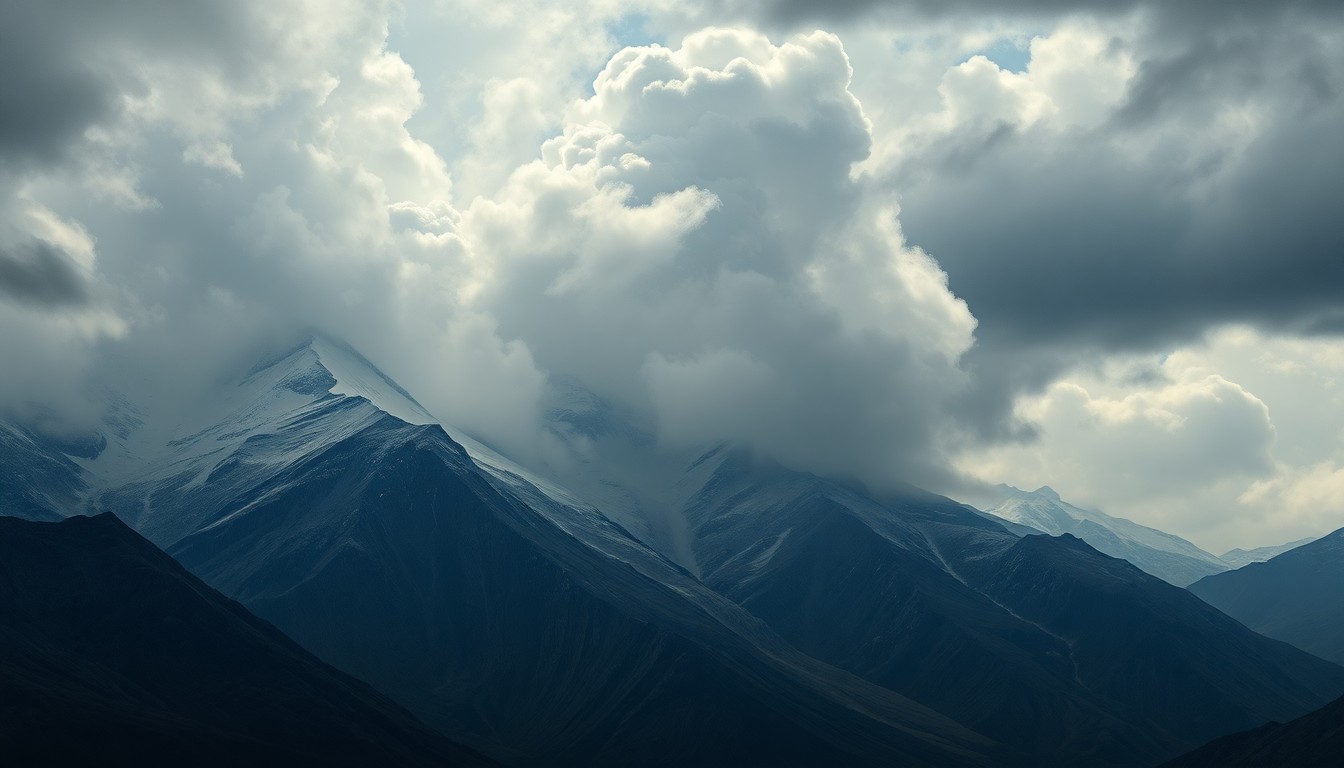 The Billings region braces for a sudden shift in spring weather, as a powerful storm system brings a return of snow and rain to the mountain ranges.Billings Today
A powerful spring storm system is set to impact the Billings, Montana area, bringing significant mountain snow and valley rain through Thursday. The Absaroka/Beartooth and Crazy Mountains could see over 12 inches of snow, while the Bighorn Mountains have a 50-90% chance of accumulating more than 6 inches. Lower elevations will see a mix of rain and snow, with the foothills potentially picking up 1-3 inches of wet, heavy snow that could make travel hazardous. The precipitation is expected to linger into Friday before clearing out, with a rapid warm-up over the weekend leading to widespread 60s and 70s by Sunday.
Why it matters
Spring weather patterns in Montana can be highly variable, with sudden shifts between winter and summer-like conditions. This storm system represents a significant weather event that could impact travel, outdoor activities, and agricultural operations in the region. Understanding the timing and intensity of these systems is crucial for residents and local authorities to prepare and respond effectively.
The details
The storm system is expected to move in from the south tonight, spreading precipitation across the entire region throughout Thursday. Mountain snow will fall steadily, with the Absaroka/Beartooth and Crazy Mountains seeing the highest chances of significant accumulation, potentially over 12 inches. The Bighorn Mountains also have a 50-90% chance of seeing more than 6 inches of snow. In the lower elevations, the precipitation will start as rain but transition to a mix of rain and snow as temperatures drop behind the advancing cold front. The foothills of the Absaroka/Beartooth and Bighorn ranges could see 1-3 inches of wet, heavy snow, which could make travel difficult. Gusty winds up to 45 mph will also contribute to blowing snow and reduced visibility.
- Precipitation begins from the south tonight, spreading across the entire region throughout Thursday.
- The Absaroka/Beartooth and Crazy Mountains have a 40-80% chance of seeing more than 12 inches of spring snow.
- The Bighorn Mountains have a 50-90% chance of accumulating over 6 inches of snow.
- The foothills of the Absaroka/Beartooth and Bighorn ranges will see 1-3 inches of wet, heavy snow on Thursday.
- Precipitation will linger into Friday before finally exiting Friday night.
The players
Absaroka/Beartooth Mountains
A mountain range located in south-central Montana and northern Wyoming, known for its high peaks and rugged terrain.
Crazy Mountains
A small mountain range located in south-central Montana, east of the Absaroka/Beartooth Mountains.
Bighorn Mountains
A mountain range located in north-central Wyoming and south-central Montana, known for its scenic beauty and outdoor recreation opportunities.
Rosebud County
A county in southeastern Montana, with the town of Forsyth as the county seat.
What’s next
Weather models are showing strong agreement that another upper-level trough will impact the region in the middle of next week, bringing another round of precipitation chances and cooler temperatures, potentially setting up another weather pattern change.
The takeaway
This spring storm system serves as a reminder of the unpredictable and rapidly changing weather patterns in Montana, underscoring the importance of staying informed and prepared for sudden shifts in conditions. While the warmer weather over the weekend will be welcomed, residents should be ready for the potential of another weather system disrupting the region in the coming days.