- Today
- Holidays
- Birthdays
- Reminders
- Cities
- Atlanta
- Austin
- Baltimore
- Berwyn
- Beverly Hills
- Birmingham
- Boston
- Brooklyn
- Buffalo
- Charlotte
- Chicago
- Cincinnati
- Cleveland
- Columbus
- Dallas
- Denver
- Detroit
- Fort Worth
- Houston
- Indianapolis
- Knoxville
- Las Vegas
- Los Angeles
- Louisville
- Madison
- Memphis
- Miami
- Milwaukee
- Minneapolis
- Nashville
- New Orleans
- New York
- Omaha
- Orlando
- Philadelphia
- Phoenix
- Pittsburgh
- Portland
- Raleigh
- Richmond
- Rutherford
- Sacramento
- Salt Lake City
- San Antonio
- San Diego
- San Francisco
- San Jose
- Seattle
- Tampa
- Tucson
- Washington
Biloxi's Black Spring Break Fades Amid Heavy Police Presence
Once a vibrant cultural celebration, the annual event now faces an uncertain future as community leaders raise concerns over policing and equity.
Apr. 13, 2026 at 5:13am
Got story updates? Submit your updates here. ›
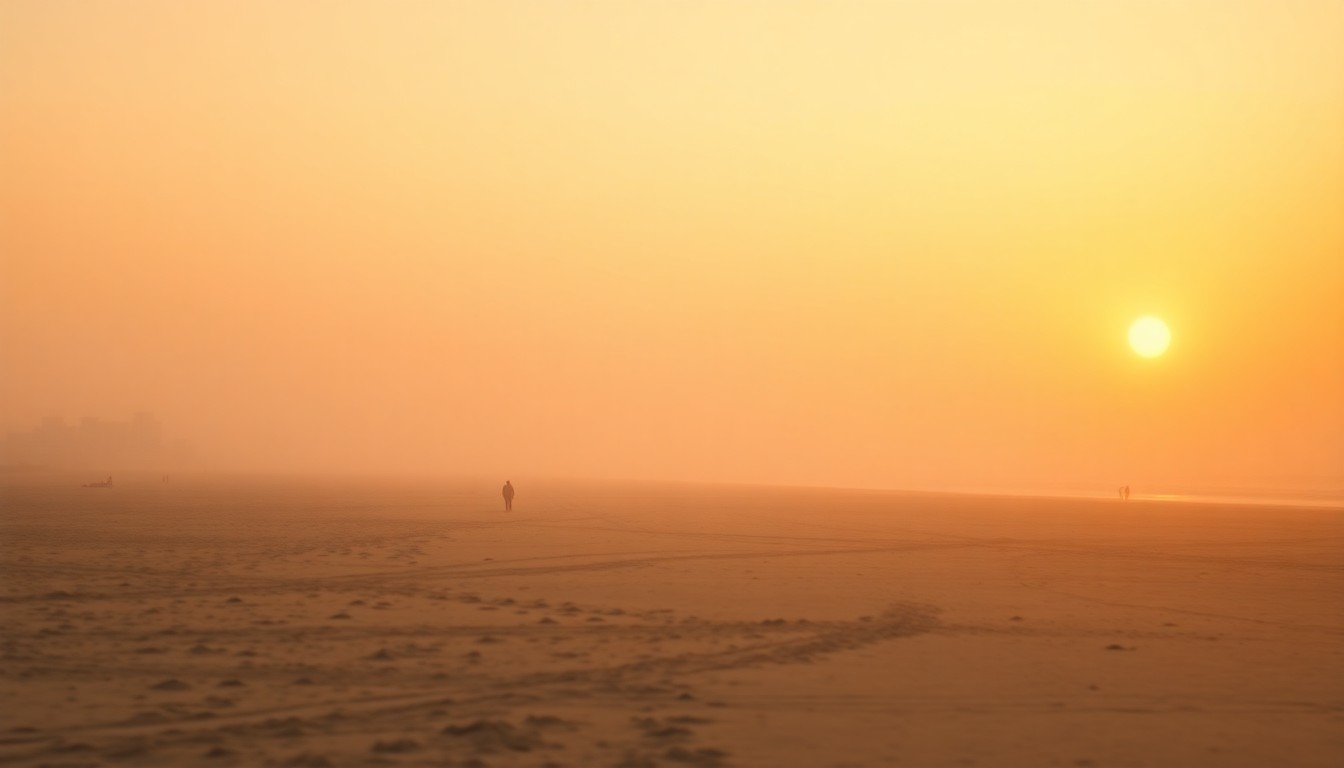 The once-vibrant Black Spring Break celebration in Biloxi now faces an uncertain future as heavy police presence and cultural tensions reshape the event.Biloxi Today
The once-bustling Black Spring Break in Biloxi, Mississippi has become a shadow of its former self, with attendees describing this year's event as the "worst they've ever seen." Locals attribute the decline to the heavy police presence, with 150 additional officers deployed, which they say sends a message that the gathering is a problem to be managed rather than a community to be celebrated. This raises questions about the disparate treatment of Black cultural events compared to predominantly white gatherings like Cruisin' The Coast.
Why it matters
The fading of Black Spring Break speaks to the broader erosion of safe spaces for marginalized communities, the impact of over-policing on communal gatherings, and the ways in which race continues to shape public policy. It's a microcosm of larger cultural and societal trends that highlight the need to rethink how we approach and support cultural events, ensuring they are celebrated rather than simply managed as potential threats.
The details
In recent years, the beaches of Biloxi have become eerily quiet during what was once a vibrant Black Spring Break celebration. Attendees like LaWanda Ellis have described this year's event as "the worst I've ever seen it." The Biloxi Police Department has deployed an additional 150 officers, sending a clear message that the gathering is a problem to be managed, not a community to be celebrated. This heavy police presence contrasts sharply with the handling of predominantly white events like Cruisin' The Coast, which Ellis observes is "more OK, because it's more white." Bertrand Eason, another attendee, notes that "people don't come out here to be harassed, people come out here to relax." The future of Black Spring Break remains uncertain, with the police department hesitant to downgrade the event's Tier 1 designation unless attendance remains low for "the next couple of years." This shift to digital spaces is both a survival tactic and a reflection of how communities are forced to innovate in the face of adversity.
- Black Spring Break has been a long-standing annual event in Biloxi, Mississippi.
- This year's Black Spring Break took place in April 2026.
The players
LaWanda Ellis
A local attendee who described this year's Black Spring Break as "the worst I've ever seen it."
Bertrand Eason
An attendee who noted that "people don't come out here to be harassed, people come out here to relax."
Biloxi Police Department
The local law enforcement agency that deployed an additional 150 officers to the Black Spring Break event, sending a message that the gathering is a problem to be managed.
What they’re saying
“It's like Cruisin' The Coast is more OK, because it's more white.”
— LaWanda Ellis, Attendee
“People don't come out here to be harassed, people come out here to relax.”
— Bertrand Eason, Attendee
What’s next
The Biloxi Police Department has indicated that they will only consider downgrading Black Spring Break's Tier 1 designation if attendance remains low for "the next couple of years." This decision will likely have a significant impact on the future of the event and the community's ability to gather and celebrate.
The takeaway
The fading of Black Spring Break in Biloxi is a reflection of the broader erosion of safe spaces for marginalized communities and the disparate treatment of cultural events based on race. This story highlights the need to rethink how we approach and support cultural gatherings, ensuring they are celebrated rather than simply managed as potential threats. The future of Black Spring Break remains uncertain, but this moment presents an opportunity to address deeper issues of equity, policing, and community.
Biloxi top stories

Biloxi events

Apr. 16, 2026
Victor Wainwight
Apr. 17, 2026
33rd Annual Crawfish Music Festival Friday
Apr. 17, 2026
Billy Allen & The Pollies