- Today
- Holidays
- Birthdays
- Reminders
- Cities
- Atlanta
- Austin
- Baltimore
- Berwyn
- Beverly Hills
- Birmingham
- Boston
- Brooklyn
- Buffalo
- Charlotte
- Chicago
- Cincinnati
- Cleveland
- Columbus
- Dallas
- Denver
- Detroit
- Fort Worth
- Houston
- Indianapolis
- Knoxville
- Las Vegas
- Los Angeles
- Louisville
- Madison
- Memphis
- Miami
- Milwaukee
- Minneapolis
- Nashville
- New Orleans
- New York
- Omaha
- Orlando
- Philadelphia
- Phoenix
- Pittsburgh
- Portland
- Raleigh
- Richmond
- Rutherford
- Sacramento
- Salt Lake City
- San Antonio
- San Diego
- San Francisco
- San Jose
- Seattle
- Tampa
- Tucson
- Washington
World Cup 2026: Groups, Bracket, and Predictions Unveiled
48 teams, including first-timers, set to compete in expanded tournament across North America
Apr. 11, 2026 at 5:06pm
Got story updates? Submit your updates here. ›
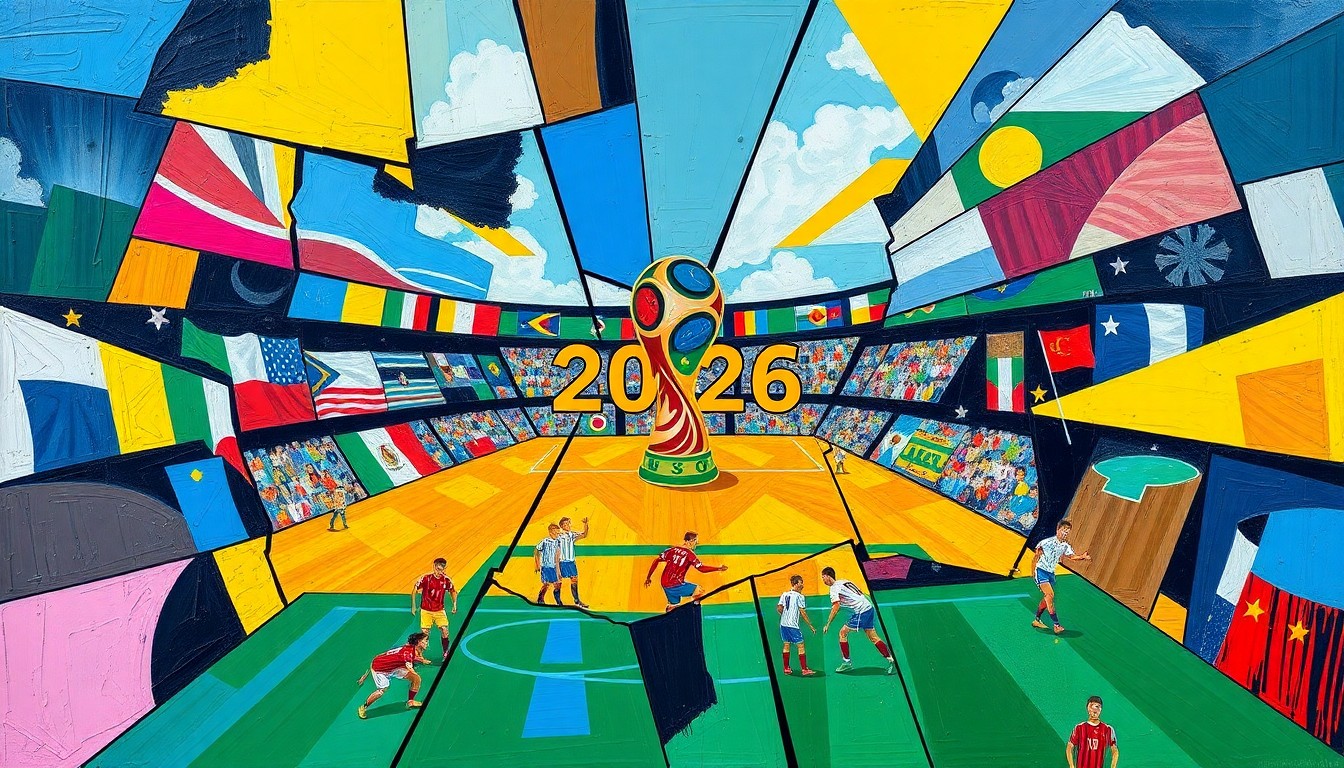 The 2026 World Cup's expanded format promises a tournament of contrasts, blending high-stakes drama with the global diversity of its participants.Kansas City Today
The 2026 World Cup is set to be the largest in history, with 48 teams competing across the United States, Canada, and Mexico. The expanded format brings new challenges and opportunities, with first-time qualifiers like Cape Verde, Curaçao, Uzbekistan, and Jordan joining traditional powerhouses. Experts predict a tournament of contrasts, balancing high-stakes drama and the passion of global fans.
Why it matters
The 2026 World Cup's expansion to 48 teams represents a significant shift in the tournament's inclusivity and global reach. While some question whether this will dilute the quality of play, others see it as an opportunity to inject fresh energy and narratives into the world's biggest sporting event. The logistical challenges of hosting matches across three countries also raise questions about the tournament's commercial interests versus the spirit of the game.
The details
The 2026 World Cup will feature 104 matches in total, a significant increase from previous editions. This expanded format brings both opportunities and challenges, from the potential for lopsided group stage matches to exorbitant ticket prices. Experts note that the tournament's host countries - the United States, Canada, and Mexico - have vastly different footballing cultures, adding another layer of complexity to the event.
- The 2026 World Cup is set to take place from June to July 2026.
- The group stage matches will be played from June 11 to June 27, 2026.
- The knockout rounds will commence on June 29, 2026, with the final scheduled for July 12, 2026.
The players
Kylian Mbappé
A French forward who is widely considered one of the best players in the world and a top contender for the tournament's best player award.
Lamine Yamal
A young Spanish midfielder who has been hailed as a rising star and could make a significant impact on the tournament.
Vitinha
A Portuguese midfielder who could play a key role for his national team in the 2026 World Cup.
Michael Olise
A French midfielder who has the potential to be a breakout star in the tournament.
Cristiano Ronaldo
A 41-year-old Portuguese forward who, despite his advanced age, could still make an impact as he seeks to win his first World Cup title.
What they’re saying
“The 2026 World Cup will be a tournament of contrasts, balancing the high-stakes drama of knockout football with the passion and joy of fans from around the world.”
— Author
“The expanded format could lead to some eye-catching goal tallies, especially in the group stage, but the knockout rounds will be a different beast altogether, where defensive solidity and tactical nous will come to the fore.”
— Author
“The 2026 World Cup is more than just a football tournament—it's a reflection of our globalized world, with all its complexities and contradictions.”
— Author
What’s next
The 2026 World Cup draw will take place in early 2026, with the full schedule and match locations to be announced shortly after. Fans will then be able to purchase tickets and plan their travel to the various host cities across North America.
The takeaway
The 2026 World Cup promises to be a truly global event, with the expanded 48-team format bringing new narratives and perspectives to the world's biggest sporting stage. While there are concerns about the potential impact on the quality of play, the tournament's ability to foster unity and celebrate the diversity of the sport's worldwide fanbase could make it a truly memorable edition.
Kansas City top stories



Kansas City events

Apr. 11, 2026
Kansas City Royals vs. Chicago White Sox
Apr. 11, 2026
Nitepunk
Apr. 11, 2026
Seth Meyers