- Today
- Holidays
- Birthdays
- Reminders
- Cities
- Atlanta
- Austin
- Baltimore
- Berwyn
- Beverly Hills
- Birmingham
- Boston
- Brooklyn
- Buffalo
- Charlotte
- Chicago
- Cincinnati
- Cleveland
- Columbus
- Dallas
- Denver
- Detroit
- Fort Worth
- Houston
- Indianapolis
- Knoxville
- Las Vegas
- Los Angeles
- Louisville
- Madison
- Memphis
- Miami
- Milwaukee
- Minneapolis
- Nashville
- New Orleans
- New York
- Omaha
- Orlando
- Philadelphia
- Phoenix
- Pittsburgh
- Portland
- Raleigh
- Richmond
- Rutherford
- Sacramento
- Salt Lake City
- San Antonio
- San Diego
- San Francisco
- San Jose
- Seattle
- Tampa
- Tucson
- Washington
Rochester Seeks Proposals for Housing Development on City Land
The city is accepting bids to redevelop two residential parcels for owner-occupied 'missing middle' housing.
Apr. 16, 2026 at 9:52pm
Got story updates? Submit your updates here. ›
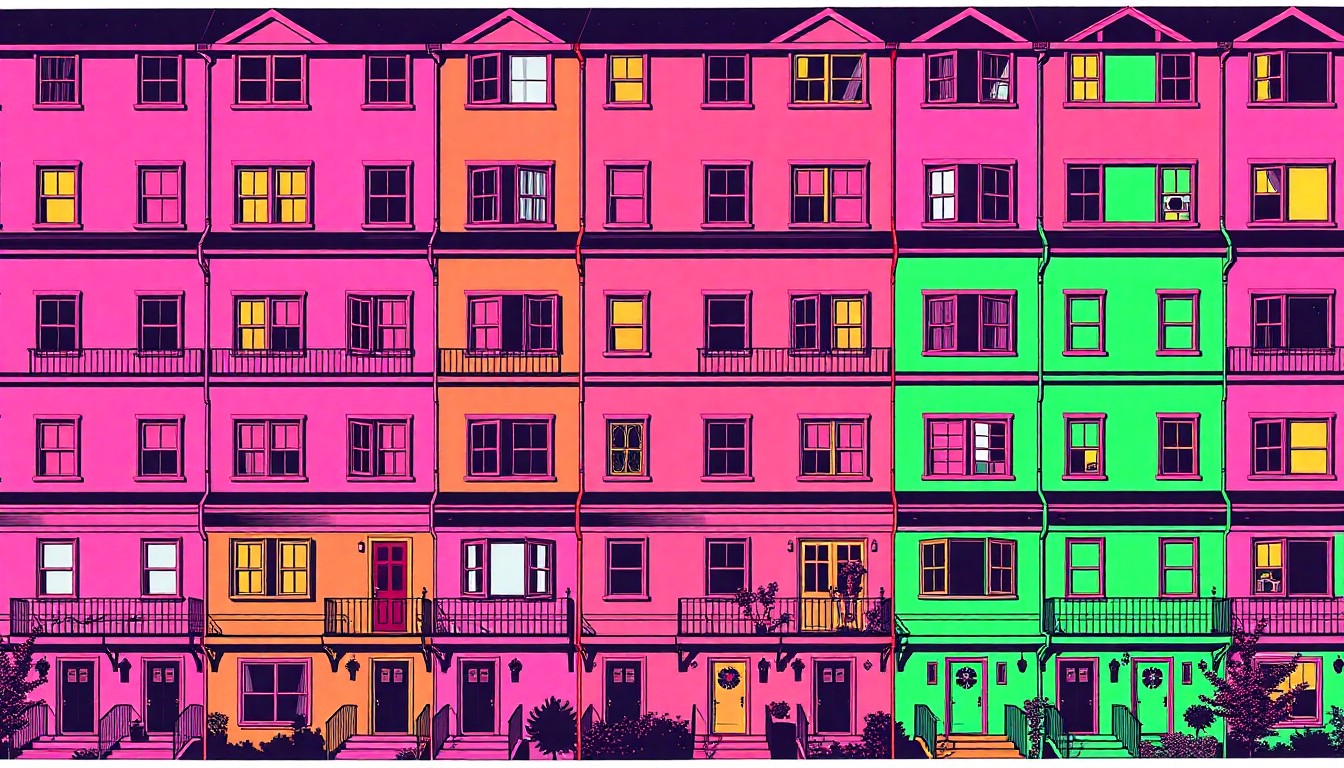 Rochester's push to redevelop city-owned land aims to spur new housing options that cater to a range of homebuyers.Rochester Today
The City of Rochester, Minnesota is looking to sell and redevelop two city-owned residential parcels to advance its housing goals. The city is accepting proposals from qualified individuals, for-profit developers, and non-profit housing organizations to purchase and redevelop the land for residential use, with a focus on owner-occupied 'missing middle' housing types like townhomes.
Why it matters
Rochester, like many cities, is facing a housing shortage and affordability crisis. By making underutilized city-owned land available for redevelopment, the city hopes to spur the creation of more diverse and accessible housing options for residents.
The details
The two parcels available for redevelopment are located in the Durand subdivision and Hilmer's High View Acres neighborhoods. The city is encouraging proposals that will result in owner-occupied housing, particularly 'missing middle' housing types like townhomes that can provide more affordable options between single-family homes and large apartment complexes.
- Proposals are due on May 22, 2026.
The players
City of Rochester
The local government of Rochester, Minnesota that owns the residential parcels and is seeking redevelopment proposals.
What’s next
After the May 22 proposal deadline, the city will review the submissions and select a developer or developers to purchase and redevelop the parcels for residential use.
The takeaway
This initiative by the City of Rochester demonstrates its commitment to addressing the local housing shortage by leveraging underutilized public land to spur the creation of more diverse and affordable housing options for residents.
Rochester top stories

Rochester events
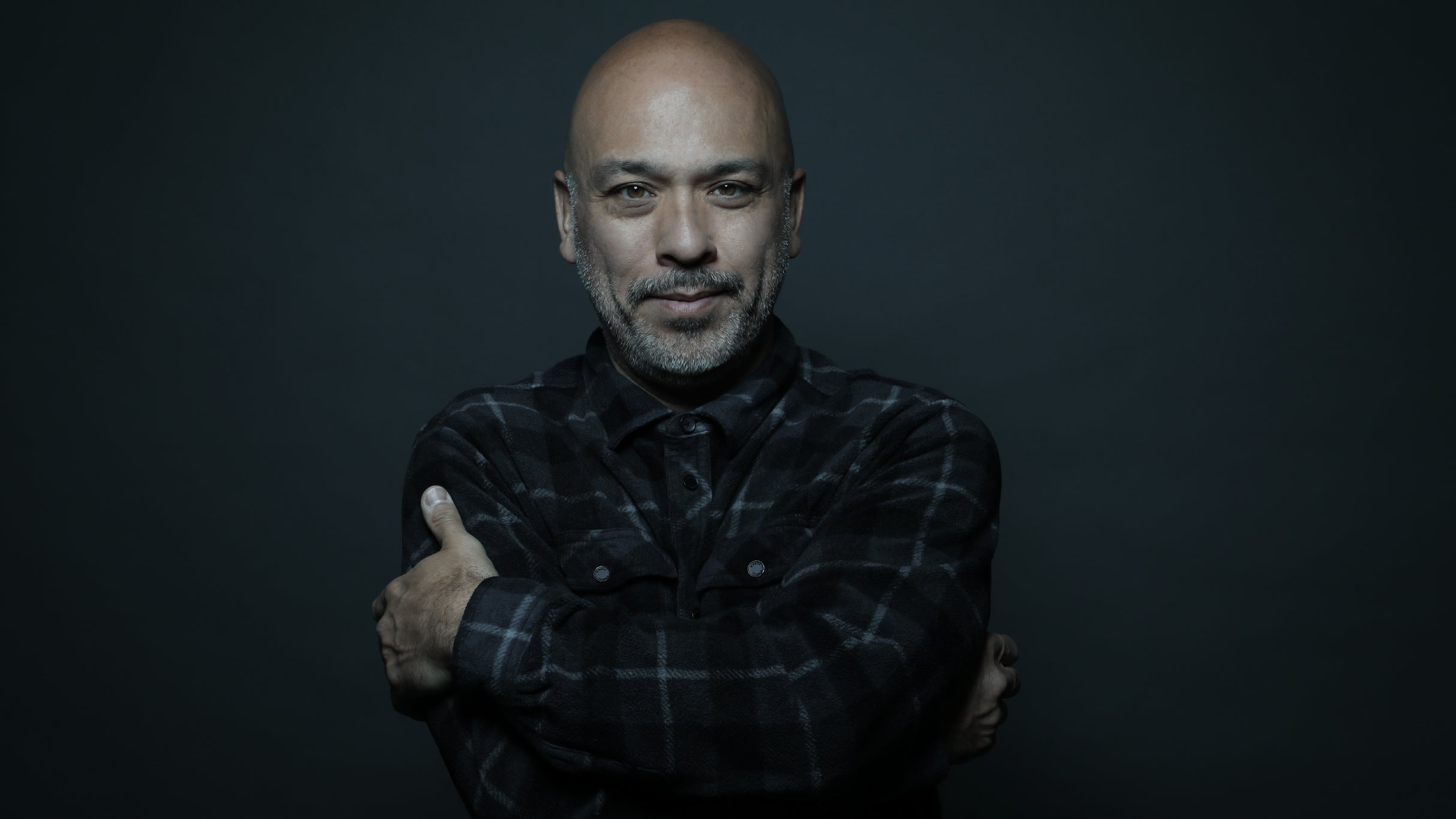
Apr. 18, 2026
Jo Koy: Just Being Koy Tour