- Today
- Holidays
- Birthdays
- Reminders
- Cities
- Atlanta
- Austin
- Baltimore
- Berwyn
- Beverly Hills
- Birmingham
- Boston
- Brooklyn
- Buffalo
- Charlotte
- Chicago
- Cincinnati
- Cleveland
- Columbus
- Dallas
- Denver
- Detroit
- Fort Worth
- Houston
- Indianapolis
- Knoxville
- Las Vegas
- Los Angeles
- Louisville
- Madison
- Memphis
- Miami
- Milwaukee
- Minneapolis
- Nashville
- New Orleans
- New York
- Omaha
- Orlando
- Philadelphia
- Phoenix
- Pittsburgh
- Portland
- Raleigh
- Richmond
- Rutherford
- Sacramento
- Salt Lake City
- San Antonio
- San Diego
- San Francisco
- San Jose
- Seattle
- Tampa
- Tucson
- Washington
Northfield Today
By the People, for the People
Minnesota Rep. Pursell Pushes for Stricter Oversight of Large Dairy Operations
Legislation would require environmental impact statements for farms with over 10,000 animal units
Apr. 14, 2026 at 3:18pm
Got story updates? Submit your updates here. ›
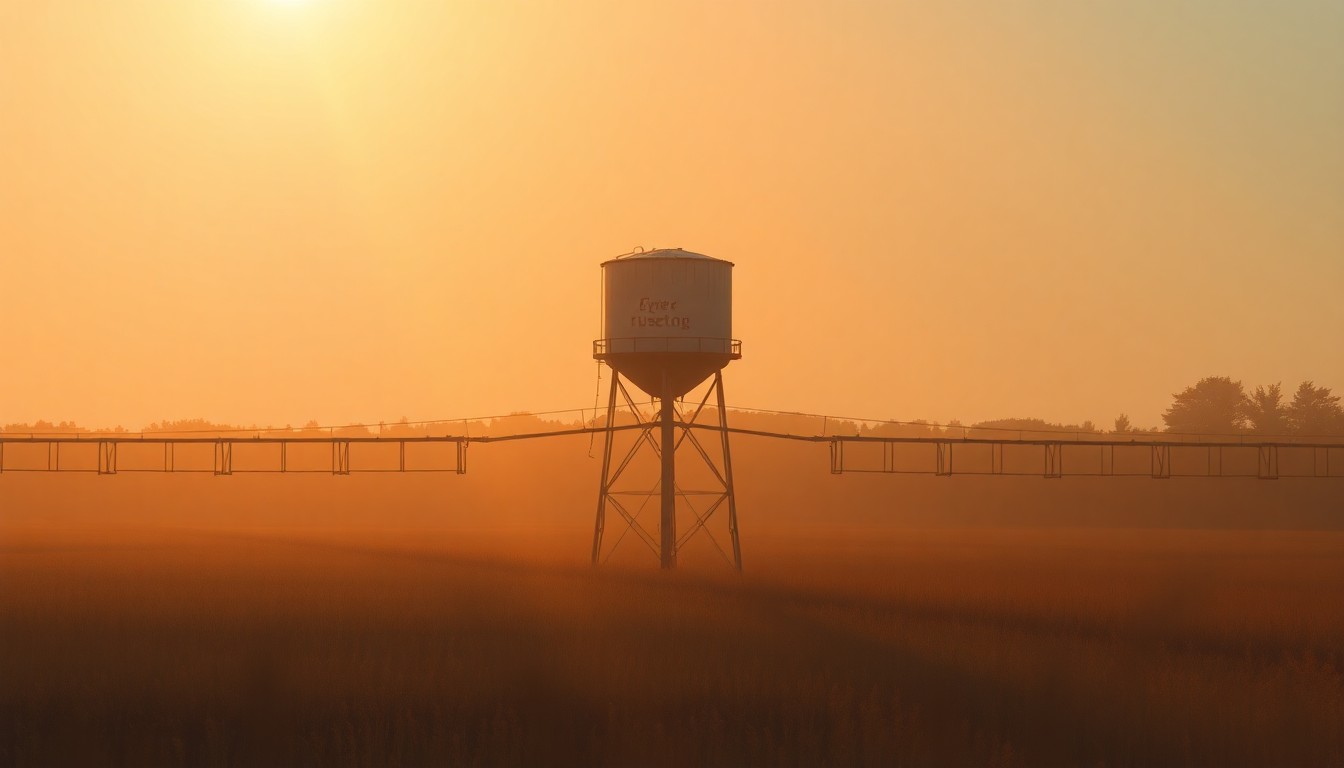 As Minnesota grapples with the environmental impact of large-scale dairy operations, a lone water tower stands as a symbol of the state's delicate balance between agricultural interests and the need to protect its precious water resources.Northfield Today
Rep. Kristi Pursell, a Democrat from Northfield, Minnesota, has reintroduced legislation that would require mandatory environmental impact statements for agricultural projects with 10,000 animal units or more. Pursell's main concern is the impact of these 'hyperscale' livestock operations, particularly large dairies, on the state's groundwater resources.
Why it matters
As drought and water scarcity issues become more pressing in other parts of the country, Minnesota is facing increased pressure from large agricultural companies looking to tap into the state's relatively abundant water resources. Pursell argues that stronger environmental review is needed to prevent potential conflicts and protect local water supplies.
The details
Pursell's bill would expand the current requirement for an environmental assessment worksheet, which only applies to operations with 1,000 or more animal units. She pointed to the example of Riverview Dairy, which is seeking to expand one of its Minnesota locations to 26,000 animal units, or nearly 19,000 cattle. Pursell said these large-scale operations can tap into deeper aquifers, potentially harming neighboring wells, as has been seen in enforcement actions against the same company in Arizona.
- Pursell reintroduced the legislation this week as the Minnesota House Agriculture Committee returned from spring break.
- The committee hearing came as lawmakers entered the final stretch of the 2026 legislative session, with a key deadline looming next week.
The players
Rep. Kristi Pursell
A Democratic state representative from Northfield, Minnesota, who has made the environmental impact of large-scale livestock operations one of her top priorities.
Riverview Dairy
A large dairy company that is seeking to expand one of its Minnesota operations to 26,000 animal units, or nearly 19,000 cattle.
What they’re saying
“These big operations can come in, they can tap into an aquifer that's much deeper than the local neighbors.”
— Rep. Kristi Pursell, State Representative
“Minnesota is beginning to feel pressure because it remains relatively water-rich compared with states in the West, where drought and overuse have already forced tough conversations about allocation.”
— Rep. Kristi Pursell, State Representative
What’s next
The committee hearing on Pursell's bill is expected to be followed by a vote in the coming weeks, as the Minnesota legislature works to wrap up its 2026 session.
The takeaway
This legislation highlights the growing tensions between the expansion of large-scale agricultural operations and the need to protect local water resources, especially as climate change exacerbates water scarcity issues in other parts of the country. The outcome of this bill could set an important precedent for how Minnesota balances the interests of the agricultural industry and environmental concerns.