- Today
- Holidays
- Birthdays
- Reminders
- Cities
- Atlanta
- Austin
- Baltimore
- Berwyn
- Beverly Hills
- Birmingham
- Boston
- Brooklyn
- Buffalo
- Charlotte
- Chicago
- Cincinnati
- Cleveland
- Columbus
- Dallas
- Denver
- Detroit
- Fort Worth
- Houston
- Indianapolis
- Knoxville
- Las Vegas
- Los Angeles
- Louisville
- Madison
- Memphis
- Miami
- Milwaukee
- Minneapolis
- Nashville
- New Orleans
- New York
- Omaha
- Orlando
- Philadelphia
- Phoenix
- Pittsburgh
- Portland
- Raleigh
- Richmond
- Rutherford
- Sacramento
- Salt Lake City
- San Antonio
- San Diego
- San Francisco
- San Jose
- Seattle
- Tampa
- Tucson
- Washington
Minnesota DNR Expands Burn Restrictions Amid High Fire Risk
Restrictions now cover 30 counties as warm, dry conditions elevate wildfire danger across the state.
Apr. 20, 2026 at 12:55am
Got story updates? Submit your updates here. ›
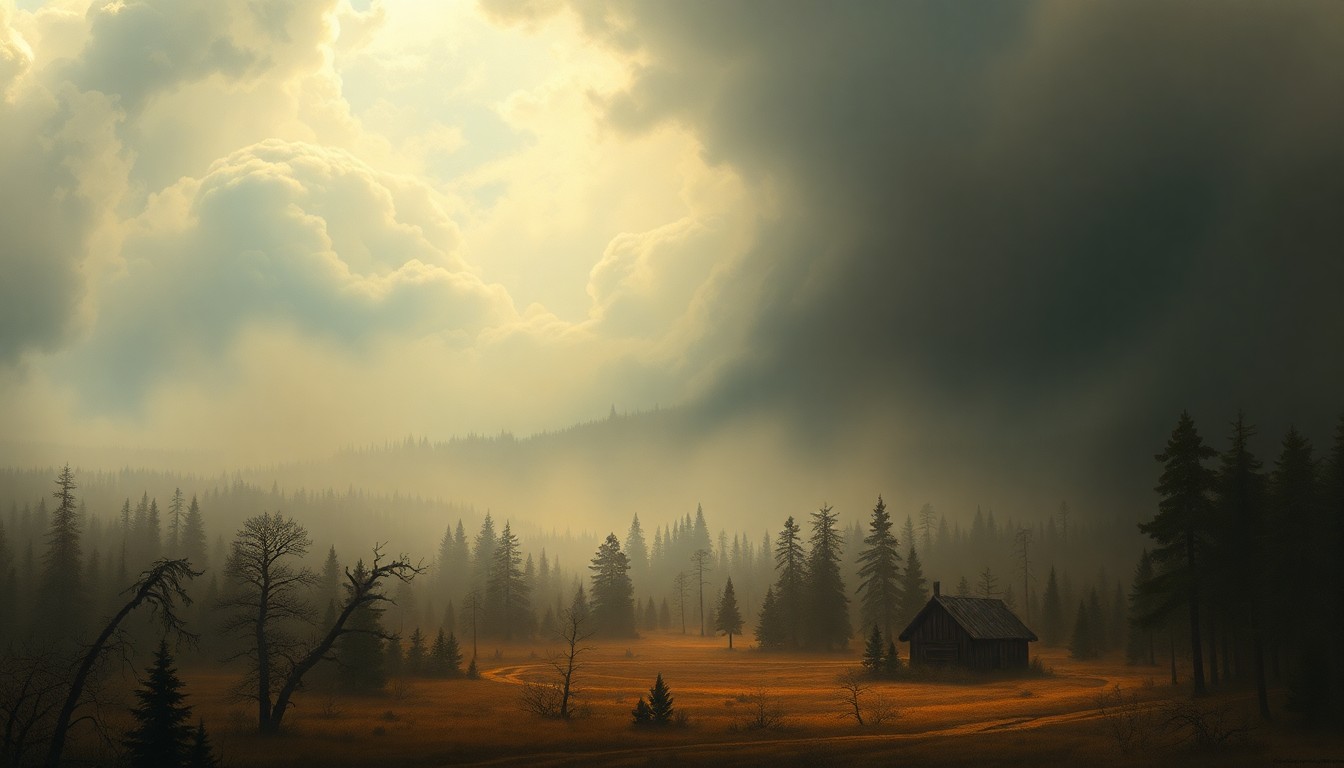 As warm, dry conditions elevate the risk of wildfires across Minnesota, the state's expanded burn restrictions aim to prevent accidental blazes from escaping and threatening local communities.Minneapolis Today
The Minnesota Department of Natural Resources (DNR) has expanded its burn restrictions to include 15 additional counties, bringing the total number of counties under the restrictions to 30. The restrictions prohibit open burning of vegetative debris, as fires from such burning are the leading cause of wildfires in the state. The DNR cites warm and dry conditions elevating the risk of wildfires as the reason for the expanded restrictions.
Why it matters
Wildfires pose a serious threat to communities in Minnesota, and the DNR's burn restrictions are an important tool to help prevent these fires from starting and spreading. By limiting open burning during high-risk periods, the restrictions have helped reduce the number of wildfires in the state by over 30% in the past decade.
The details
The burn restrictions, which went into effect at 8 a.m. on Monday, April 20th, now cover the following counties: Becker, Beltrami North, Carlton, Clearwater, Itasca, Kittson, Koochiching, Lake of the Woods, Mahnomen, Marshall, Pennington, Polk, Red Lake, Roseau, and St. Louis. These counties join the previously restricted areas of Hennepin, Ramsey, Anoka, Stearns, Washington, Aitkin, Beltrami South, Benton, Cass, Chisago, Clay, Crow Wing, Douglas, Grant, Hubbard, Isanti, Kanabec, Mille Lacs, Morrison, Norman, Otter Tail, Pine, Pope, Sherburne, Stevens, Todd, Traverse, Wadena, Wilkin, and Wright.
- The burn restrictions went into effect at 8 a.m. on Monday, April 20th, 2026.
- The restrictions will remain in place until they are lifted by the DNR.
The players
Minnesota Department of Natural Resources (DNR)
The state agency responsible for managing and protecting Minnesota's natural resources, including forests and wildlands.
Karen Harrison
A DNR wildfire prevention specialist who commented on the expanded burn restrictions.
What they’re saying
“Warm and dry conditions elevate the risk of wildfires, and restricting open burning helps prevent a burn pile from escaping and becoming a wildfire during times of high risk.”
— Karen Harrison, DNR Wildfire Prevention Specialist
What’s next
The DNR will continue to monitor fire danger levels across Minnesota and may adjust the burn restrictions as needed. Residents in the affected counties are advised to check the DNR's website for the latest updates on the restrictions.
The takeaway
The DNR's expanded burn restrictions underscore the heightened wildfire risk facing Minnesota due to warm and dry conditions. By limiting open burning, the state aims to prevent accidental fires from starting and spreading, protecting communities and natural resources. This proactive approach has proven effective in reducing wildfires over the past decade.
Minneapolis top stories


Minneapolis events

Apr. 20, 2026
Ty Segall
Apr. 21, 2026
Wizard Of Oz
Apr. 22, 2026
Luis Elizondo - Persona Non Grata Tour