- Today
- Holidays
- Birthdays
- Reminders
- Cities
- Atlanta
- Austin
- Baltimore
- Berwyn
- Beverly Hills
- Birmingham
- Boston
- Brooklyn
- Buffalo
- Charlotte
- Chicago
- Cincinnati
- Cleveland
- Columbus
- Dallas
- Denver
- Detroit
- Fort Worth
- Houston
- Indianapolis
- Knoxville
- Las Vegas
- Los Angeles
- Louisville
- Madison
- Memphis
- Miami
- Milwaukee
- Minneapolis
- Nashville
- New Orleans
- New York
- Omaha
- Orlando
- Philadelphia
- Phoenix
- Pittsburgh
- Portland
- Raleigh
- Richmond
- Rutherford
- Sacramento
- Salt Lake City
- San Antonio
- San Diego
- San Francisco
- San Jose
- Seattle
- Tampa
- Tucson
- Washington
Minneapolis Nonalcoholic Bottle Shop Faces Closure as Alcohol-Free Drinks Become More Widely Available
Marigold, one of the last remaining nonalcoholic bottle shops in Minneapolis, is at risk of shutting down as larger retailers start stocking more alcohol-free beverages.
Apr. 17, 2026 at 11:22pm
Got story updates? Submit your updates here. ›
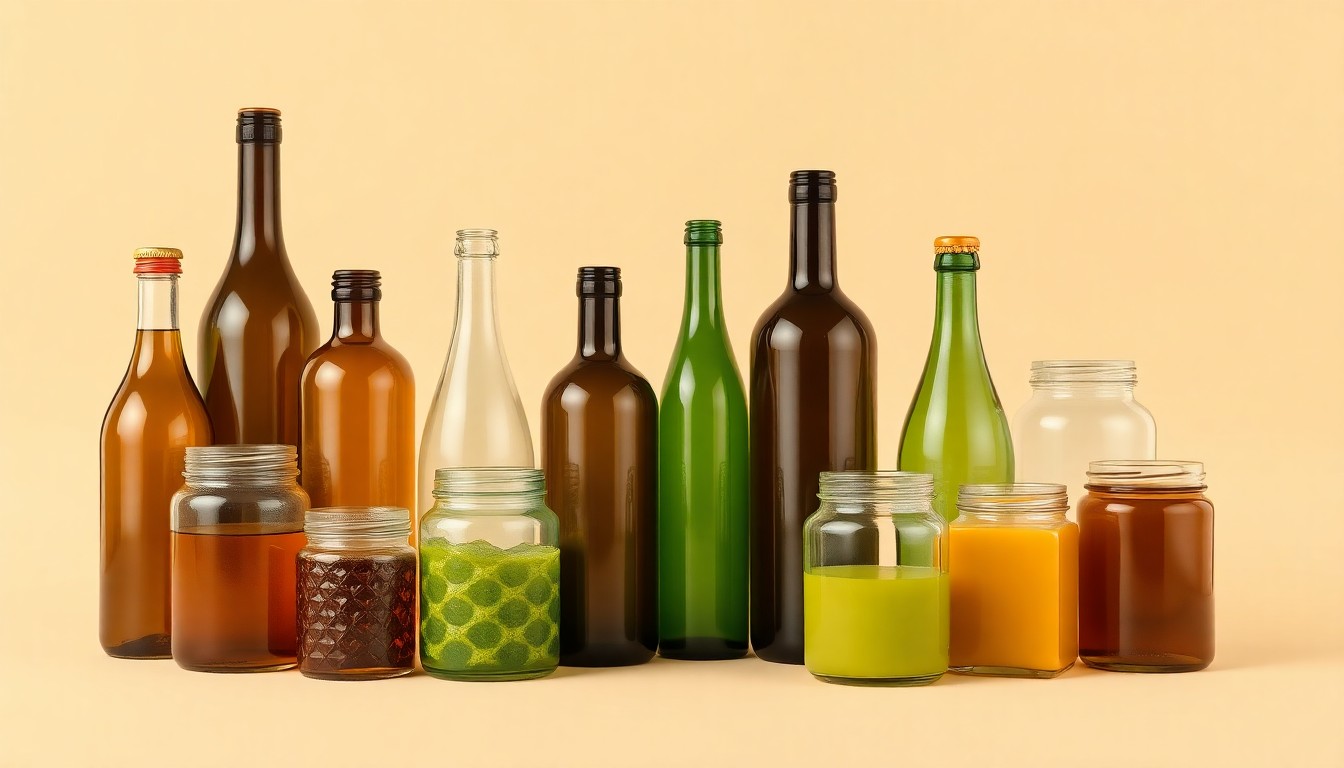 As the nonalcoholic beverage market becomes more mainstream, specialty shops like Marigold face an uncertain future in the face of increased competition from larger retailers.Minneapolis Today
Marigold, a nonalcoholic bottle shop in Minneapolis, is at risk of closing as the popularity of alcohol-free drinks has led to their wider distribution through larger retailers, making it harder for specialty shops like Marigold to compete. Owner Erin Flavin opened Marigold in 2022 after purchasing the building from her landlord, where she had previously operated a salon. Marigold's St. Paul location closed in late March, leaving the Minneapolis shop in uncertainty.
Why it matters
The potential closure of Marigold highlights the challenges faced by small, specialty retailers as larger chains and mainstream retailers expand their offerings of nonalcoholic beverages. This shift in consumer behavior and distribution patterns is impacting the viability of dedicated nonalcoholic bottle shops, which had emerged to serve a growing demand for alcohol-free options.
The details
Flavin opened Marigold in 2022 after purchasing the building from her landlord, where she had previously operated a salon. Before opening Marigold, Flavin had been sober for five years and wanted to create a space for herself and others who wanted to socialize without alcohol. The opening of Marigold was a huge success, and Flavin later opened a second location in St. Paul. However, two years ago, Flavin saw a shift in the market, as larger retailers started stocking more nonalcoholic drinks, making it harder for specialty shops like Marigold to compete. This led to the closure of the St. Paul location in late March, leaving the Minneapolis shop in uncertainty.
- Flavin opened Marigold in 2022 after purchasing the building from her landlord.
- Flavin had been sober for five years before opening Marigold.
- Flavin opened a second Marigold location in St. Paul just a year after the Minneapolis store opened.
- Two years ago, Flavin saw a shift in the market as larger retailers started stocking more nonalcoholic drinks.
- Marigold's St. Paul location closed in late March 2026.
The players
Erin Flavin
The owner of Marigold, a nonalcoholic bottle shop in Minneapolis. Flavin opened Marigold in 2022 after purchasing the building from her landlord, where she had previously operated a salon. Flavin had been sober for five years before opening Marigold.
Marigold
A nonalcoholic bottle shop in Minneapolis that is at risk of closing due to the increasing availability of alcohol-free drinks at larger retailers.
What they’re saying
“I have been sober for five years. Not having that ceremony that you love at the end of the day, cooking and having a bottle of wine was something I really missed.”
— Erin Flavin, Owner, Marigold
“Never in my wildest dream did I think that something that was this important to me would have taken off the way it did.”
— Erin Flavin, Owner, Marigold
“Brands ended up in liquor warehouses so they got mass distribution.”
— Erin Flavin, Owner, Marigold
What’s next
Flavin is weighing her options, including potentially closing the shop and reopening as a nail salon, but says the community is too important to give up on. She is hoping for continued support from the local community to help Marigold survive.
The takeaway
The potential closure of Marigold highlights the challenges faced by small, specialty retailers as the nonalcoholic beverage market becomes more mainstream and accessible through larger retailers. This shift in consumer behavior and distribution patterns is impacting the viability of dedicated nonalcoholic bottle shops, raising questions about the future of this niche market.
Minneapolis top stories


Minneapolis events


Apr. 17, 2026
Josh Garrels with special guest Taylor Armstrong