- Today
- Holidays
- Birthdays
- Reminders
- Cities
- Atlanta
- Austin
- Baltimore
- Berwyn
- Beverly Hills
- Birmingham
- Boston
- Brooklyn
- Buffalo
- Charlotte
- Chicago
- Cincinnati
- Cleveland
- Columbus
- Dallas
- Denver
- Detroit
- Fort Worth
- Houston
- Indianapolis
- Knoxville
- Las Vegas
- Los Angeles
- Louisville
- Madison
- Memphis
- Miami
- Milwaukee
- Minneapolis
- Nashville
- New Orleans
- New York
- Omaha
- Orlando
- Philadelphia
- Phoenix
- Pittsburgh
- Portland
- Raleigh
- Richmond
- Rutherford
- Sacramento
- Salt Lake City
- San Antonio
- San Diego
- San Francisco
- San Jose
- Seattle
- Tampa
- Tucson
- Washington
Keke Palmer's 'The 'Burbs' Reboot Fails to Impress
Peacock's new suburban comedy series falls flat, critics say
Published on Feb. 8, 2026
Got story updates? Submit your updates here. ›
In 2026, a new reboot of the classic 1989 film "The 'Burbs" premieres on Peacock, starring Keke Palmer as a new resident of the fictional suburban town of Ashfield Place, New Jersey. However, the show is being panned by critics as a "bland, redundant" take on the original that fails to capture the same magic.
Why it matters
The reboot of "The 'Burbs" was seen as an opportunity to revisit the cult classic comedy with a fresh perspective, but the execution has fallen short. As audiences continue to demand more diverse and innovative content, this missed opportunity highlights the challenges of reviving beloved properties without adding meaningful new elements.
The details
The new "The 'Burbs" series follows Samira, played by Keke Palmer, as she moves into the supposedly "safest town in America," only to discover a hidden history of violence. Critics have argued that the show retreads familiar suburban satire tropes without bringing anything new to the table, resulting in a bland and redundant viewing experience.
- The "The 'Burbs" reboot premiered on Peacock on February 8, 2026.
The players
Keke Palmer
An American actress, singer, and television personality who stars as the lead character, Samira, in the "The 'Burbs" reboot.
Peacock
An American over-the-top streaming service owned by NBCUniversal, a subsidiary of Comcast, which is the exclusive home of the "The 'Burbs" reboot.
What they’re saying
“Even if you set reality aside (a reasonable request for a network comedy), seeing 'the safest town in America' scrawled under a roadside welcome sign should register less as a reassurance than a red flag.”
— Ben Travers (IMDb)
The takeaway
The disappointing reception of the "The 'Burbs" reboot highlights the challenges of reviving beloved properties without adding meaningful new elements or perspectives. As audiences continue to demand more diverse and innovative content, this missed opportunity serves as a cautionary tale for studios looking to cash in on nostalgia without putting in the creative work to truly reinvent a classic.
Minneapolis top stories


Minneapolis events

Mar. 9, 2026
BENEE: Particles Tour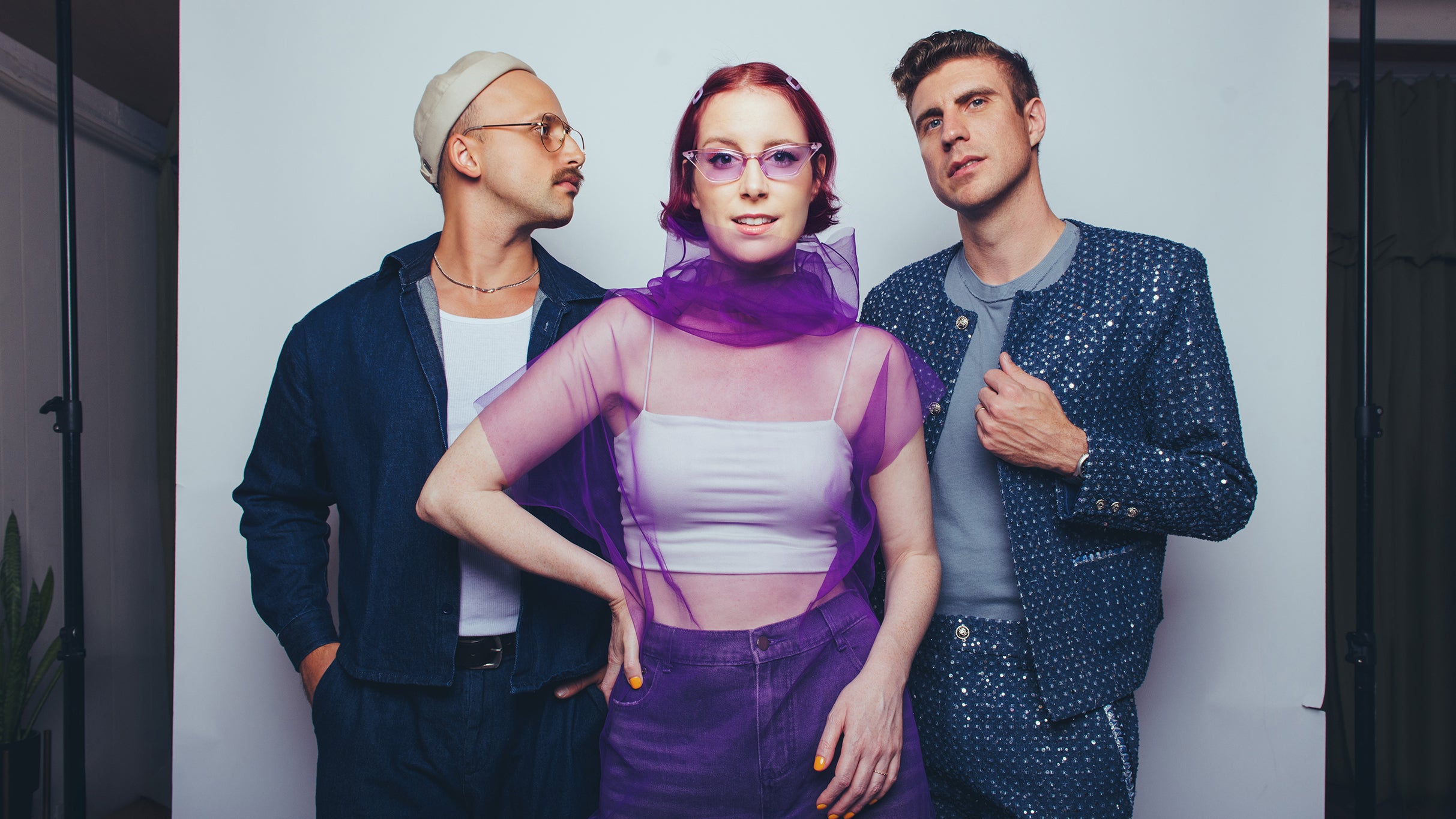
Mar. 10, 2026
Moonchild: Waves Tour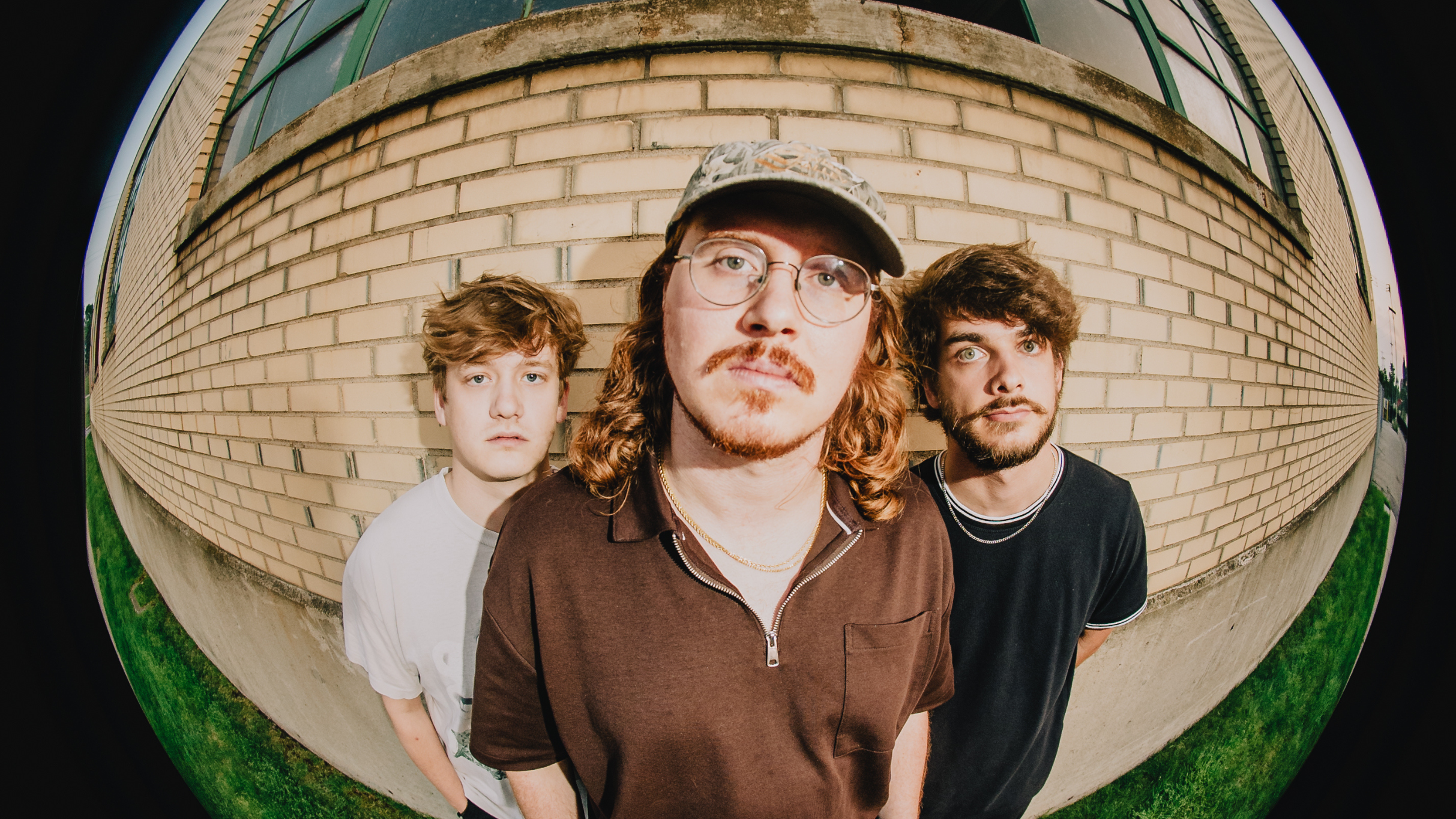
Mar. 11, 2026
saturdays at your place