- Today
- Holidays
- Birthdays
- Reminders
- Cities
- Atlanta
- Austin
- Baltimore
- Berwyn
- Beverly Hills
- Birmingham
- Boston
- Brooklyn
- Buffalo
- Charlotte
- Chicago
- Cincinnati
- Cleveland
- Columbus
- Dallas
- Denver
- Detroit
- Fort Worth
- Houston
- Indianapolis
- Knoxville
- Las Vegas
- Los Angeles
- Louisville
- Madison
- Memphis
- Miami
- Milwaukee
- Minneapolis
- Nashville
- New Orleans
- New York
- Omaha
- Orlando
- Philadelphia
- Phoenix
- Pittsburgh
- Portland
- Raleigh
- Richmond
- Rutherford
- Sacramento
- Salt Lake City
- San Antonio
- San Diego
- San Francisco
- San Jose
- Seattle
- Tampa
- Tucson
- Washington
Barnum Today
By the People, for the People
Women in Carlton County Stepped Up to Support Troops and Refugees During WWII
Knitting, sewing, and other homemaking skills became vital contributions to the war effort.
Apr. 3, 2026 at 12:00am
Got story updates? Submit your updates here. ›
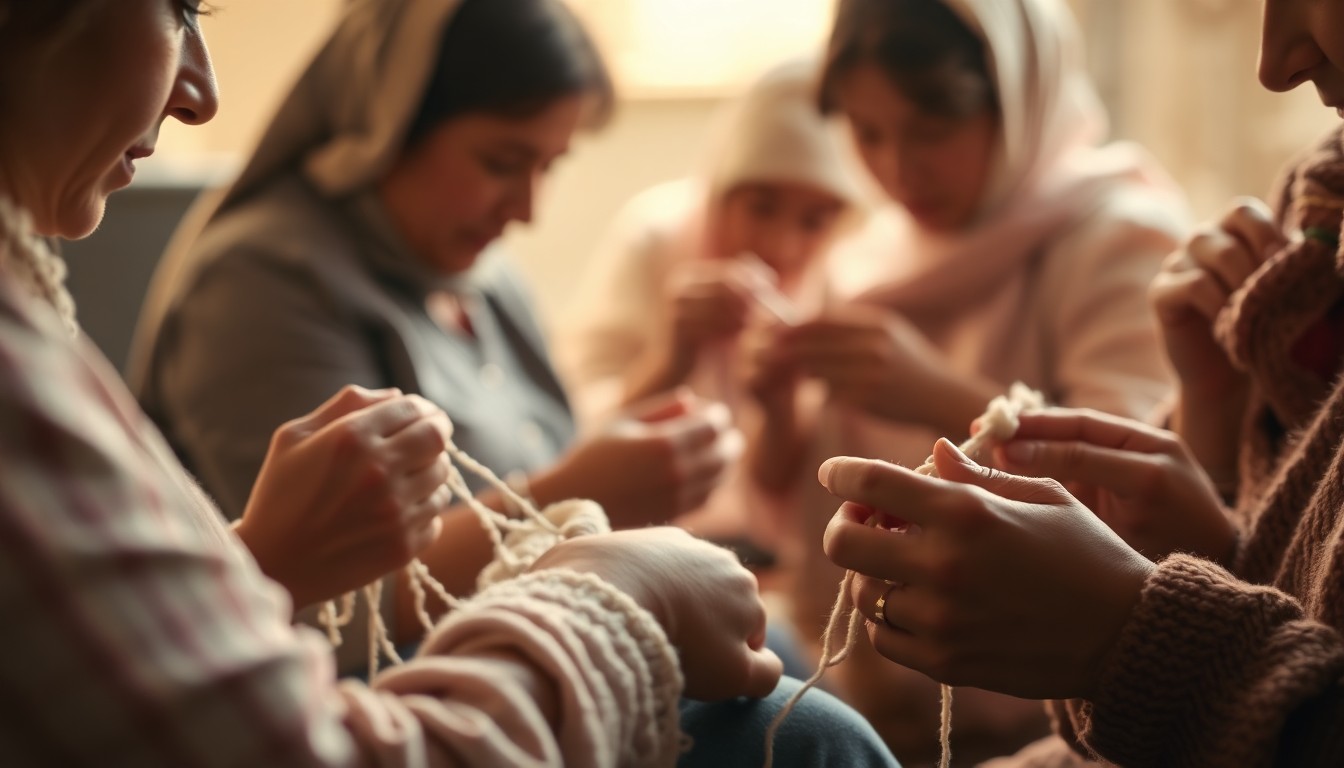 The women of Carlton County channeled their homemaking skills into a vital wartime effort, knitting and sewing thousands of items for troops and refugees.Barnum Today
During World War II, the women of Carlton County, Minnesota played a crucial role in supporting troops and aiding refugees through their skills in knitting, sewing, and other homemaking tasks. The Red Cross coordinated these efforts, providing materials and setting quotas for the production of items like helmet liners, sweaters, and garments that were shipped to troops and refugee centers around the world. In just two years, these women knitted over 1,500 pieces and sewed 10,000 garments, showcasing their remarkable dedication and resourcefulness in the face of wartime needs.
Why it matters
The story of Carlton County's women during WWII highlights how traditional homemaking skills became essential to the war effort, as American factories struggled to keep up with the demand for clothing and other textiles. It also serves as a reminder that skills like knitting and sewing, which are often viewed as hobbies today, can become vital in times of crisis or disruption to global supply chains.
The details
The Red Cross coordinated the work of Carlton County's women, organizing departments for sewing, knitting, and assembling comfort kits for soldiers. They provided patterns, yarn, and fabric, and set quotas for production. In 1942, a knitting center was established in Cloquet, and knitting classes were organized in several nearby towns. The women had to complete 60 helmet liners and 100 rollneck sweaters in just two months, and in 1943 they received 125 pounds of yarn to work into items for the Army and Navy. Overall, in 1942 and 1943, the women of Carlton County knitted 1,572 pieces and sewed 6,000 garments that were shipped to Great Britain, Greece, and China, as well as 10,000 additional garments for refugee centers.
- In 1942, knitting was front-page news in The Pine Knot newspaper.
- In June 1942, the knitters had a quota of 60 helmets and 100 rollneck sweaters to complete in just two months.
- In 1942 and 1943, 200 workers knitted a total of 1,572 pieces for the Army, Navy, and global refugee centers.
- In 1942 and 1943, 446 workers in the Red Cross sewing department constructed 6,000 garments that were shipped to Great Britain, Greece, and China.
- Altogether, the women of Carlton County sewed 16,000 yards of fabric into 10,000 garments.
The players
Red Cross
The organization that coordinated the efforts of Carlton County's women, providing materials, patterns, and setting production quotas.
Solomon Gravelle
A resident of Wrenshall, Minnesota who created a scrapbook of World War II newspaper clippings that is now held in the collections of the Carlton County Historical Society.
The takeaway
The story of Carlton County's women during WWII demonstrates the vital role that traditional homemaking skills can play in times of crisis or disruption to global supply chains. While knitting and sewing are often viewed as hobbies today, this historical example shows how they can become essential contributions to the war effort and humanitarian aid. It serves as a reminder that the skills we cultivate, even those considered 'domestic,' can have far-reaching impacts when called upon.