- Today
- Holidays
- Birthdays
- Reminders
- Cities
- Atlanta
- Austin
- Baltimore
- Berwyn
- Beverly Hills
- Birmingham
- Boston
- Brooklyn
- Buffalo
- Charlotte
- Chicago
- Cincinnati
- Cleveland
- Columbus
- Dallas
- Denver
- Detroit
- Fort Worth
- Houston
- Indianapolis
- Knoxville
- Las Vegas
- Los Angeles
- Louisville
- Madison
- Memphis
- Miami
- Milwaukee
- Minneapolis
- Nashville
- New Orleans
- New York
- Omaha
- Orlando
- Philadelphia
- Phoenix
- Pittsburgh
- Portland
- Raleigh
- Richmond
- Rutherford
- Sacramento
- Salt Lake City
- San Antonio
- San Diego
- San Francisco
- San Jose
- Seattle
- Tampa
- Tucson
- Washington
Ypsilanti Today
By the People, for the People
Lawmakers Demand Clemency for Michigan Inmate Exposed to Black Mold
Krystal Clark's supporters say she is suffering from a fungal infection due to mold in the prison and may not live to see her parole next year.
Apr. 17, 2026 at 9:33pm
Got story updates? Submit your updates here. ›
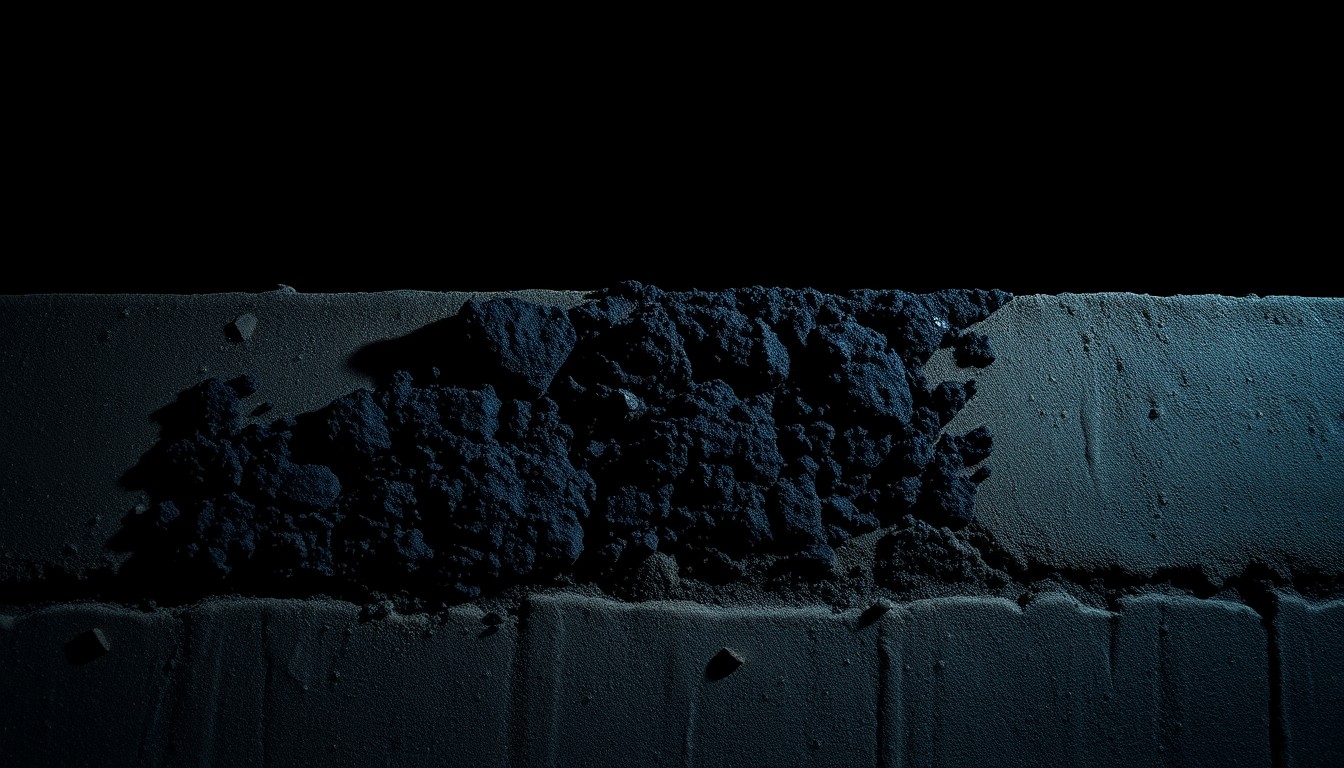 A harsh, unforgiving flash illuminates the toxic black mold that has allegedly infested Michigan's only women's prison, endangering the health of vulnerable inmates.Ypsilanti Today
State lawmakers, criminal justice reform activists, and supporters are pleading with Michigan Governor Gretchen Whitmer to grant medical clemency to Krystal Clark, an inmate at Women's Huron Valley Prison who is showing signs of a fungal infection caused by black mold inside the facility. Supporters say Clark may not live long enough to see her parole date next year.
Why it matters
This case highlights ongoing concerns about the health and safety conditions in Michigan's prisons, particularly for women inmates. The allegations of black mold, inadequate medical care, and retaliation against those who speak out raise serious questions about the state's ability to properly care for its incarcerated population.
The details
Clark is serving time for home invasion, assault, and armed robbery. Her supporters claim she was wrongfully convicted. An infectious disease doctor has documented that Clark is showing signs of a fungal infection, and they fear she may not survive if she remains in the prison. State Rep. Dylan Wegela said he saw plenty of mold during a recent visit to the facility, despite the Michigan Department of Corrections denying the allegations of dangerous mold.
- In February 2026, whistleblower testimony before state lawmakers described black mold infestation, inadequate medical care, drug trafficking, recorded strip searches, and retaliation against inmates who speak out at the Women's Huron Valley Correctional Facility.
- Krystal Clark is set to be paroled in 2027.
The players
Krystal Clark
An inmate at Women's Huron Valley Prison who is showing signs of a fungal infection caused by black mold inside the facility and may not live long enough to see her parole date next year.
Gov. Gretchen Whitmer
The governor of Michigan who supporters are urging to grant medical clemency to Krystal Clark.
Trische Duckworth
A criminal justice reform activist who is pleading with Gov. Whitmer to address the crisis at the prison.
Jay Love
A supporter who says Clark's infectious disease specialist has documented that she could die if she doesn't leave the prison.
Dylan Wegela
A state representative who said he saw plenty of mold during a recent visit to the Women's Huron Valley Correctional Facility.
What they’re saying
“Governor Whitmer, we are asking you to step in, to use your authority, your voice, and your leadership to address this crisis now.”
— Trische Duckworth, Criminal justice reform activist
“Dr. Bet, who is her specialist, infectious disease specialist, has documented and said that if she doesn't leave that place, she could die.”
— Jay Love, Supporter
“While I was at WHV, I was told repeatedly by leadership that they have never seen mold in this facility, a claim that was made despite the well-documented instances over the last several years, a claim that was made repeatedly, even while I was visiting, pointing out several locations where there was active growth occurring.”
— Dylan Wegela, State Representative
What’s next
The governor's office has declined to comment on the clemency request for Krystal Clark. The Michigan Department of Corrections has denied the allegations of dangerous mold in the prison, but supporters continue to push for action to address the health concerns.
The takeaway
This case highlights the ongoing challenges in ensuring the health and safety of incarcerated individuals, particularly women, in Michigan's prison system. It raises questions about transparency, accountability, and the state's ability to properly care for its incarcerated population.