- Today
- Holidays
- Birthdays
- Reminders
- Cities
- Atlanta
- Austin
- Baltimore
- Berwyn
- Beverly Hills
- Birmingham
- Boston
- Brooklyn
- Buffalo
- Charlotte
- Chicago
- Cincinnati
- Cleveland
- Columbus
- Dallas
- Denver
- Detroit
- Fort Worth
- Houston
- Indianapolis
- Knoxville
- Las Vegas
- Los Angeles
- Louisville
- Madison
- Memphis
- Miami
- Milwaukee
- Minneapolis
- Nashville
- New Orleans
- New York
- Omaha
- Orlando
- Philadelphia
- Phoenix
- Pittsburgh
- Portland
- Raleigh
- Richmond
- Rutherford
- Sacramento
- Salt Lake City
- San Antonio
- San Diego
- San Francisco
- San Jose
- Seattle
- Tampa
- Tucson
- Washington
Westland Today
By the People, for the People
Michigan Bakery's 'Creepy' Lamb Cake Goes Viral
Homestead Kitchen Artisan Cakery's April Fool's joke backfired as customers demanded the unsettling dessert.
Apr. 7, 2026 at 4:21pm
Got story updates? Submit your updates here. ›
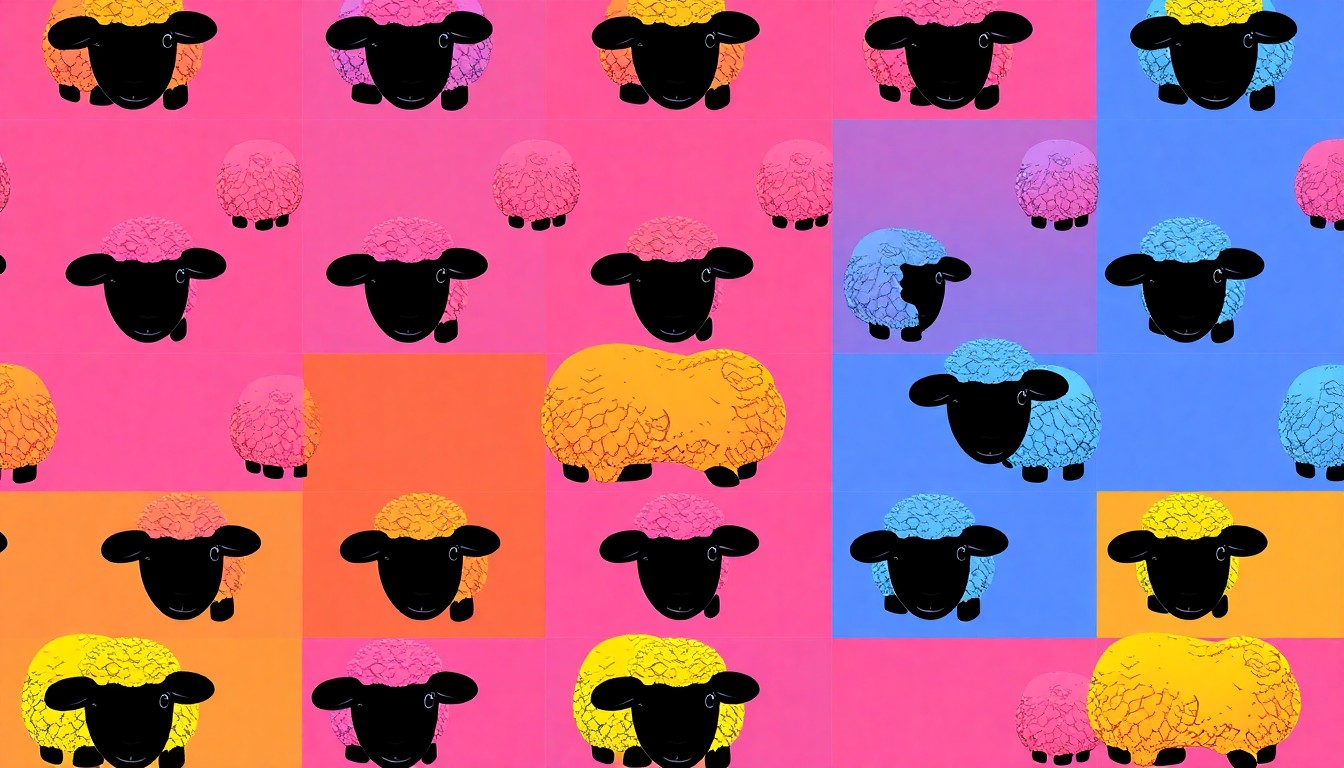 A Michigan bakery's viral prank on an 'ugly' lamb cake led to unexpected customer demand for the unsettling dessert.Westland Today
A Michigan bakery's attempt at an April Fool's joke by posting an AI-generated image of a 'creepy' lamb-shaped cake went viral, leading to unexpected customer demand for the unsettling dessert. Homestead Kitchen Artisan Cakery in Westland, Michigan, ended up creating a real-life version of the fictional cake and selling out of the unusual treats.
Why it matters
The bakery's viral prank highlights how social media can unexpectedly amplify even the most unintentional marketing efforts, leading to both positive and negative reactions from customers. It also showcases the growing influence of AI-generated content and how it can be used to create both realistic and fantastical food items.
The details
Homestead Kitchen Artisan Cakery, a bakery specializing in wedding cakes and other treats, posted an AI-generated image of a 'lamb cake' on Instagram as an April Fool's joke. The image depicted a bug-eyed, buck-toothed cake covered in brownish-gray frosting that the bakery admitted looked 'creepy.' While most of the bakery's regular followers recognized it as a prank, the post went viral and the bakery started receiving negative reactions from the broader community. However, the bakery also began receiving requests for the ugly cake. Homestead Kitchen then created a real-life version of the fictional cake, which they were able to sell out of despite not originally intending to offer the unsettling dessert.
- On April 1, 2026, Homestead Kitchen Artisan Cakery posted the AI-generated image of the 'creepy' lamb cake as an April Fool's joke.
- The next day, the bakery posted an explanation that the lamb cake was just a prank.
The players
Homestead Kitchen Artisan Cakery
A Michigan bakery that specializes in wedding cakes, cinnamon rolls, cookies, and other treats. The bakery is known for offering seasonal desserts like a spring stump cake and a rabbit-eared bunny cake.
Trina Staats
An employee at Homestead Kitchen Artisan Cakery who spoke to SavorNation about the bakery's viral 'creepy' lamb cake prank.
What they’re saying
“Most people knew right away that it was a joke, especially our followers. They knew we take cake art very seriously and create high quality designs.”
— Trina Staats, Employee, Homestead Kitchen Artisan Cakery
“When the post began going viral and the local community started seeing it in their feed, we began to get some negative reactions.”
— Trina Staats, Employee, Homestead Kitchen Artisan Cakery
“We had several orders placed and others were lucky to score one from the case. Some customers came to the store looking for them and were disappointed when we sold out.”
— Trina Staats, Employee, Homestead Kitchen Artisan Cakery
What’s next
Homestead Kitchen Artisan Cakery plans to 'resurrect' the ugly lamb cake in 2027 and be better prepared for the demand next time.
The takeaway
This case highlights how even unintentional marketing efforts on social media can unexpectedly go viral, leading to both positive and negative reactions from customers. It also showcases the growing influence of AI-generated content in the food industry and how it can be used to create both realistic and fantastical desserts.