- Today
- Holidays
- Birthdays
- Reminders
- Cities
- Atlanta
- Austin
- Baltimore
- Berwyn
- Beverly Hills
- Birmingham
- Boston
- Brooklyn
- Buffalo
- Charlotte
- Chicago
- Cincinnati
- Cleveland
- Columbus
- Dallas
- Denver
- Detroit
- Fort Worth
- Houston
- Indianapolis
- Knoxville
- Las Vegas
- Los Angeles
- Louisville
- Madison
- Memphis
- Miami
- Milwaukee
- Minneapolis
- Nashville
- New Orleans
- New York
- Omaha
- Orlando
- Philadelphia
- Phoenix
- Pittsburgh
- Portland
- Raleigh
- Richmond
- Rutherford
- Sacramento
- Salt Lake City
- San Antonio
- San Diego
- San Francisco
- San Jose
- Seattle
- Tampa
- Tucson
- Washington
Royal Oak Today
By the People, for the People
Detroit Immigration Judge Speaks Out on Trump-Era Changes
Longtime judge David Paruch reveals how the administration's priorities shifted the role of the courts
Apr. 17, 2026 at 11:05pm
Got story updates? Submit your updates here. ›
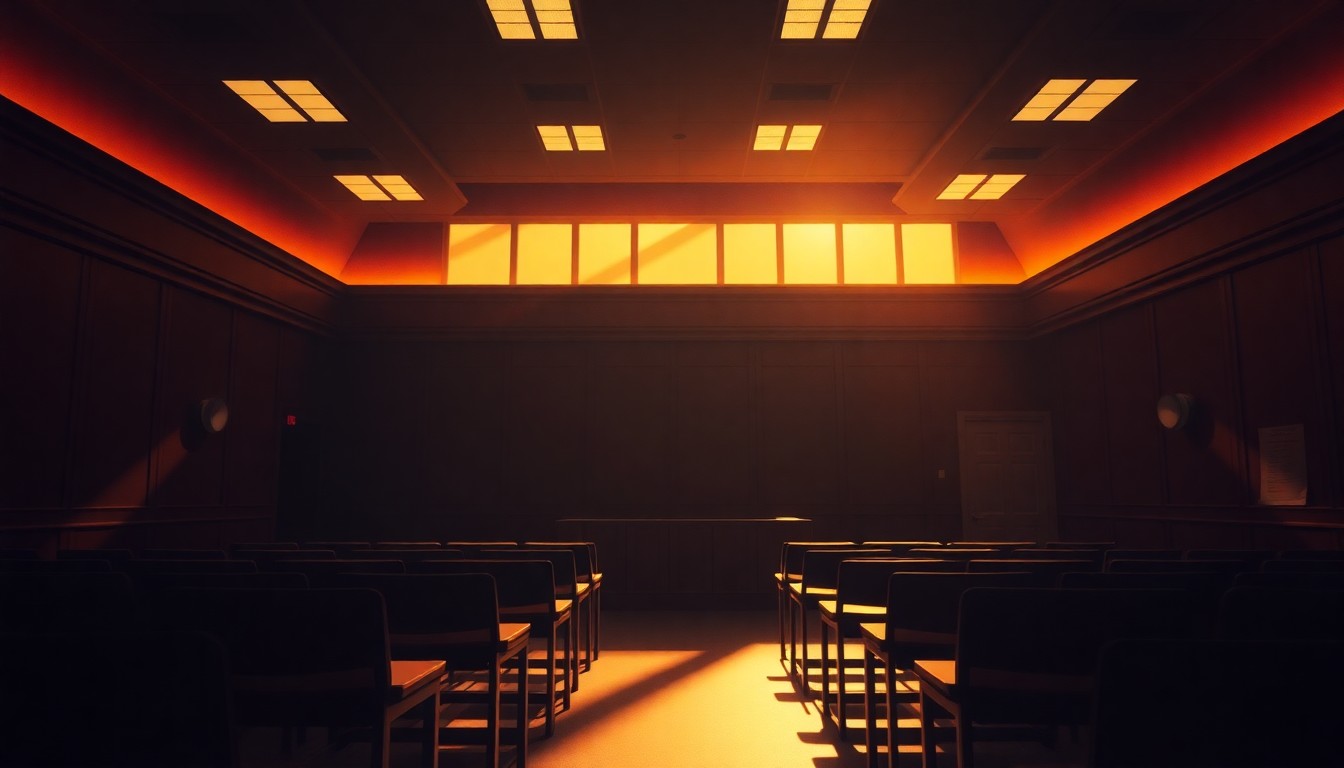 The tranquil yet somber mood of a deserted immigration courtroom reflects the profound changes that took place under the Trump administration, as judges like David Paruch grappled with new directives prioritizing deportations over due process.Royal Oak Today
After more than a decade presiding over Detroit's Immigration Court, Judge David Paruch wanted to retire in 2023. But when his wife fell ill, he stayed on the bench - only to face dramatic changes under the Trump administration's renewed focus on deportations. Paruch describes feeling 'outraged' by the pressure to prioritize removal orders over due process, leading to his ultimate decision to leave the bench.
Why it matters
Paruch's account provides a rare insider's view into how the Trump administration systematically reshaped the nation's immigration courts, replacing judges and changing leadership to drive up deportation rates. This shift away from impartial adjudication has had profound impacts on immigrants seeking asylum or other legal protections.
The details
When Donald Trump returned to the White House in 2025, Paruch said the 'mindset' in Washington changed, with a focus on 'just grind it out and deport them' rather than upholding due process. Agency leadership was replaced, case quotas increased, and Paruch felt pressure to rule against immigrants even when he believed they were legally entitled to relief. The administration touted the changes as an 'aggressive and successful immigration enforcement overhaul', but Paruch saw it as undermining the courts' role.
- In 2023, Paruch was ready to retire after over a decade on the Detroit Immigration Court bench.
- In 2025, the Trump administration returned to the White House and began reshaping the immigration courts.
- By the fall of 2025, Paruch could no longer tolerate the administration's priorities and decided to leave the bench.
The players
Judge David Paruch
A former immigration judge who served nearly 15 years on the bench in Detroit, Paruch felt the Trump administration's changes to the courts undermined due process and the impartial role of judges.
Pat Paruch
David Paruch's wife, a former mayor of Royal Oak, Michigan, who encouraged him to stay on the bench after her cancer diagnosis.
Donald Trump
The former president who returned to the White House in 2025 and initiated sweeping changes to the immigration court system, including replacing judges and prioritizing deportations.
Paulomi Dhokai
A spokesperson for the Executive Office of Immigration Review, the entity within the U.S. Department of Justice that oversees immigration courts.
Marie Celentino
The director of the Immigration Law Clinic at the University of Detroit Mercy School of Law, who corroborated Paruch's assessment of the administration's approach.
What they’re saying
“I had perceived that the mindset of the people in Washington was no longer due process and respect for the parties, but just grind it out and deport them.”
— Judge David Paruch, Former Immigration Judge
“The government isn't exactly being subtle. Since the current administration took office, the Board of Immigration Appeals has ruled in the government's favor in almost every published case.”
— Marie Celentino, Director, Immigration Law Clinic, University of Detroit Mercy School of Law
What’s next
The judge in the case will decide on Tuesday whether or not to allow Walker Reed Quinn out on bail.
The takeaway
This case highlights growing concerns in the community about repeat offenders released on bail, raising questions about bail reform, public safety on SF streets, and if any special laws to govern autonomous vehicles in residential and commercial areas.