- Today
- Holidays
- Birthdays
- Reminders
- Cities
- Atlanta
- Austin
- Baltimore
- Berwyn
- Beverly Hills
- Birmingham
- Boston
- Brooklyn
- Buffalo
- Charlotte
- Chicago
- Cincinnati
- Cleveland
- Columbus
- Dallas
- Denver
- Detroit
- Fort Worth
- Houston
- Indianapolis
- Knoxville
- Las Vegas
- Los Angeles
- Louisville
- Madison
- Memphis
- Miami
- Milwaukee
- Minneapolis
- Nashville
- New Orleans
- New York
- Omaha
- Orlando
- Philadelphia
- Phoenix
- Pittsburgh
- Portland
- Raleigh
- Richmond
- Rutherford
- Sacramento
- Salt Lake City
- San Antonio
- San Diego
- San Francisco
- San Jose
- Seattle
- Tampa
- Tucson
- Washington
Rochester Today
By the People, for the People
Mayo Clinic Unveils Protein ID Technique for Transplants
New method ranks proteins by their ability to trigger immune responses, with implications for regenerative medicine and transplantation.
Apr. 7, 2026 at 2:30am
Got story updates? Submit your updates here. ›
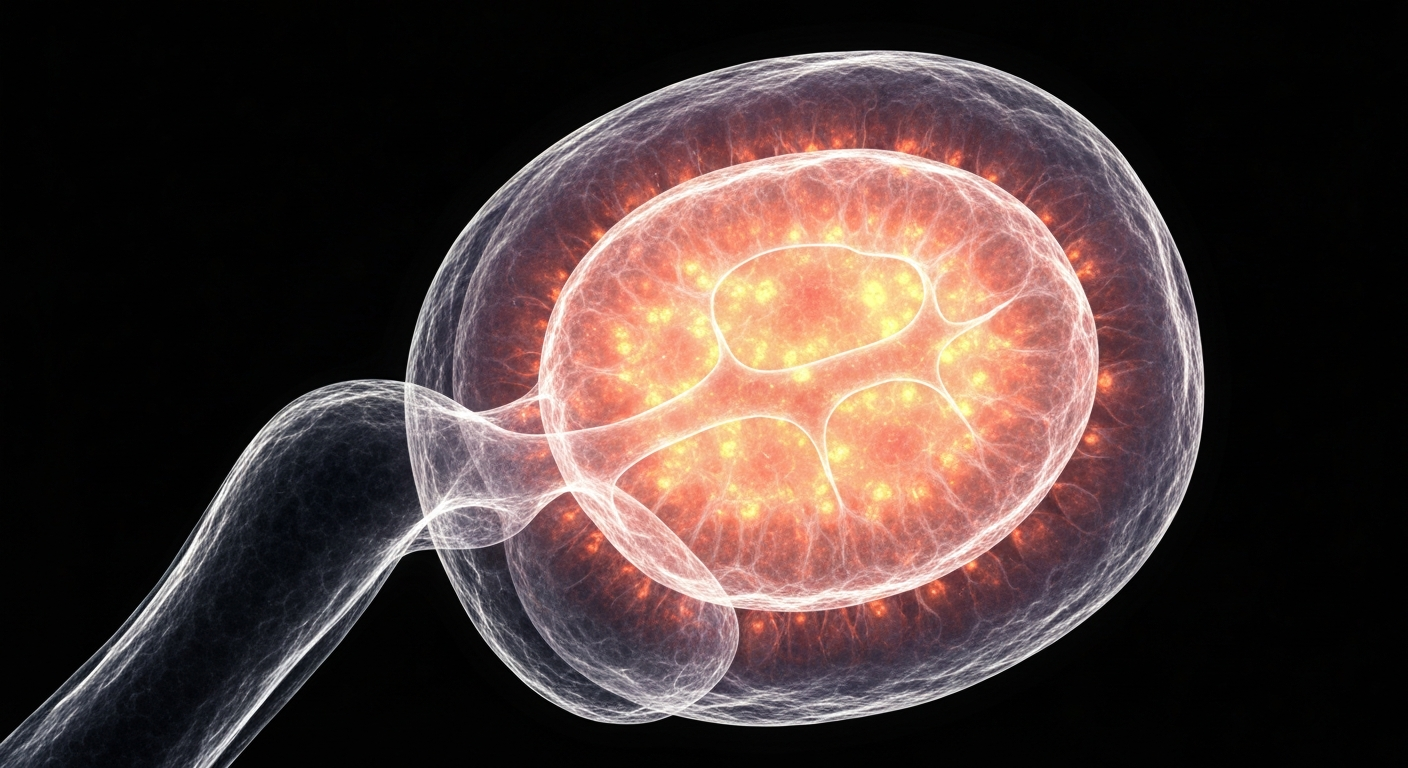 A groundbreaking new technique from Mayo Clinic sheds light on the proteins that most strongly activate the immune system, with implications for advancing regenerative medicine and transplant therapies.Rochester Today
Mayo Clinic researchers have developed a new technique to identify which proteins are most likely to trigger an immune response, a discovery that could help improve transplant care, regenerative medicine, and other areas where the immune system plays a critical role. The approach combines measurements of protein abundance and immune activation to rank proteins from most to least immunogenic, revealing patterns that had not been clearly recognized before, including the finding that mitochondrial proteins are far more likely to evoke strong immune responses than proteins from other parts of the cell.
Why it matters
This new technique fills a critical gap in knowledge by providing a better understanding of which specific proteins are most likely to cause harmful immune reactions, which is crucial for developing safer and more effective regenerative therapies and implants. The insights could also help guide more targeted therapies in organ transplantation, infectious diseases, and cancer biology.
The details
The researchers' approach, called the Ratio of Immunogenicity (ROI), combines measurements of how much of each protein is present and how strongly it activates the immune system. Applying this across hundreds of proteins revealed that mitochondrial proteins, which likely evolved from ancient bacteria, are far more immunogenic than proteins from other parts of the cell, accounting for more than a quarter of the most immunogenic proteins identified. The team says this is because the body may still recognize mitochondria as foreign since they are normally hidden inside cells.
- The study results were published in the journal Biomaterials on April 7, 2026.
The players
Leigh Griffiths
A senior author of the study and a researcher at Mayo Clinic.
Mayo Clinic
A nonprofit organization committed to clinical practice, education, and research, where the new protein identification technique was developed.
What they’re saying
“Some proteins can trigger a very strong response even when only tiny amounts remain, while others are much less troublesome. That gives us a much clearer roadmap for designing safer, more durable biomaterials.”
— Leigh Griffiths, Senior author of the study and researcher at Mayo Clinic
“We think the body has never fully accepted mitochondria as part of itself — they're normally hidden inside the cell, and when they're exposed, the immune system may still recognize them as foreign.”
— Leigh Griffiths, Senior author of the study and researcher at Mayo Clinic
What’s next
The researchers say the same protein identification strategy could help identify the most important immune targets in organ transplantation, infectious diseases, and cancer biology. Dr. Griffiths' laboratory is already using these insights to refine engineered tissues intended for clinical use, with the goal of removing the proteins most likely to cause harmful immune reactions while preserving the structure needed for healing and integration.
The takeaway
This new technique provides a much clearer understanding of which specific proteins are most likely to trigger harmful immune responses, which is crucial for developing safer and more effective regenerative therapies and implants. The insights could also guide more targeted therapies in other areas where the immune system plays a critical role, such as organ transplantation, infectious diseases, and cancer biology.