- Today
- Holidays
- Birthdays
- Reminders
- Cities
- Atlanta
- Austin
- Baltimore
- Berwyn
- Beverly Hills
- Birmingham
- Boston
- Brooklyn
- Buffalo
- Charlotte
- Chicago
- Cincinnati
- Cleveland
- Columbus
- Dallas
- Denver
- Detroit
- Fort Worth
- Houston
- Indianapolis
- Knoxville
- Las Vegas
- Los Angeles
- Louisville
- Madison
- Memphis
- Miami
- Milwaukee
- Minneapolis
- Nashville
- New Orleans
- New York
- Omaha
- Orlando
- Philadelphia
- Phoenix
- Pittsburgh
- Portland
- Raleigh
- Richmond
- Rutherford
- Sacramento
- Salt Lake City
- San Antonio
- San Diego
- San Francisco
- San Jose
- Seattle
- Tampa
- Tucson
- Washington
Manistique Today
By the People, for the People
Schoolcraft Memorial Hospital Buys Chest Compression Devices
New LUCAS devices strengthen emergency response in rural Michigan community.
Apr. 13, 2026 at 4:20am
Got story updates? Submit your updates here. ›
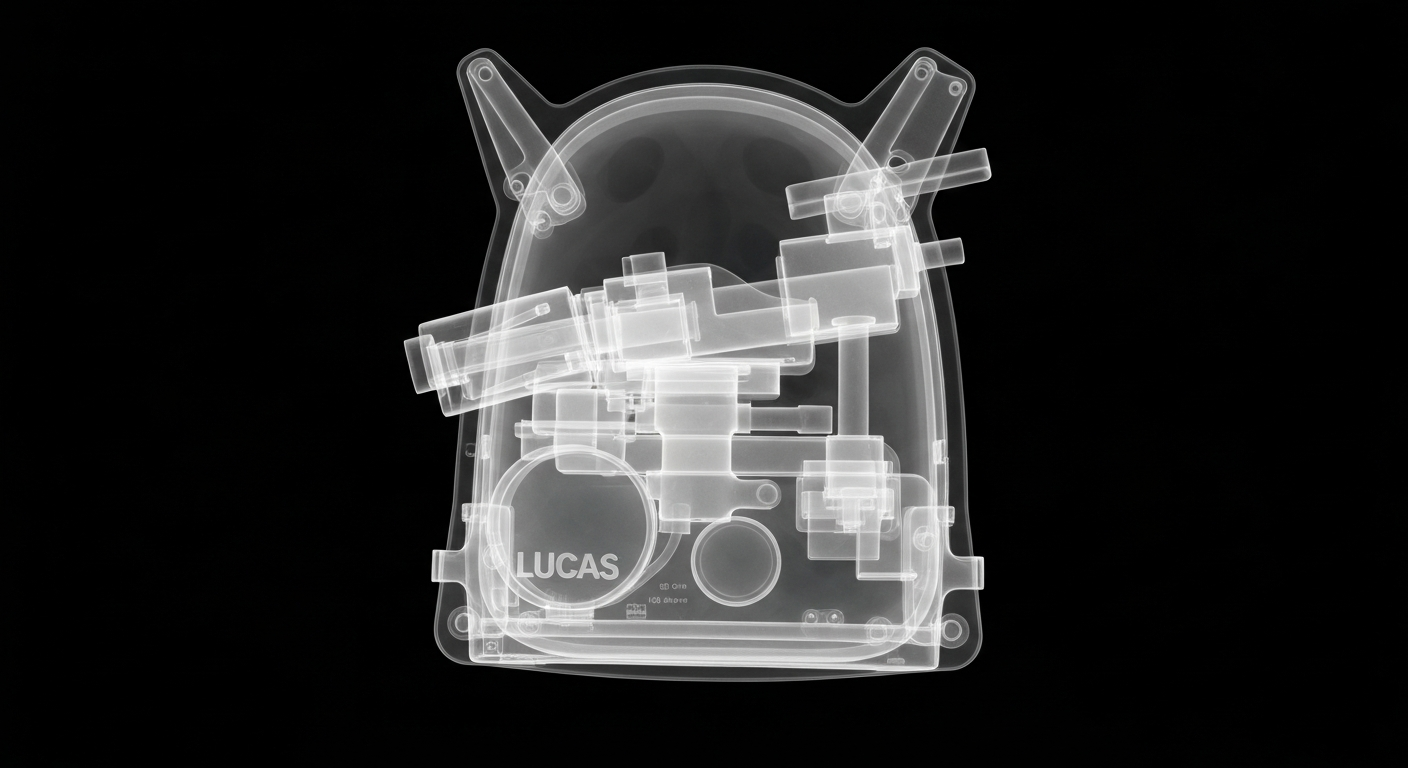 The LUCAS mechanical chest compression device, which will enhance emergency response capabilities at Schoolcraft Memorial Hospital and in the surrounding rural community.Manistique Today
Schoolcraft Memorial Hospital in Manistique, Michigan has purchased two LUCAS mechanical chest compression devices to enhance emergency care capabilities both within the hospital and across the local EMS system. The LUCAS devices automate high-quality CPR, allowing medical teams to focus on other critical interventions during cardiac emergencies.
Why it matters
In rural areas like Schoolcraft County, emergency response can be challenged by factors like long distances, staffing shortages, and limited resources. The LUCAS devices help address these issues by providing consistent, uninterrupted chest compressions to improve patient outcomes, while freeing up personnel to perform other life-saving tasks.
The details
One LUCAS device will be stationed in the SMH emergency department, while the second will be placed on a local Manistique EMS ambulance. This strategic placement reflects a strong partnership between the hospital and EMS providers to ensure continuity of care from the initial emergency response through transport and into the hospital setting. The LUCAS devices represent a total investment of $26,836.12, made possible through hospital funds and community support.
- The LUCAS devices were purchased and announced on April 13, 2026.
The players
Schoolcraft Memorial Hospital
A rural hospital serving Schoolcraft County, Michigan, which has purchased the LUCAS chest compression devices to enhance emergency response capabilities.
Manistique EMS
The local emergency medical services provider that will have one of the LUCAS devices stationed on an ambulance, strengthening the partnership between the hospital and EMS.
Robert Mach
The CEO of Schoolcraft Memorial Hospital, who emphasized how the LUCAS devices will improve the hospital's ability to deliver life-saving care in rural emergencies.
Timothy Russell
The Director of Manistique Public Safety, who highlighted how the LUCAS device will reduce rescuer fatigue, enable safer patient transport, and free up personnel to perform other crucial tasks.
Sault Tribe of Chippewa Indians
The Native American tribe that provided $8,242.81 in funding for the LUCAS devices through their 2% Fund.
Superior Health Foundation
The local health foundation that contributed $7,500 to the LUCAS device purchase through their Equipment Fund.
What they’re saying
“In rural emergencies, where time, distance and staffing matter, this technology strengthens our ability to deliver life-saving care.”
— Robert Mach, CEO, Schoolcraft Memorial Hospital
“The Lucas device will be a welcomed addition to the capabilities already offered by Manistique EMS. The Lucas device will reduce rescuer fatigue, enable safer transport of the patient, and free up personnel to perform other crucial, lifesaving tasks.”
— Timothy Russell, Director of Manistique Public Safety
What’s next
Schoolcraft Memorial Hospital and Manistique EMS will work together to train staff on the proper use and maintenance of the new LUCAS devices, ensuring they are ready for deployment in emergency situations.
The takeaway
The investment in LUCAS chest compression devices by Schoolcraft Memorial Hospital and its community partners demonstrates a commitment to enhancing emergency response capabilities in rural areas, where factors like distance and staffing shortages can pose unique challenges. By automating high-quality CPR, these devices free up medical personnel to focus on other critical interventions, ultimately improving patient outcomes during cardiac emergencies.